
Why Choosing the Right Approach Matters for Your Exterior Paint Job
Painting your house exterior is one of the most impactful home improvements you can make. A fresh coat of paint boosts curb appeal and serves as your home’s first line of defense against weather, UV radiation, and moisture damage.
Quick Decision Guide:
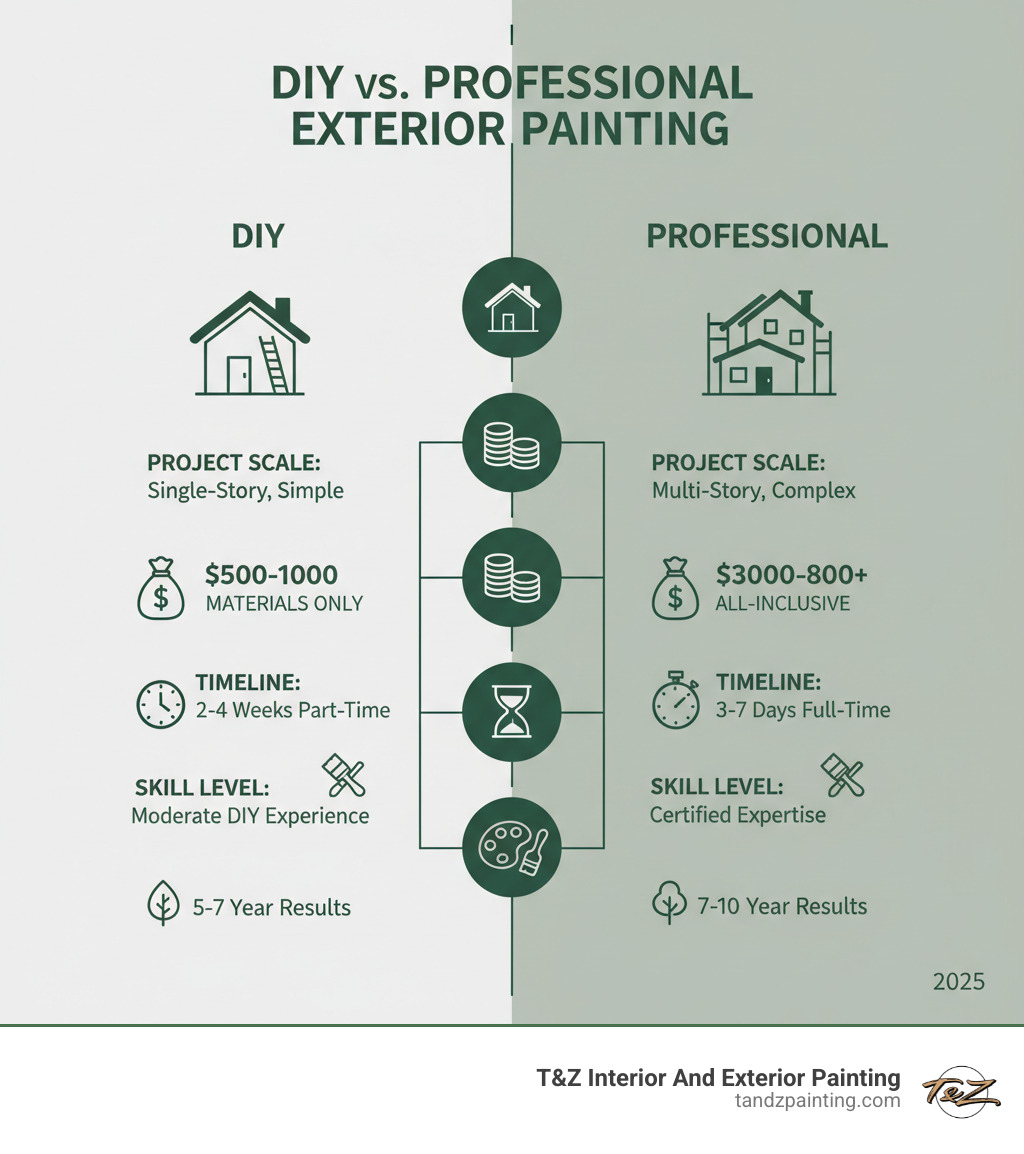
- Choose DIY if you have a single-story home, moderate skills, a flexible timeline (2-4 weeks), and a budget of $500-$1,000 for materials.
- Hire a Professional if you have a multi-story home, complex architecture, a tight deadline, suspected lead paint (pre-1978 homes), or a budget of $3,000-$8,000+ for guaranteed quality.
- Key Factors: Project scale, your skill level, available time, budget, and desired longevity (professional jobs typically last 7-10 years vs. 5-7 for DIY).
A quality exterior paint job can last 7-10 years, but poor preparation or improper technique can cut that lifespan in half, leading to peeling, blistering, and costly repairs.
The key decision isn’t whether to paint, but whether to tackle this substantial project yourself or hire experienced professionals. DIY offers significant cost savings and personal satisfaction but demands considerable time and effort. Professional painting provides expertise, efficiency, and warranties for a higher upfront investment.
This guide breaks down both approaches so you can make an informed decision based on your home’s needs, your capabilities, and your priorities.
The DIY Approach: A Comprehensive Guide
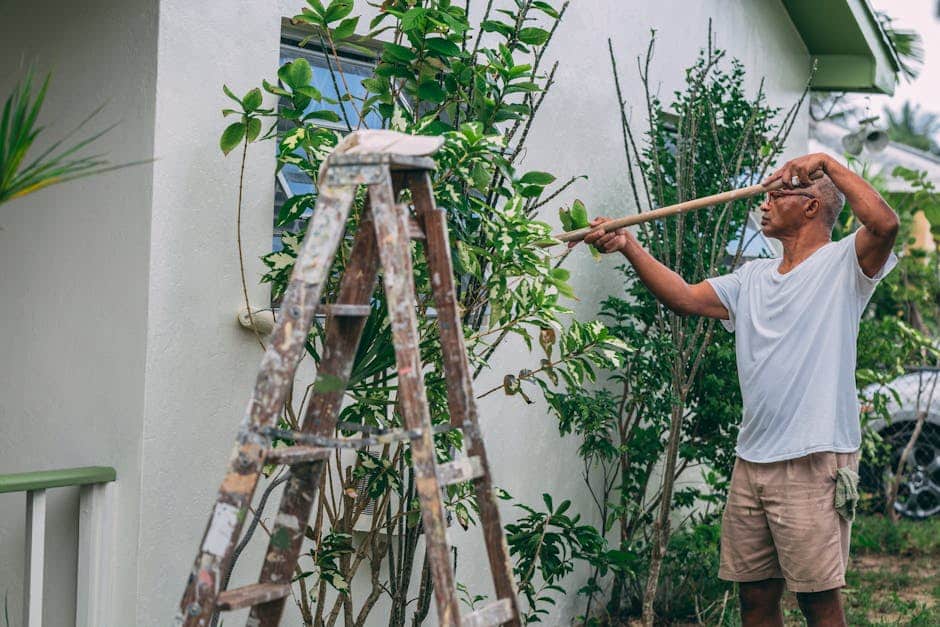
Thinking about tackling this project yourself? When you paint outside of house on your own, you save money and gain a sense of accomplishment. However, be prepared for a significant commitment. This isn’t a weekend project; expect it to take 2-4 weeks of part-time work. The physical demands are real, involving climbing ladders, scrubbing, and hours of painting.
Budget-wise, you’ll need $500 to $1,000 for materials. A key tip: investing in higher-quality paint pays off with better durability, appearance, and easier application.
Key Steps for a DIY Project to paint outside of house
Proper preparation is 70-80% of the job and is the key to a long-lasting finish. Paint needs a clean, dry, and sound surface to adhere properly.
-
Cleaning: Start by cleaning the exterior to remove dirt, grime, and mildew. A pressure washer is efficient, but a garden hose, scrub brush, and a cleaning solution (like TSP or a bleach/water mix) also work well. For a visual guide, see this video on How to Pressure-Wash a House. Allow all surfaces to dry completely.
-
Scraping and Sanding: Use a scraper or wire brush to remove all loose and flaking paint. Then, sand the surface to smooth rough spots and feather the edges between old paint and bare areas. This ensures a seamless finish. If you’re new to sanding, this video on How Do I Use Sandpaper? is a helpful resource.
-
Damage Repair: Inspect for and repair any cracks, holes, or rotten wood using exterior-grade fillers or epoxies. If you find moisture damage, address the source of the leak before patching.
-
Caulking: Apply a high-quality, paintable exterior caulk to seal gaps around windows, doors, and trim to block moisture and create clean paint lines.
-
Priming: Priming is essential for bare wood, heavily repaired areas, or when making a drastic color change. A quality exterior primer ensures better adhesion and prevents stains from bleeding through.
-
Protection: Before painting, cover plants and landscaping with drop cloths. Use painter’s tape to protect windows, doors, and trim for crisp lines.
Essential Tools and Supplies
Having the right tools is crucial. You’ll need paint brushes for trim, rollers for large surfaces, and a paint sprayer (optional) for efficiency. Ladders or scaffolding are necessary for reaching high areas; always follow ladder safety guidelines. Other essentials include drop cloths, painter’s tape, scrapers, sandpaper, a caulk gun, and cleaning supplies. Don’t forget safety gear: glasses, gloves, a dust mask, and non-slip shoes.
Common DIY Pitfalls and How to Avoid Them
- Poor Preparation: Rushing the prep stages will cause your paint to fail quickly. Dedicate the majority of your time to cleaning, scraping, and repairing.
- Ignoring Weather: Avoid painting in direct sunlight, high humidity, or when rain is forecast. Ideal conditions are between 50-85°F with low humidity.
- Wrong Paint Type: Always use high-quality exterior-grade paint formulated for your specific siding material and climate.
- Lap Marks and Uneven Coverage: To avoid these, maintain a wet edge as you work and paint in manageable sections from top to bottom.
- Peeling and Blistering: This usually indicates moisture issues or poor adhesion. Ensure surfaces are completely clean and dry before painting.
- Safety Risks: Ladder falls are a serious risk. If your home was built before 1978, be aware of potential lead paint hazards. Test for lead with an EPA-recognized lead test kit and follow lead-safe work practices, or hire a certified pro.
The Professional Approach: When to Hire an Expert

Sometimes, the smartest move is to call in the experts. When you hire professional painters to paint outside of house, you’re getting more than just labor; you’re investing in expertise, specialized equipment, and the peace of mind that comes with insurance and liability coverage.
At T&Z Interior And Exterior Painting, our teams use top-brand materials and proven techniques to protect your investment and improve your home’s beauty. You can explore our comprehensive House Painting services to see what we offer.
Scenarios Where a Pro is Highly Recommended
Certain projects strongly call for professional expertise:
- Multi-story homes: Professionals have the training, equipment (scaffolding, tall ladders), and insurance to work safely at heights.
- Large or complex architecture: Intricate trim, multiple gables, or mixed siding materials require a level of skill and precision that pros can execute flawlessly and efficiently.
- Extensive prep work: If your home needs widespread scraping, sanding, or significant repairs, a professional crew has the tools and stamina to handle it correctly.
- Rotted wood repair: Pros can identify, repair, or replace rotted wood, ensuring a solid foundation for the new paint.
- Homes built before 1978: These homes may contain lead paint. Disturbing it creates hazardous dust. If you suspect lead, test for it with an EPA-recognized lead test kit. If lead is present, it’s safest to hire certified professionals who follow strict lead-safe work practices.
- Tight deadlines: A professional crew can complete a project in 3-7 days that might take a DIYer several weeks.
The Value of Professional Quality and Longevity
While hiring professionals costs more upfront, you’re investing in lasting results. Superior surface preparation is the cornerstone of a professional job, ensuring a finish that lasts 7-10 years. Pros use high-quality materials and expert application techniques to achieve a flawless, durable finish with no drips or streaks.
This meticulous approach translates to durability and longevity, saving you money over time by extending the life of your paint job. Most reputable painters, including our team, provide a warranty on their workmanship, protecting your investment. A professionally painted exterior also boosts curb appeal and can significantly increase your home’s value.
We invite you to view our work and see the quality we deliver throughout Lombard, Wheaton, Elmhurst, and surrounding areas. Our commitment is to stunning results and excellent customer service.
Key Project Decisions: Paint, Color, and Timing
Before you begin to paint outside of house, you need to make key decisions about paint, color, and timing. These choices will determine your home’s final look and the durability of the finish.
Choosing the Right Paint and Color to paint outside of house
Understanding paint basics makes the selection process easier.
-
Paint Type: Acrylic latex paint is the top choice for most exteriors. This water-based formula is flexible, durable, fade-resistant, and easy to clean up. It works well on wood, brick, fiber cement, and stucco. Oil-based paint is less common but offers a hard, durable finish ideal for high-traffic areas like porch floors and metal railings.
-
Paint Finish: The finish affects both look and durability. A flat or matte finish hides imperfections on siding but is harder to clean. A satin finish offers a slight sheen and a good balance of durability and flaw-hiding capability, making it a popular choice. Semi-gloss and glossy finishes are the most durable and washable, perfect for trim, doors, and shutters.
-
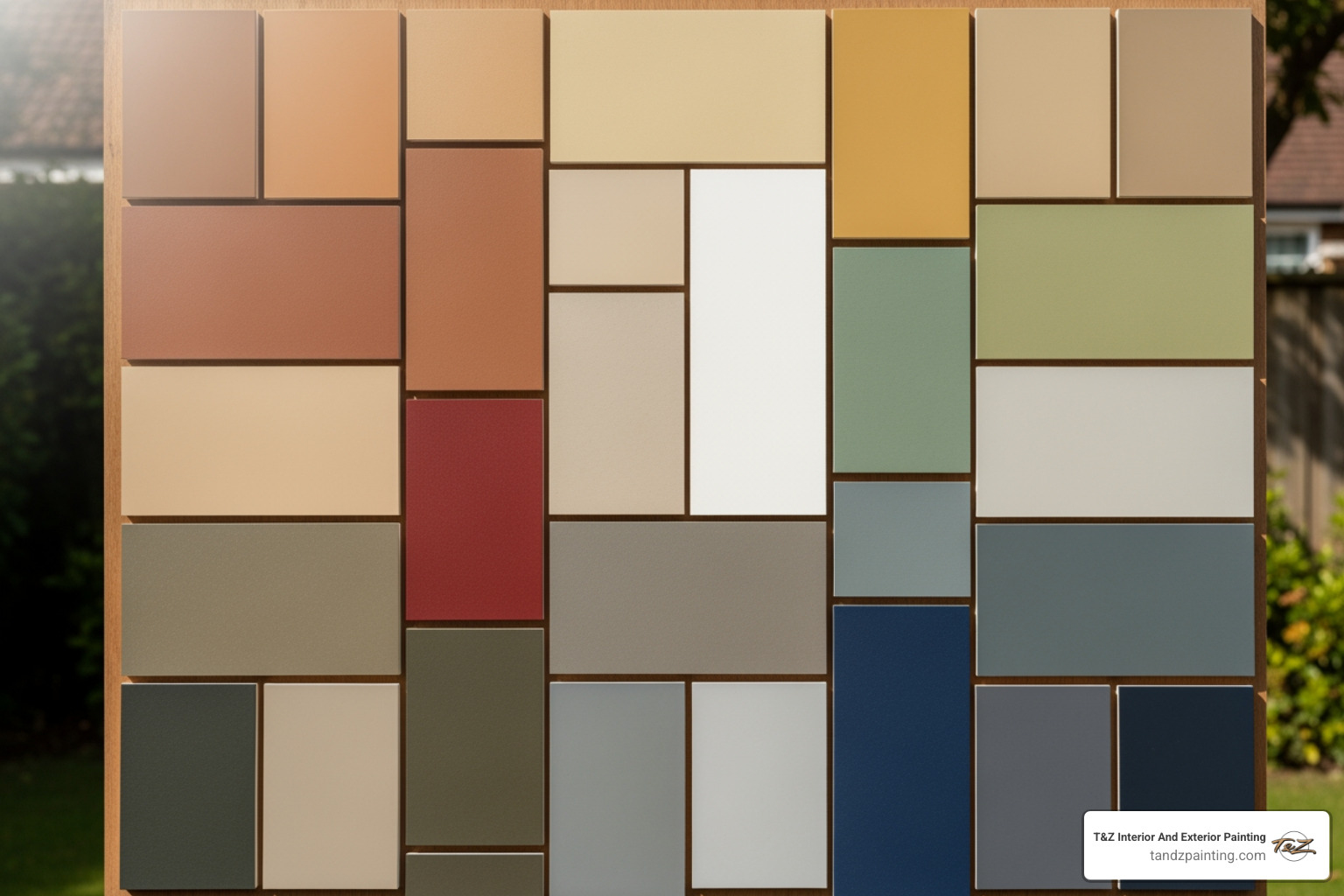
Color Selection: Consider your home’s architectural style, the colors in your neighborhood, and fixed elements like your roof or stonework. Your new colors should complement these existing features. For inspiration, check out our guide to Outside House Painting Colour Combinations.
When is the Best Time for Exterior Painting?
Weather is critical for a successful paint job. The wrong conditions can cause paint to fail.
-
Temperature: The ideal range is between 50 and 85 degrees Fahrenheit. Paint won’t cure properly in the cold and can dry too fast in extreme heat.
-
Humidity and Rain: Low humidity is best. Avoid painting if rain is in the forecast for at least 24 hours, as moisture can ruin a fresh coat of paint.
-
Sunlight: Avoid painting in direct, hot sunlight. It can cause the paint to dry too quickly, leaving lap marks. Follow the shade around your house as you work.
In the Lombard, Wheaton, and Elmhurst areas, spring and fall generally offer the best painting weather. For more detailed advice, read our article on When Is The Best Time To Paint The Exterior Of Your Home?.
DIY vs. Pro: A Head-to-Head Comparison to paint outside of house
When you’re ready to paint outside of house, the choice between DIY and hiring a pro involves clear trade-offs. Here’s how the two approaches compare.
| Factor | DIY Approach | Professional Approach |
|---|---|---|
| Cost | $500-$1,000 (materials only) | $3,000-$8,000+ (all-inclusive, includes labor, materials, equipment, insurance) |
| Time | 2-4 weeks (part-time, depending on home size and complexity) | 3-7 days (full-time, efficient completion) |
| Quality | Good, if meticulous with prep and application; potential for inconsistencies | Superior, flawless finish; even coverage, crisp lines, attention to detail |
| Safety | Higher risk, especially on multi-story homes or with lead paint | Trained, experienced, insured crew; proper safety equipment and protocols |
| Equipment | Purchase or rent basic tools; potential for inadequate specialized gear | Specialized, high-grade equipment (scaffolding, commercial sprayers, lead-safe tools) |
| Longevity | Typically 5-7 years (highly dependent on prep and paint quality) | 7-10 years (guaranteed by thorough prep, quality materials, and expert application) |
Cost Breakdown: Materials vs. Labor
The significant price difference is easier to understand when you break it down.
With a DIY project, your costs are primarily for materials. Paint, primer, brushes, rollers, caulk, and other supplies will typically total between $500 and $1,000. You may also need to rent or buy larger equipment like a pressure washer or paint sprayer.
With a professional service, the $3,000-$8,000+ quote is all-inclusive. It covers not just labor and high-quality materials but also commercial-grade equipment, comprehensive insurance, and guaranteed results. You’re paying for expertise, efficiency, and peace of mind.
While DIY saves money upfront, a longer-lasting professional job can offer better long-term value, especially when you factor in your own time and the potential cost of fixing mistakes.
Quality and Durability
Experience is often the deciding factor in the final quality of a paint job.
A DIY finish can be very good if you are patient and meticulous. However, achieving a perfectly smooth, even finish without lap marks or inconsistent textures can be challenging for an amateur.
Professional finish quality is consistently superior. Painters use proven techniques to create seamless, razor-sharp lines and a uniform finish that transforms a home’s curb appeal. This level of quality comes from years of daily practice.
Paint longevity is heavily influenced by the quality of the preparation and application. A professional job, with its meticulous prep and expert technique, is more likely to last the full 7-10 year lifespan. A DIY job may last 5-7 years, but that timeline can shorten if prep was rushed or conditions weren’t ideal. Many professional companies, like T&Z Interior And Exterior Painting, offer warranties, backing up the quality and durability of their work.
Frequently Asked Questions about Exterior Painting
How long does exterior paint last?
When you paint outside of house, you can typically expect the finish to last between 7 to 10 years. However, this lifespan depends on several factors:
- Paint Quality: High-quality paints with superior binders and pigments resist fading and wear better than budget options.
- Surface Preparation: A thoroughly cleaned, scraped, and primed surface is essential for long-term adhesion.
- Climate: Harsh weather, like the freezing winters and humid, sunny summers we see in areas like Lombard and Plainfield, can accelerate wear.
- Siding Material: Different materials like wood, fiber cement, or stucco hold paint differently and may require specific approaches.
- Maintenance: Gentle annual cleaning to remove dirt and mildew can significantly extend the life of your paint.
What are the most common exterior paint problems?
Understanding common paint problems can help you prevent them.
- Peeling and Blistering: This is usually caused by moisture trapped under the paint film or poor adhesion from inadequate surface prep. The underlying cause is almost always moisture or a dirty surface.
- Fading and Chalking: Fading is caused by UV sun exposure breaking down paint pigments. Chalking is when the paint binder deteriorates, leaving a powdery residue. Both are more common with lower-quality paints, and dark colors tend to fade faster.
- Mildew and Mold: These fungal growths appear as black or green spots in damp, shaded areas. They can be cleaned before painting with a bleach and water solution, and mildew-resistant paints can help prevent their return.
Most of these issues stem from moisture problems or inadequate preparation. Addressing the root cause is key to a lasting finish.
How do I test for lead paint?
If your home was built before 1978, you must test for lead paint before any scraping or sanding. Lead dust is a serious health hazard, especially for children.
You can use an [EPA-recognized lead test kit](https://www.epa.gov/lead/lead-test-kits) from a hardware store for a quick screening. For more definitive results, you can send a paint chip sample to an accredited lab for analysis.
If you find lead paint, stop. The safest course of action is to hire a lead-certified professional. They have the training and equipment to handle lead paint safely, following the [EPA's lead-safe work practices](https://www.epa.gov/lead/renovation-repair-and-painting-program-work-practices) to protect your family. While DIY is an option, the health risks associated with lead dust are significant, making professional remediation the strongly recommended choice.
At T&Z Interior And Exterior Painting, we prioritize your family’s safety and can guide you through the process of testing and proper, safe remediation.
Conclusion
Now comes the big question: should you paint outside of house yourself, or hire professionals? The right choice depends on your project’s scope, your skill level, and your budget.
DIY painting can be rewarding and cost-effective, but it’s a major commitment of time and physical effort. Rushing the process or skipping crucial prep work can lead to a finish that fails prematurely, forcing you to do it all over again.
Professional painting is an investment in expertise, efficiency, and peace of mind. For multi-story homes, complex architecture, or homes with lead paint, the pro route is the smart and safe choice. The superior quality and longevity of a professional paint job—often lasting 7-10 years or more—frequently justifies the upfront cost.
Your home’s exterior paint is a protective shield and a major factor in its value and curb appeal. For a flawless, durable finish without the hassle, consider a professional service. Our team at T&Z Interior And Exterior Painting serves Lombard, Wheaton, Elmhurst, and surrounding areas with a commitment to quality, using top-brand materials and experienced crews.
Ready to transform your home’s exterior? [Get a free estimate for your exterior painting project](https://tandzpainting.com/services/exterior-painting/) from T&Z Interior And Exterior Painting today.