
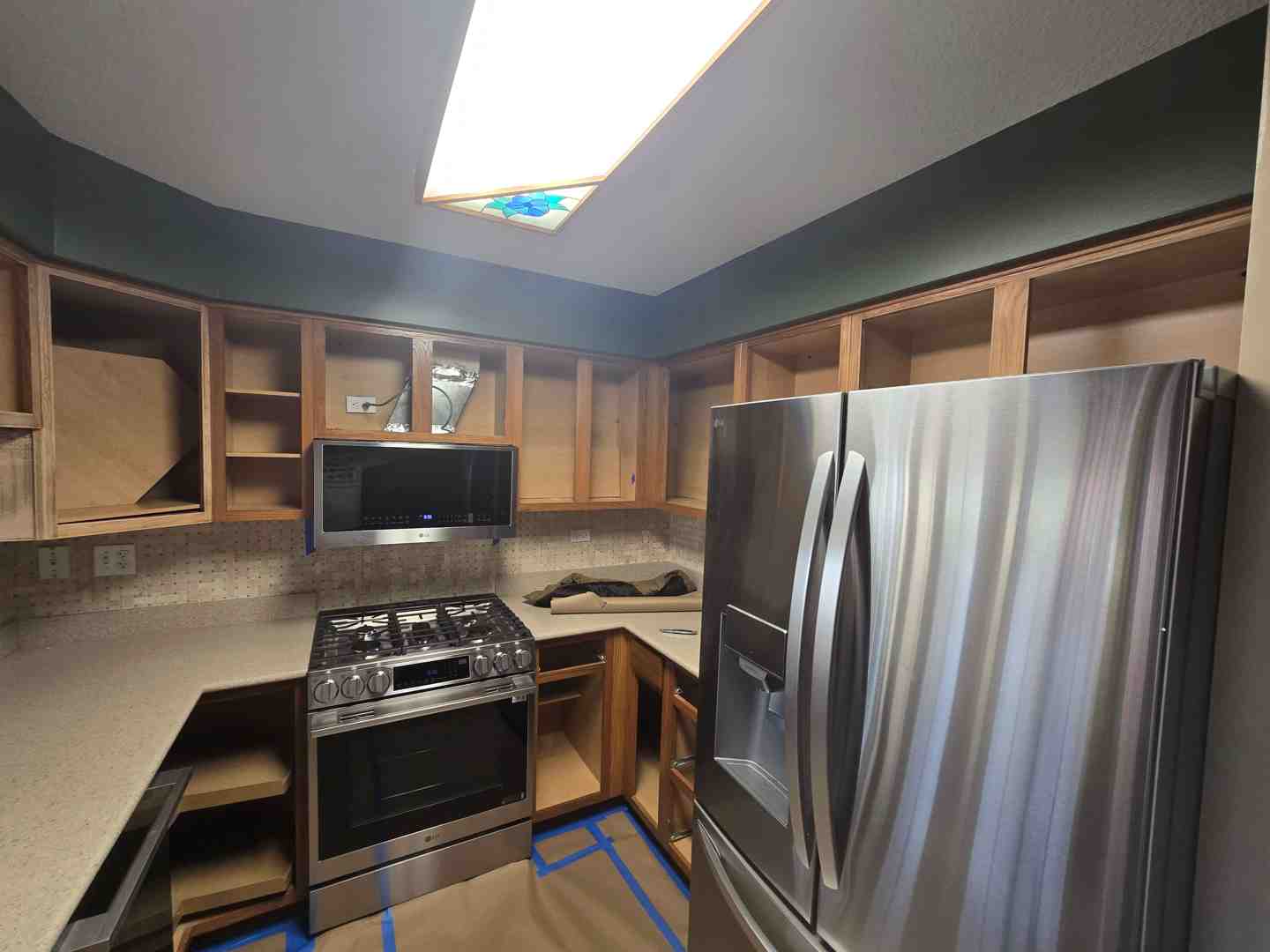
Transform Your Kitchen with a Fresh Coat of Paint
Painting gloss kitchen cabinets is absolutely possible and can give your kitchen a stunning, contemporary makeover without a complete renovation. Here’s what you need to know:
Quick Answer:
- Yes, you can paint gloss cabinets – but proper preparation is essential
- Sand the glossy surface to create “tooth” for paint adhesion (150-220 grit)
- Use a high-adhesion primer designed for glossy surfaces
- Apply multiple thin coats of quality cabinet paint (alkyd-acrylic enamel works best)
- Allow proper curing time – 24-48 hours between coats, 5-7 days for full cure
The key difference between painting gloss cabinets and other finishes? Gloss surfaces require more thorough sanding to remove the shiny finish that prevents paint from adhering properly. Skip this step, and you’ll face peeling paint within months.
Painting your kitchen cabinets is one of the most effective ways to refresh your space. It’s a great alternative to replacing cabinets entirely, and when done correctly, the results can last for years. The glossy finish you’re starting with actually indicates a durable surface – you’re just changing its color and refreshing its appearance.
I’m Tomasz Niemotko, and for over 13 years, I’ve been helping homeowners in Lombard and surrounding areas transform their kitchens through expert cabinet painting, including countless projects involving painting gloss kitchen cabinets where proper preparation made all the difference. Whether you tackle this as a DIY project or hire professionals, understanding the process ensures you get that factory-smooth finish you’re after.
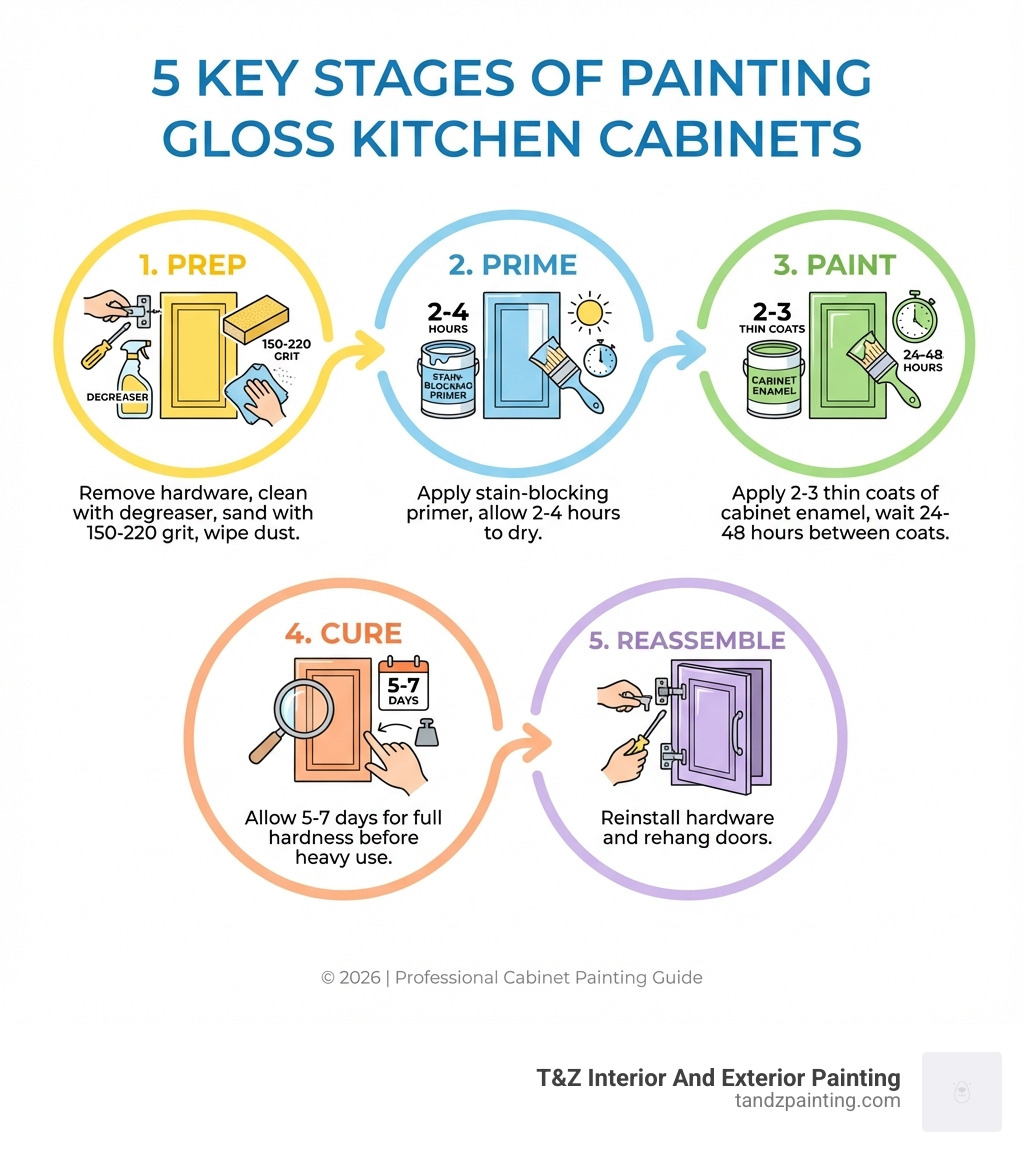
Painting gloss kitchen cabinets terms made easy:
Essential Prep: The Foundation for a Flawless Finish
We can’t stress this enough: preparation is the secret sauce to successful painting gloss kitchen cabinets. It’s what differentiates a lasting, beautiful finish from one that starts flaking off after a few months. While painting matte or wood cabinets also requires prep, gloss surfaces demand extra attention because of their inherent slickness.
Before we dive into the fun part of choosing colors, let’s talk about setting up our workspace and ensuring safety. If your home was built before 1978, there’s a possibility of lead-based paint, so take appropriate precautions like wearing a respirator and containing dust. For any painting project, good ventilation is key, so open windows and use fans.
Our first step is to completely empty the cabinets. Then, we carefully remove all cabinet doors, drawer fronts, and hardware—handles, knobs, and hinges. This allows us to paint every surface evenly and avoid painting over hardware. As we remove each piece, we label it clearly. A common trick is to use painter’s tape on the back of each door and drawer, numbering them according to their cabinet box location. We also bag and label all corresponding hardware. This organization makes reassembly a breeze later on.
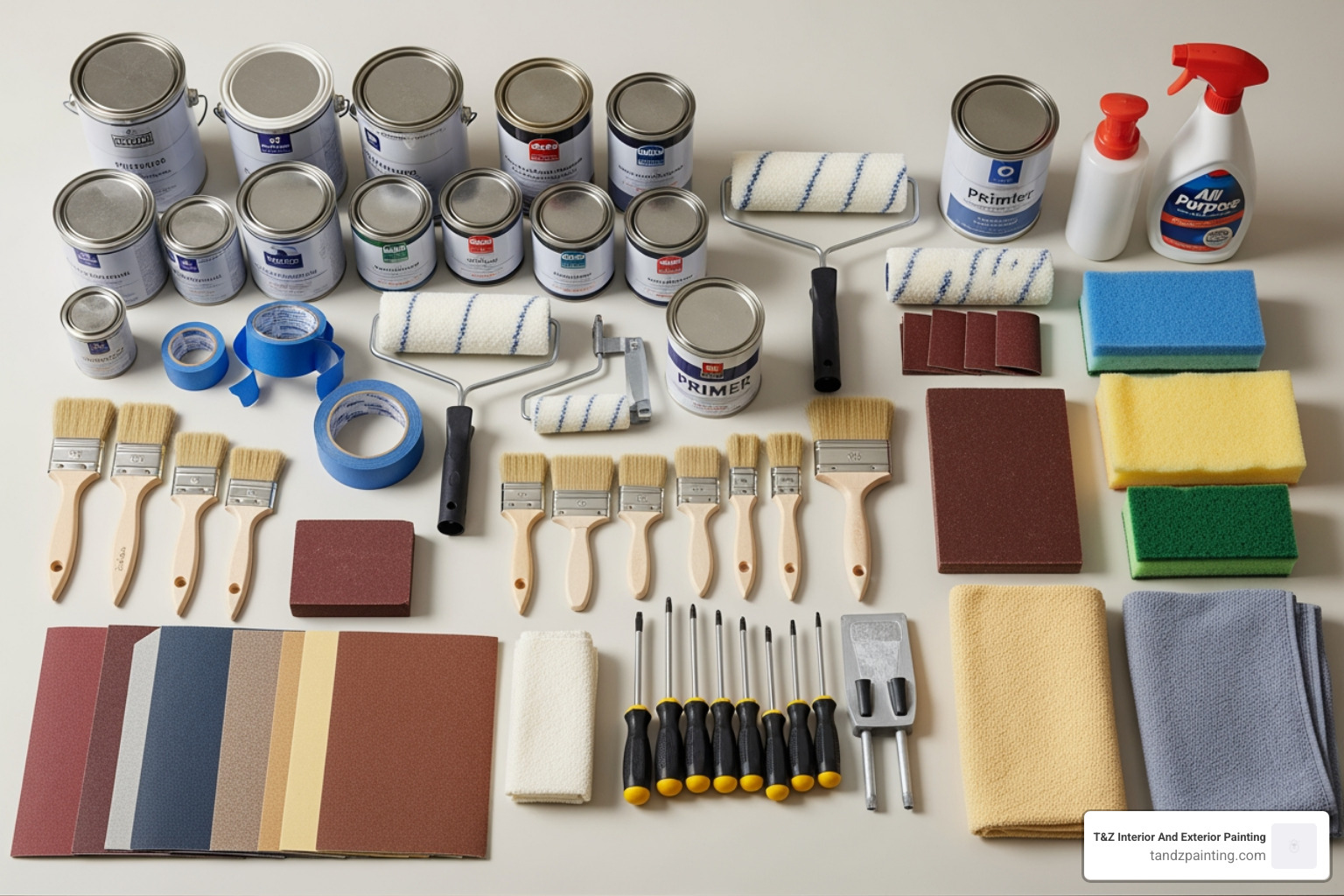
Tools and Materials You’ll Need
Having all your tools and materials ready before you start is crucial for a smooth process. Here’s what we recommend for painting gloss kitchen cabinets:
- Screwdriver: For removing hardware.
- Sugar Soap or Degreaser: Products like Krud Kutter or Zep Heavy-Duty Citrus Cleaner are excellent for cutting through kitchen grease.
- Rubber Gloves & Kitchen Scourer: For thorough cleaning.
- Sandpaper: We’ll need 100-150 grit for initial sanding, and finer 220-400 grit for sanding between coats. A sanding block can also be very helpful.
- Tack Cloth & Damp Cloths: For removing dust and debris.
- Painters Tripods: These lift doors and drawers off your work surface, making it easier to paint edges.
- Painter’s Tape: To protect surrounding areas like countertops and appliances.
- Drop Cloths or Plastic Sheeting: To protect floors and work surfaces. Tape & Drape is a great invention for this.
- High-Adhesion Primer: A stain-blocking, bonding primer is essential. Options include Zinsser B-I-N Primer Sealer, Benjamin Moore’s Fresh Start High-Hiding All-Purpose Primer, or Sherwin-Williams Extreme Bond Primer.
- Cabinet Paint: A high-quality alkyd-acrylic enamel is ideal. Brands like Dulux Cupboard paint, Zinsser AllCoat, Frenchic AlFresco, Benjamin Moore Advance Interior Paint, or Sherwin Williams ProClassic are good choices.
- High-Quality Angled Brush: For cutting in and detailed areas. We recommend high-quality brushes from brands like Purdy or Wooster. Arroworthy paint brushes are also a great option.
- Mini Foam Rollers: For large, flat surfaces. Use one for primer and a separate one for the top coat. Flocked foam rollers with rounded ends can help achieve a smooth finish.
- Paint Tray.
- Wood Filler/All-Purpose Filler: To fix any imperfections.
Key Preparation for Painting Gloss Kitchen Cabinets
Now that we have our tools, let’s get down to the meticulous work of preparing those glossy surfaces.
Cleaning and Degreasing: Kitchen cabinets, especially those near the stove, accumulate grease and grime. This oily film is paint’s worst enemy. We thoroughly clean all surfaces with sugar soap or a strong degreaser. Mix it according to the product’s instructions, don rubber gloves, and use a kitchen scourer for stubborn areas. Pay special attention to areas around handles, under cabinets, and the bottom edges of cupboard doors where grease tends to build up. After scrubbing, we rinse the surfaces with a clean, damp cloth to remove all soap residue and allow them to dry completely. Failure to remove oil stains will lead to paint failure.
Filling Imperfections: Even small dents, chips, or holes from old hardware can be noticeable under a fresh coat of paint. We use a good quality wood filler or all-purpose filler to fill any cracks, holes, or imperfections. Once dry, we sand these areas smooth, ensuring they are flush with the surrounding surface. For any gaps or seams, we apply caulk and smooth it out, allowing it to dry completely before proceeding.
The Importance of Sanding: This is arguably the most crucial step when painting gloss kitchen cabinets. Gloss finishes are incredibly smooth, which means paint has nothing to “grip” onto. We need to dull that shine.
Using 100-150 grit sandpaper, we lightly sand every inch of the cabinet surfaces, including the doors, drawer fronts, and cabinet frames. The goal isn’t to sand down to bare wood, but rather to create a “tooth” or slightly roughened surface. This texture allows the primer to adhere effectively. If you’re working with an open-grained finish like oak, a slightly heavier grit like 400-grit might be appropriate to ensure proper adhesion. Skipping this step is a common mistake that leads to paint peeling off quickly.
Wiping Away Dust: After all that sanding, there will be fine dust everywhere. This dust is another enemy of paint adhesion. We use a dry paintbrush to brush away loose dust, then follow up with a vacuum cleaner. Finally, and this is important, we wipe down all surfaces with a tack cloth or a slightly damp microfiber cloth to pick up any remaining fine particles. We allow the surfaces to dry completely before moving on to priming. Dust prevents primer from sticking properly and can result in a gritty, uneven finish.
The Step-by-Step Guide to Painting Gloss Kitchen Cabinets
With our meticulous preparation complete, we’re ready to bring color and new life to our kitchen. The key here is patience and applying thin, even coats to achieve that coveted factory-smooth finish.
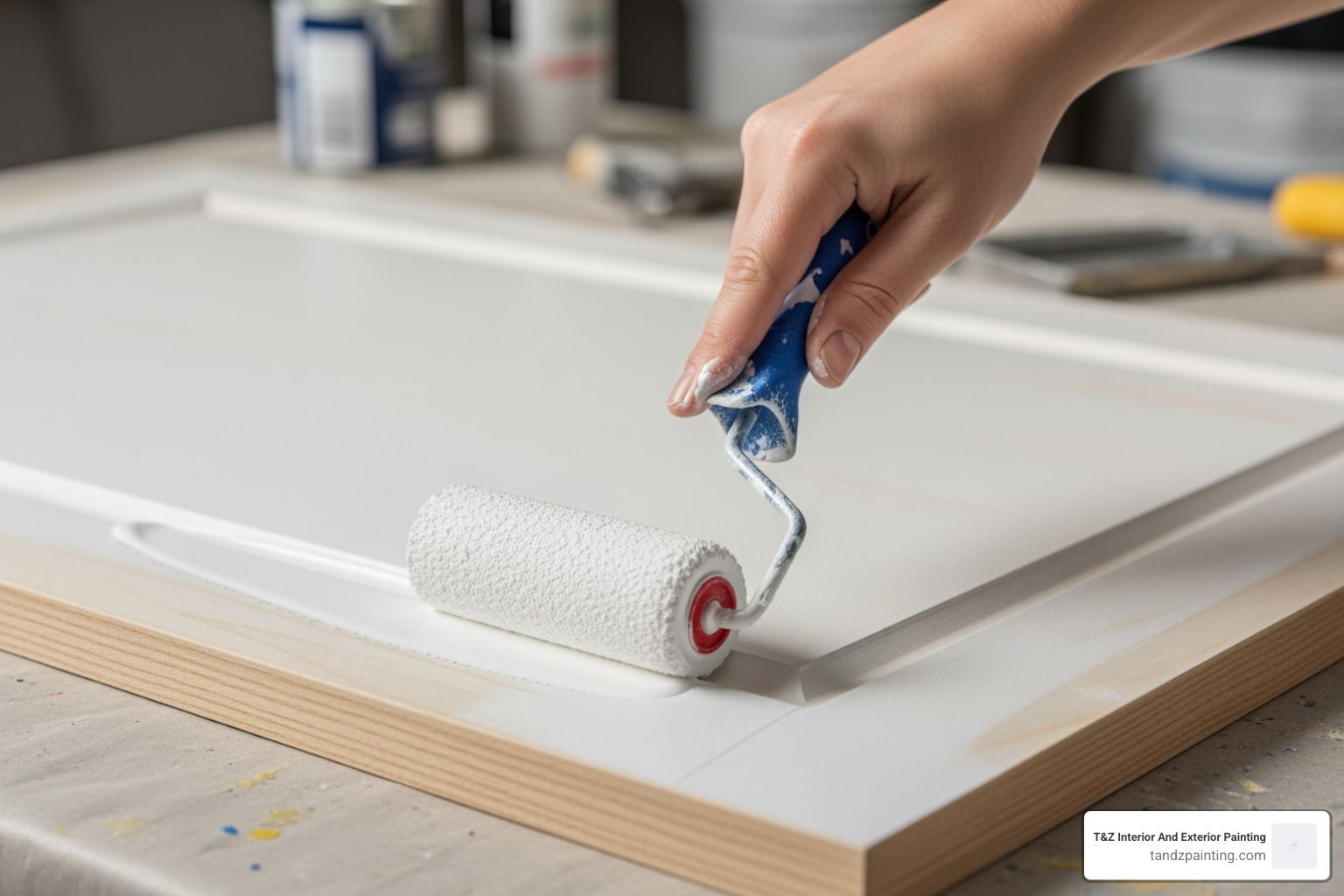
Applying Primer for Maximum Adhesion
Primer is not just an optional step; it’s a non-negotiable foundation when painting gloss kitchen cabinets. It ensures maximum adhesion for your topcoat, prevents stains from bleeding through, and provides a uniform surface for the paint.
We always choose a high-quality, stain-blocking primer. Zinsser B-I-N Primer Sealer is a popular choice for its excellent adhesion and stain-blocking properties. Other reputable options include Benjamin Moore’s Fresh Start High-Hiding All-Purpose Primer or Sherwin-Williams Extreme Bond Primer. These primers are specifically designed to bond to challenging surfaces, like the one we’ve just sanded.
When applying primer, we start with the detailed areas first. Using our high-quality angled brush, we work around any recessed panels, moldings, or intricate sections of the doors and frames. It’s important to ensure the primer doesn’t pool in corners; we feather out the edges to avoid visible lines. Once the detailed areas are done, we switch to a mini foam roller for the larger, flat surfaces. We apply a smooth, even coat across all surfaces.
We allow the primer to dry completely according to the manufacturer’s directions, which usually takes a few hours. Once dry, we lightly sand the primed surface with 220-grit sandpaper to smooth out any minor brush strokes or imperfections, then wipe away the dust with a tack cloth. If we’re painting both sides of doors, we prime and sand one side, then flip them over to do the other.
Application Techniques for Painting Gloss Kitchen Cabinets
Now for the paint! Choosing the right type of paint is crucial for durability and a smooth finish in a high-traffic area like the kitchen.
We recommend using a high-quality alkyd-acrylic enamel-based paint. These paints offer excellent durability, resist chipping, and have self-leveling properties that help minimize brush marks and roller textures, giving you a smoother finish. Brands like Sherwin Williams ProClassic® Interior Waterbased Acrylic-Alkyd Enamel, Benjamin Moore Advance Interior Paint, Dulux Cupboard paint, Zinsser AllCoat, or Frenchic AlFresco are excellent choices.
When it comes to sheen, semi-gloss or high-gloss finishes are generally recommended for cabinet exteriors. They are durable, easy to clean, and stand up well to daily wear and tear. For cabinet interiors, an eggshell finish is often preferred as it’s less likely to dent or stick to dinnerware.
Our painting process is methodical to ensure the best results:
- Painting Order: We typically start with the backside of the doors and drawer fronts first. We apply an even coat, allow it to dry completely, and then flip them over to paint the front. This minimizes the risk of damaging the visible surfaces.
- Edges and Details: Just like with primer, we use our high-quality angled brush for intricate sections and edges first. When painting doors, we often leave the edge nearest to us until last to prevent accidental smudging.
- Flat Surfaces: For the main, flat areas, we use a mini foam roller. We pour the paint into a paint tray and apply it in even strokes, often using a ‘V’ or ‘W’ pattern to ensure uniform coverage. We lightly go over the freshly painted surface with a light touch to remove any ridges or roller marks.
- Painting Drawer Fronts Only: For drawers, we generally recommend painting only the front piece rather than the entire drawer. Painting the sides and bottom of drawers can sometimes cause them to stick in the frames once reassembled.
- How Many Coats to Apply: Multiple thin coats are always superior to one thick coat. Thick coats are prone to drips, uneven drying, and a less durable finish. We typically apply two to three thin coats of paint, especially if we’re covering a dark color with a lighter one.
- Wait Time Between Coats: Patience is truly a virtue here. We allow each coat to dry completely according to the manufacturer’s instructions, which can be anywhere from 24 to 48 hours for cabinet paints. Rushing this step can lead to peeling, tackiness, and an uneven finish. Between coats, we lightly sand with 220-400 grit sandpaper to ensure a perfectly smooth surface, then vacuum and wipe with a tack cloth to remove any dust. To keep our brushes and rollers fresh between coats, we wrap them tightly in plastic bags and store them in the refrigerator (not the freezer).
Curing, Reassembly, and Long-Term Maintenance
We’ve done the hard work of prep and painting, but our project isn’t truly finished until the paint has fully cured. This stage requires continued patience to ensure the longevity and durability of our newly painted cabinets.
The Curing Process and Reassembly
It’s important to understand the difference between “dry to the touch” and “fully cured.” Paint might feel dry to the touch in an hour or two, and even fully dry within 4-6 hours, but that doesn’t mean it’s ready for heavy use.
Curing is the chemical process where the paint hardens and reaches its maximum durability and adhesion. For most cabinet paints, this can take anywhere from 5-7 days, and sometimes up to several weeks, depending on the paint type, humidity, and temperature. For instance, Benjamin Moore Advance Interior Paint can be applied between 10°C and 32°C (50°F-90°F), and painting at room temperature is generally best. Always consult the product’s label or technical data sheet for specific paint curing temperature guidelines.
During this curing period, we advise caution. We can generally return cabinets to light service after 24-48 hours once the paint feels completely dry. However, we avoid heavy abrasion, harsh cleaning, or slamming doors and drawers for at least 5-7 days. This allows the paint to achieve its full hardness and adhesion, preventing premature chipping or damage.
Once the paint has dried and had some initial time to harden, we carefully reinstall all the hardware we carefully removed and labeled earlier. Then, we rehang the cabinet doors and reinsert the drawers, following our labeling system to ensure everything goes back in its rightful place. New hinges are often a good idea for a proper fit, especially for inset cabinets. If we changed the placement of pulls, we ensure the old holes are properly filled and sanded smooth before drilling new ones.
Maintaining Your Newly Painted Cabinets
Our newly painted gloss kitchen cabinets are a beautiful investment, and with proper care, they’ll look fantastic for years to come.
For regular cleaning, we simply wipe down the surfaces with a damp cloth and a mild detergent. Avoid harsh chemical cleaners, abrasive scrubbers, or scouring pads, as these can scratch the glossy finish and dull the paint over time. A gentle approach is always best.
For minor scuffs or chips that might occur over time, we recommend keeping a small amount of your leftover paint for touch-ups. Applying a small amount with a fine brush can easily conceal minor imperfections, keeping your cabinets looking fresh.
DIY Painting vs. Hiring a Professional
Deciding whether to tackle painting gloss kitchen cabinets yourself or to hire a professional is a significant decision. Both options have their merits, and we often work with homeowners in Lombard, Wheaton, and other surrounding areas who consider both paths.
| Feature | DIY Painting Gloss Kitchen Cabinets | Professional Painting Gloss Kitchen Cabinets |
|---|---|---|
| Time Investment | Significant (days to weeks, including drying/curing) | Less personal time required |
| Skill Required | High (meticulous prep, careful application, patience) | Expert-level |
| Equipment | Basic tools, quality brushes/rollers, possibly a small sprayer | Industrial-grade sprayers, specialized booths, extensive masking equipment |
| Finish Quality | Good to excellent (with proper technique and patience) | Factory-smooth, flawless finish (often sprayed) |
| Durability | Very good (with proper prep and quality materials) | Excellent (optimized conditions and professional-grade products) |
| Convenience | Low (kitchen disruption, labor-intensive) | High (minimal disruption, faster completion) |
| Satisfaction | High (sense of accomplishment) | Peace of mind, guaranteed results |
| Potential Issues | Drips, brush marks, uneven coverage, peeling if prep is skipped | Minimal issues, professional touch-ups if needed |
DIY Pros and Cons:
Pros: The most obvious advantage is the savings. You handle the labor yourself, making it an accessible way to refresh your kitchen. There’s also immense satisfaction in stepping back and admiring a project you completed yourself.
Cons: It’s incredibly time-consuming and labor-intensive. The meticulous preparation, multiple thin coats, and extensive drying times mean your kitchen can be in disarray for days or even weeks. Achieving a truly smooth, factory-like finish without specialized equipment requires exceptional patience and technique. Common mistakes include skipping prep, applying thick coats, or rushing the drying process, all of which compromise durability and appearance.
Professional Pros and Cons:
Pros: Hiring professionals like us at T&Z Interior And Exterior Painting guarantees a superior, factory-smooth finish, often achieved through specialized spray painting techniques. Our experienced teams use top-brand materials and have the expertise to handle every step, from meticulous prep to flawless application, minimizing disruption to your home. We deliver stunning, quality results efficiently.
Cons: The primary drawback is the investment required compared to a DIY project. However, many homeowners find the value in the professional finish, durability, and time saved to be well worth it.
Brush and Roll Technique vs. Spray Painting:
For DIYers, the brush and roll technique is generally recommended. It’s more forgiving, requires less specialized equipment, and can still yield excellent results with patience and proper technique. We use high-quality brushes for details and foam rollers for flat surfaces to minimize brush marks.
Professional painters, however, often use spray painting for gloss kitchen cabinets. This method provides the smoothest, most uniform, and factory-like finish. It requires extensive masking, a well-ventilated area, precise control over paint viscosity, and industrial-grade sprayers. While it’s possible for skilled DIYers to spray paint, it’s a difficult job best left to professionals if you’re not experienced, as fumes are a significant consideration and scratches may show through if the base surface isn’t perfectly prepared.
The choice depends on your available resources, time, skill level, and desired outcome. If you’re looking for a perfect, durable, factory-smooth finish without the hassle, our teams in Chicago, Schaumburg, and other locations are ready to help.
Frequently Asked Questions about Painting Gloss Cabinets
We often hear similar questions from homeowners considering painting gloss kitchen cabinets. Here are some of the most common inquiries we receive:
What are the most common mistakes to avoid?
The biggest pitfalls often stem from impatience or cutting corners:
- Skipping Proper Preparation: This is the number one mistake. Not thoroughly cleaning, degreasing, or sanding the glossy surface will lead to poor adhesion, and your paint will chip and peel prematurely.
- Not Sanding Properly: We can’t emphasize this enough. If you don’t create that “tooth” for the primer and paint to grab onto, it won’t last. Don’t skip the sanding, and ensure all dust is removed afterward.
- Applying Thick Coats: It’s tempting to try and finish faster with fewer, heavier coats. However, thick coats lead to drips, uneven drying, a textured finish, and ultimately, a weaker paint film more prone to damage. Always apply multiple thin coats.
- Rushing Drying and Curing Time: Paint needs time to dry and, more importantly, to cure. Ignoring recommended drying times between coats or putting cabinets back into heavy use too soon will result in smudges, chips, and a less durable finish.
What are the most popular color trends for kitchen cabinets?
While trends come and go, some colors remain timeless favorites for kitchen cabinets:
- Timeless Whites and Neutrals: White, off-white, and very pale gray remain incredibly popular. They create a clean, fresh, and bright look, making the kitchen feel more spacious. They also provide a versatile backdrop for accent colors elsewhere in the kitchen.
- Neutral Grays: Light to medium grays offer a sophisticated and modern alternative to white, providing warmth without being too dark.
- Bold Dark Tones: We’ve seen a growing trend towards deeper, richer colors like navy blue, forest green, and even charcoal gray. These can create a dramatic and luxurious feel, especially in larger kitchens or as accent cabinets in a two-tone scheme. However, be aware that very dark shades can show wear and cooking splatters more quickly than mid-range hues.
How long until I can use my kitchen again?
This is a critical question, and distinguish between “dry to the touch” and “fully cured.”
- Light Use: You can typically return your cabinets to light use after 24-48 hours, once the paint feels completely dry to the touch. This means you can carefully rehang doors and drawers and place items back inside.
- Full Cure: For the paint to achieve its maximum hardness, durability, and adhesion, it needs to fully cure. This process can take anywhere from 5-7 days for many cabinet paints, and sometimes up to several weeks depending on the product and environmental conditions. During this full curing period, we strongly advise avoiding heavy abrasion, harsh cleaning, or anything that could potentially damage the still-hardening paint film. Patience here will pay off with a much more durable finish.
Achieve Your Dream Kitchen with a Flawless Finish
Painting gloss kitchen cabinets is a fantastic way to revitalize your home. It’s a great alternative to a full kitchen replacement, offering a fresh, clean look that can transform your entire space. With proper preparation, the right materials, and a methodical approach, you can achieve a durable, stunning finish that you’ll love for years.
Whether you’re a dedicated DIYer ready to tackle this rewarding project yourself, or you prefer the peace of mind and flawless results that come from professional expertise, the journey to refreshed cabinets is well worth it. At T&Z Interior And Exterior Painting, we pride ourselves on delivering quality, stunning results through experienced teams, top-brand materials, and excellent customer service. We’ve helped countless homeowners in Lombard, Wheaton, Lemont, Downers Grove, Carol Stream, La Grange, Lockport, Plainfield, Addison, Elmhurst, Glenview, Wilmette, Woodridge, Chicago, and Schaumburg achieve their dream kitchens.
If you’re looking for that factory-smooth finish and don’t want the hassle of a DIY project, we’re here to help. Our expertise ensures your gloss kitchen cabinets not only look beautiful but stand up to the demands of daily life.