
Door & Trim Painting in Lombard, Illinois
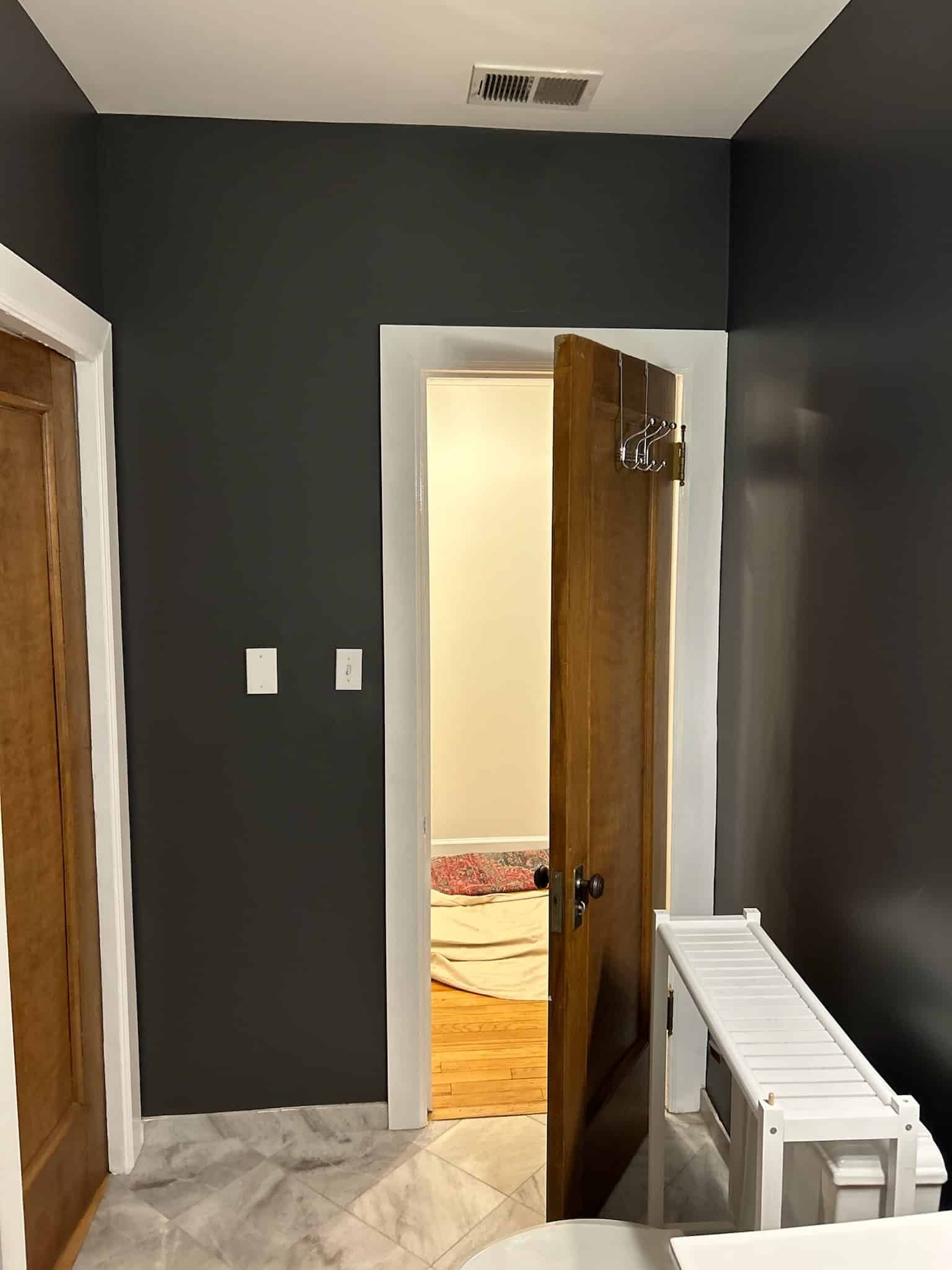
Doors and trim take more abuse than any other surface in a home. Daily scuffs, humidity swings, chipped edges, and years of yellowing paint all add up. In Lombard, freeze-thaw winters and humid summers make that wear happen faster than most homeowners expect. T&Z Interior and Exterior Painting handles door and trim painting for interior doors, entry doors, baseboards, window casings, crown molding, and wainscoting — in homes and commercial spaces across Lombard and the surrounding area. Call us for a free on-site estimate. Most jobs are scheduled within a week. We’re a licensed Painter with 15+ years of experience, and we deliver chip-resistant, sharp-edged finishes every time.
Why Painting Your Trim Costs Less and Looks Just as Good as Replacing It
- Structurally sound — no cracks through the wood, no warping, no rot
- Cosmetically worn — chips, yellowing, scratches, or outdated color
- Firmly attached — caulk gaps can be resealed; loose trim can be renailed before painting
Replacement makes sense only when trim is physically broken — split, rotted, or swollen beyond repair. In most Lombard homes, that’s a small percentage of the trim in any given room. T&Z inspects every surface at the estimate and tells you honestly which pieces need replacing and which ones just need a proper repaint.
Most Lombard trim jobs finish in one to two days. Full replacement for the same scope takes weeks.
How to Tell When Your Lombard Home's Doors and Trim Need Repainting
- Chips at door edges where the door contacts the frame
- Yellowing white trim, especially near windows and south-facing walls
- Caulk lines opening up between baseboards and the wall
- Scuff marks that don't wipe off
- Paint peeling at inside corners or where two trim pieces meet
Entry and exterior doors: Repaint every 3–5 years. Exterior doors face sun, rain, and temperature swings directly. Fading, chalking, and cracking at panel edges are signs the current coat has broken down.
What happens if you wait too long: Bare wood gets exposed. Moisture enters. The wood swells slightly, the paint edge lifts further, and what started as a cosmetic job becomes a repair job first. Catching chips early — within 60 days — is the single best way to keep a paint job lasting its full lifespan.
Lombard’s climate is hard on painted wood. Humidity in summer causes wood trim to swell. Cold dry air in winter causes it to contract. That constant movement opens caulk joints and chips paint edges faster than in milder climates. Landlords managing Lombard rental properties see this clearly — trim that looks fine in September shows real wear by March.

What Needs to Be Done to Doors and Trim Before Any Paint Goes On
- Clean — remove grease, grime, and wax; kitchen and bathroom trim gets a degreaser
- Sand or degloss — scuff glossy surfaces; sand peeling areas back to a firm edge
- Fill — use lightweight spackling or wood filler on dents, nail holes, and cracks
- Caulk — reseal all gaps between trim and wall, around door casings, and at inside corners
- Prime — bare wood and stain-bleed areas get a dedicated primer; MDF trim edges get oil-based primer
- Inspect in raking light — catch any bumps or missed spots before topcoat goes on
- Apply topcoat — brush or spray depending on surface and location
One specific note for newer Lombard homes in Yorkshire Woods and Summit at Yorktown: most of the trim in these subdivisions is MDF, not solid wood. MDF absorbs moisture at cut edges and swells if not properly sealed. Oil-based or shellac primer on every raw MDF edge is non-negotiable — without it, the edges bubble and peel within a season.
The Right Order to Paint Walls, Trim, and Doors for a Clean, Professional Result
- Ceiling — always first; drips and roller spatter fall onto walls and trim you haven't painted yet
- Walls — second; cut in at ceiling and trim lines, roll the field, let dry fully
- Trim and baseboards — third; tape against dry wall paint for a sharp edge, brush or roll
- Doors — last; remove hardware, paint face and edges, hang back when fully dry
Trim last is the key move. By the time trim gets painted, the wall is dry and stable. You can tape against it cleanly and pull tape without tearing fresh paint. Trying to paint trim first and cut walls against it works in theory but almost always leaves a visible line where the brush loaded unevenly.
Doors deserve their own step because they’re the most visible surface in a room — and the most likely to show brush marks if rushed. T&Z removes door hardware before painting and re-hangs doors after the finish is fully cured, not just dry to the touch. A door hung too early sticks at the edges and transfers marks to the fresh paint on the frame.
For Lombard commercial spaces — offices and retail along Main Street and Finley Road — T&Z schedules trim work after hours. Each zone gets sequenced separately so the business can keep operating while the work moves through the building.
The Toughest Door and Trim Painting Challenges — and How Pros Handle Them
- Dark colors to light colors. This is the most common hard job. Dark red, deep navy, forest green, and especially raw wood stains all bleed through standard primer and light topcoats. You roll on the new white paint and within days — sometimes hours — the old color ghosts back through. The fix is two coats of stain-blocking primer: oil-based or shellac-based, not water-based. It seals the old color permanently. Homes in Lombard's Westmore neighborhood often have original oak or walnut trim that homeowners want to paint white — shellac primer is mandatory on these surfaces before any topcoat.
- Stairwells. The hardest room in most Lombard homes to paint isn't the bathroom or the kitchen — it's the stairwell. Tall walls, trim at multiple heights, awkward angles, and no flat floor to stand on safely. Proper staging, extension poles, and careful masking take longer to set up than the actual painting. Rushing a stairwell is how you get paint on carpet runners and uneven cut lines at the ceiling.
- Panel doors. Raised-panel interior doors have flat fields, recessed panels, and profiled edges — all at different depths. Rolling them produces lap marks at panel transitions. Brushing them leaves bristle lines in the flat fields. The correct approach is spray application in a controlled environment, which is why T&Z removes doors and paints them off the hinges when a factory-smooth finish is required.
- MDF vs. wood. As noted above, MDF trim requires different primer than solid wood. Using the wrong primer on MDF edges causes swelling and bubbling — it looks fine for a few months and then fails. Most painters who cut corners skip the oil-based primer because it adds dry time to the job. T&Z doesn't skip it.
How to Keep Lombard Door and Trim Paint Looking Sharp for Years
- Use the right finish. Semi-gloss or gloss enamel on all trim and doors — always. These finishes are hard, washable, and moisture-resistant. Flat or eggshell paint on trim looks soft initially but scuffs easily and can't be wiped clean without leaving dull spots. If you're repainting trim that was previously done in flat paint, switching to semi-gloss is one of the highest-value upgrades you can make.
- Clean gently. Wipe trim and door surfaces with a damp cloth when needed. Avoid abrasive cleaners, Magic Erasers on fresh paint, or anything with bleach — these break down enamel and leave dull patches. For stubborn marks on semi-gloss, a drop of dish soap on a soft cloth is usually enough.
- Inspect caulk lines every spring. The joint between baseboard and wall, and between door casing and wall, is the first place paint failure starts. When caulk gaps open up, moisture gets in and lifts the paint edge from the inside. A five-minute inspection each April — before Lombard's rain season — and a fresh bead of paintable caulk where needed adds years to a trim paint job.
- Touch up chips quickly. Bare wood exposed at a chip absorbs moisture within days in Lombard's humid summers. A small chip left untouched for a season becomes a lifted edge that requires sanding and repriming to fix properly. Keep a small container of the trim color on a shelf and touch up within 60 days of noticing any bare spots.
Entry doors are the highest-risk surface. South- and west-facing doors in Lombard get direct sun in the afternoon and are first to fade, chalk, and crack at panel edges. Inspect them each spring and touch up before the damage spreads to the wood underneath.
Send Us a Message
FAQ
Is it worth painting trim instead of replacing it in a Lombard home?
Almost always yes. Painting preserves structurally sound trim at a fraction of the cost and disruption of replacement. Replacement only makes sense when trim is rotted, warped, or physically broken — not just worn or outdated in color.
Can doors and trim be painted without sanding?
On clean, sound, lightly glossy surfaces, a liquid deglosser can substitute for light sanding. On peeling, chipping, or bare wood surfaces, sanding is required. Skipping it on damaged trim means the new coat peels within months.
Do your painters do walls or trim first?
Walls first, trim last. This sequence lets you tape cleanly against dry wall paint for sharp trim edges and avoids touching up trim splatter over fresh walls.
How long does door and trim painting take for a typical Lombard home?
A single room’s trim runs a half to full day. Whole-house trim — all doors, baseboards, casings, and crown — typically takes 2–3 days depending on detail level, number of doors, and prep needs.
What finish should be used on doors and trim?
Semi-gloss or gloss enamel every time. It’s hard, washable, and holds up to Lombard’s humidity and temperature swings. Flat or eggshell on trim wears and stains quickly and can’t be cleaned without dulling the surface.