
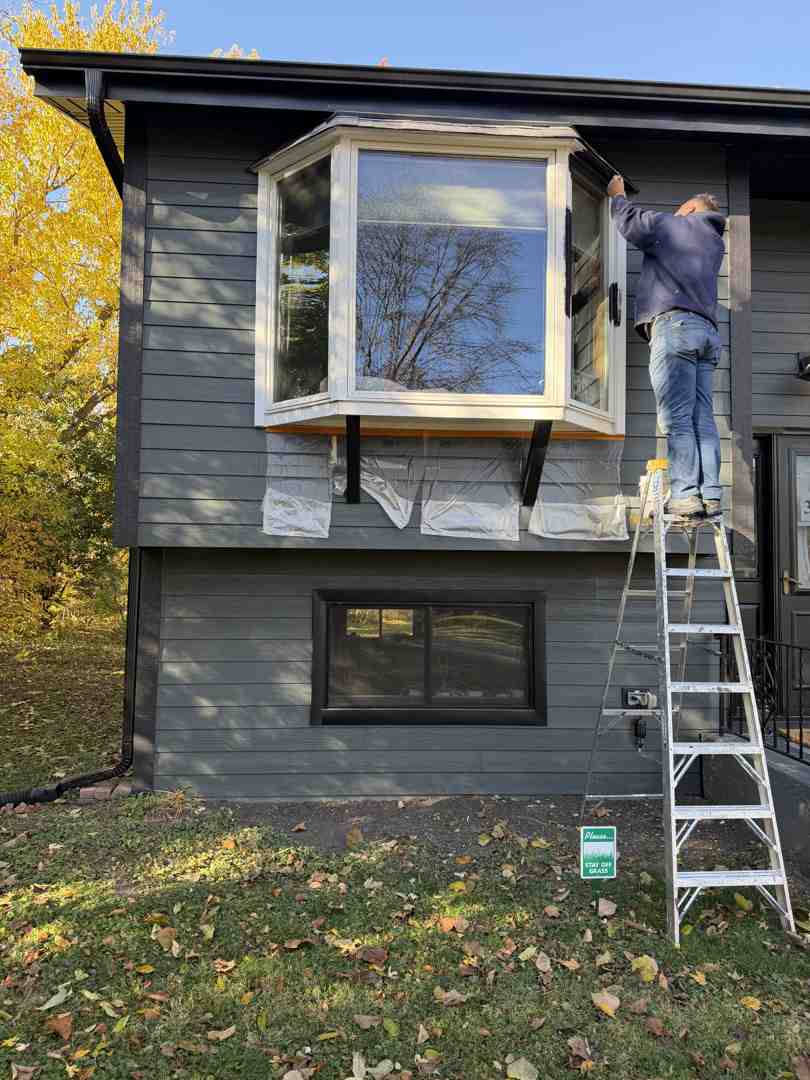
Why Timing Is Everything When Painting Your Home Exterior
The best time to paint exterior of a house is during spring or early autumn, when temperatures usually sit between 10C and 25C and humidity stays moderate. Here is a quick overview:
| Season | Months | Suitability |
|---|---|---|
| Spring | March – May | Best overall – mild temps, less rain |
| Early Summer | June – July | Good – long days, warm and dry |
| Late Summer | August | Use caution – heat and UV risks |
| Early Autumn | September | Excellent – stable, low humidity |
| Winter | December – February | Avoid – cold, damp, poor adhesion |
Picking the wrong time to paint your home’s exterior is a costly mistake. Paint applied in the wrong conditions – too cold, too damp, or too hot – can peel, crack, or blister within months. A well-timed exterior paint job, on the other hand, can protect your home and look great for years.
Because weather patterns can shift quickly in many regions, timing matters more than many property owners expect. Whether you are planning residential painting or coordinating a commercial exterior refresh, understanding the right temperature, moisture, and drying conditions is what helps a finish last.
At T&Z Interior And Exterior Painting, we bring over 15 years of professional experience in residential and commercial painting to every project. Our team serves homeowners and businesses in Lombard, Itasca, Addison, Glen Ellyn, Oak Brook, and surrounding areas, and we have seen how seasonal timing directly affects the quality and longevity of an exterior paint job. In this guide, we will walk you through how to choose the right time for exterior painting so you get results that look great and hold up well.

Determining the Best Time to Schedule Exterior House Painting
When we look at the calendar, we are not just looking for a sunny day. We are looking for a reliable weather window. In climates with changing seasonal conditions, these windows are often most dependable during the transition months. While many property owners assume the height of summer is the only option, the shoulder seasons often provide the most balanced environment for paint to dry and cure properly.
The Spring Window (March to May)
Spring is one of the most popular seasons for exterior maintenance. As frost risk fades and temperatures become milder, conditions are often more favorable for painting. This is one of the best times to paint a house exterior because the air is often drier than in winter, while avoiding the extreme surface heat that can happen in midsummer.
However, spring can still bring rain, pollen, and fluctuating overnight temperatures. For that reason, it is important to look beyond the forecast for a single day and make sure the surface will stay dry long enough for proper curing.
The Early Summer Sweet Spot
June and early summer usually bring longer daylight hours, which can be especially helpful on larger projects. The added warmth supports more consistent drying for many masonry and siding paints. The key is to avoid periods of excessive heat, because when surfaces get too hot, paint can dry too quickly at the top layer and fail to level properly.
The Early Autumn Advantage
Early autumn is another excellent time for exterior painting. Humidity can be lower than in spring, and temperatures are often steady enough to support even curing. This makes it a strong option for homeowners who want to complete an exterior refresh before colder weather sets in.

For those looking to improve curb appeal and protect their property with a professional finish, More info about exterior painting services can help clarify how seasonal planning impacts the final result.
Regional Variations in Exterior Painting Timing
Weather conditions are not identical from one region to another. Temperature swings, humidity, wind exposure, and rainfall can all affect how long a painting season lasts and how carefully each project needs to be scheduled.
- Warmer, drier regions: Areas with longer stretches of mild weather often allow for a broader painting season.
- Cooler northern climates: These regions usually have a shorter window and may require extra attention to overnight temperatures and surface moisture.
- Coastal areas: Wind, salt exposure, and humidity can affect adhesion and may require additional preparation and coating selection.
- Urban environments: Dust, pollution, and heat reflected from hard surfaces can influence drying times and finish quality.
To see how we handle different exterior surfaces and project types, browse our Portfolio of professional exterior projects.
Professional Tips for the Best Exterior Painting Results
Achieving a professional finish is not just about using the right brush or roller. It is also about working with the weather and the surface conditions throughout the day.
- Shade-following: We avoid painting in harsh direct sunlight whenever possible. Working on shaded sides of the home helps prevent the surface from overheating, which reduces the risk of lap marks and blistering.
- The wet edge technique: Maintaining a wet edge helps avoid visible lines where one section overlaps another. This is much easier to control in mild conditions than during extreme heat or wind.
- Thin, even coats: Two or more properly applied coats typically perform better than one heavy coat, helping the finish dry more evenly and bond more effectively.
- Morning moisture check: We never rush onto a damp surface. Dew, overnight humidity, or leftover moisture from rain can interfere with adhesion and shorten the life of the coating.
When selecting materials, we often suggest that homeowners Explore high-quality masonry paint options that are designed to handle changing outdoor conditions.
Ideal Weather Conditions: Temperature and Humidity
If you want your paint job to last, it helps to pay close attention to the weather. The performance of exterior paint depends heavily on two factors: temperature and relative humidity.
The Temperature Sweet Spot: 10C to 25C
Most exterior paint systems perform best when the air and surface temperatures are between 10C and 25C.
- Below 10C: The curing process slows down significantly, which can lead to poor adhesion and a weaker finish.
- Above 25C: Moisture or solvent can evaporate too quickly, preventing the paint from leveling properly and increasing the risk of brush marks or early failure.
The Humidity Factor: 40% to 70%
Humidity is just as important as temperature. When humidity is too high, drying times increase and moisture-related issues become more likely.
| Condition | Impact on Paint | Professional Advice |
|---|---|---|
| Humidity > 80% | Paint dries very slowly; risk of wash-off | Do not paint until conditions improve. |
| Temp < 5C | Paint may fail to bond correctly | Avoid painting in these conditions. |
| Direct Sunlight | Blistering and lap marks | Work on the shaded side when possible. |
| Wind > 10mph | Dust contamination; rapid drying | Wait for calmer conditions or use protection. |
We always recommend that property owners Check local weather forecasts and apps for a clear 48-hour window before starting an exterior painting project.
Why Winter is the Most Challenging Season
We are often asked whether an exterior project can be completed during winter. While some specialty coatings are formulated for lower temperatures, winter is still one of the most difficult seasons for exterior painting because cold, damp, and unstable conditions make proper curing much harder to achieve.
Adhesion Failure and Slow Drying
During winter, shorter days and lower temperatures slow the curing process. When temperatures drop too low, many exterior paints struggle to form a strong bond with the surface. Even if paint appears dry on the outside, it may remain vulnerable underneath, leading to premature failure.
The Frost and Condensation Trap
A day that feels workable in the afternoon can quickly become a problem once temperatures fall in the evening. If fresh paint is exposed to frost before it has cured, the coating can crack or lose adhesion. Condensation is another major issue, since moisture settling on exterior walls can prevent paint from bonding correctly in the first place.
For a deeper look at the science of weather patterns and temperature thresholds, you can review Scientific research on climate normals and temperature thresholds.
Structural Protection Concerns
Painting over a wall or exterior surface that still holds moisture can create bigger problems later. Trapped moisture may try to escape as temperatures rise, pushing against the paint film and causing bubbling, peeling, or blistering. That is why proper timing and surface preparation matter just as much as the paint itself.
Essential Preparation for a Long-Lasting Finish
Regardless of when you choose to paint, the quality of the finish depends heavily on preparation. You can have ideal weather and premium products, but if the surface is not properly prepared, the coating will not perform as it should.
Step 1: Surface Cleaning and Algae Removal
Exterior surfaces collect dirt, chalking, mildew, algae, and other contaminants over time. These need to be properly removed before painting begins. Cleaning is not just about appearance – it creates the sound surface needed for paint to bond well and last longer.
Step 2: Repairing the Substrate
Cracks in render, mortar, siding, or other exterior materials can allow moisture in and compromise the finish. These issues should be repaired before painting so the new coating can protect the surface rather than simply cover existing damage.
Step 3: Priming and Stabilizing
Some surfaces need a stabilizing primer or a dedicated masonry primer before the topcoat is applied. This helps create a uniform base, improves adhesion, and prevents the surface from absorbing moisture from the paint too quickly.
At T&Z Interior And Exterior Painting, preparation is a major part of how we deliver durable, professional results. Our experienced team focuses on clean workmanship, careful surface evaluation, and the right product selection for each project. To understand the full scope of what goes into a professional start, read our guide on How to prepare a house for painting.
Frequently Asked Questions about Exterior Painting
What is the absolute best month to paint a house?
If we had to pick one, late spring is often one of the most reliable times for exterior painting. Temperatures are usually mild, frost risk is lower, and conditions are often stable enough to support proper curing.
Can you paint the exterior of a house in the rain?
No. Exterior paint should not be applied during rain or onto a surface that is still damp. Moisture can interfere with adhesion, extend drying times, and damage the finish before it has a chance to cure. It is best to wait until the surface is fully dry and the forecast gives you a safe weather window.
How long does exterior paint take to dry between coats?
Drying time depends on the product, temperature, humidity, and surface conditions. In mild weather, many exterior paints may be ready for another coat within several hours, but cooler or more humid conditions can extend that timeline significantly. Always follow the manufacturer’s instructions for the specific product being used.
Conclusion
Choosing the right time for exterior painting is a balancing act between temperature, humidity, direct sun, and rain. By planning around stable weather windows and preparing surfaces properly, you give your exterior paint the best chance to look great and last.
At T&Z Interior And Exterior Painting, we bring over 15 years of expert craftsmanship to every project, specializing in residential and commercial painting, cabinet painting and refinishing, drywall repair, and specialty coatings. We proudly serve Lombard, Itasca, Addison, Glen Ellyn, Oak Brook, and surrounding communities, delivering clean, professional service backed by top-brand materials, experienced crews, and strong attention to detail. As a licensed and insured company with a 5.0 Google Reviews rating, we are committed to quality, reliability, and long-lasting results.
Whether you want to boost curb appeal, protect exterior surfaces, or enhance property value, our team is here to help with professional painting solutions tailored to your home or business.
Transform your home with our exterior painting services and let us help you plan your project for the best possible results.