
Full Interior Design Consultation in Lombard, IL
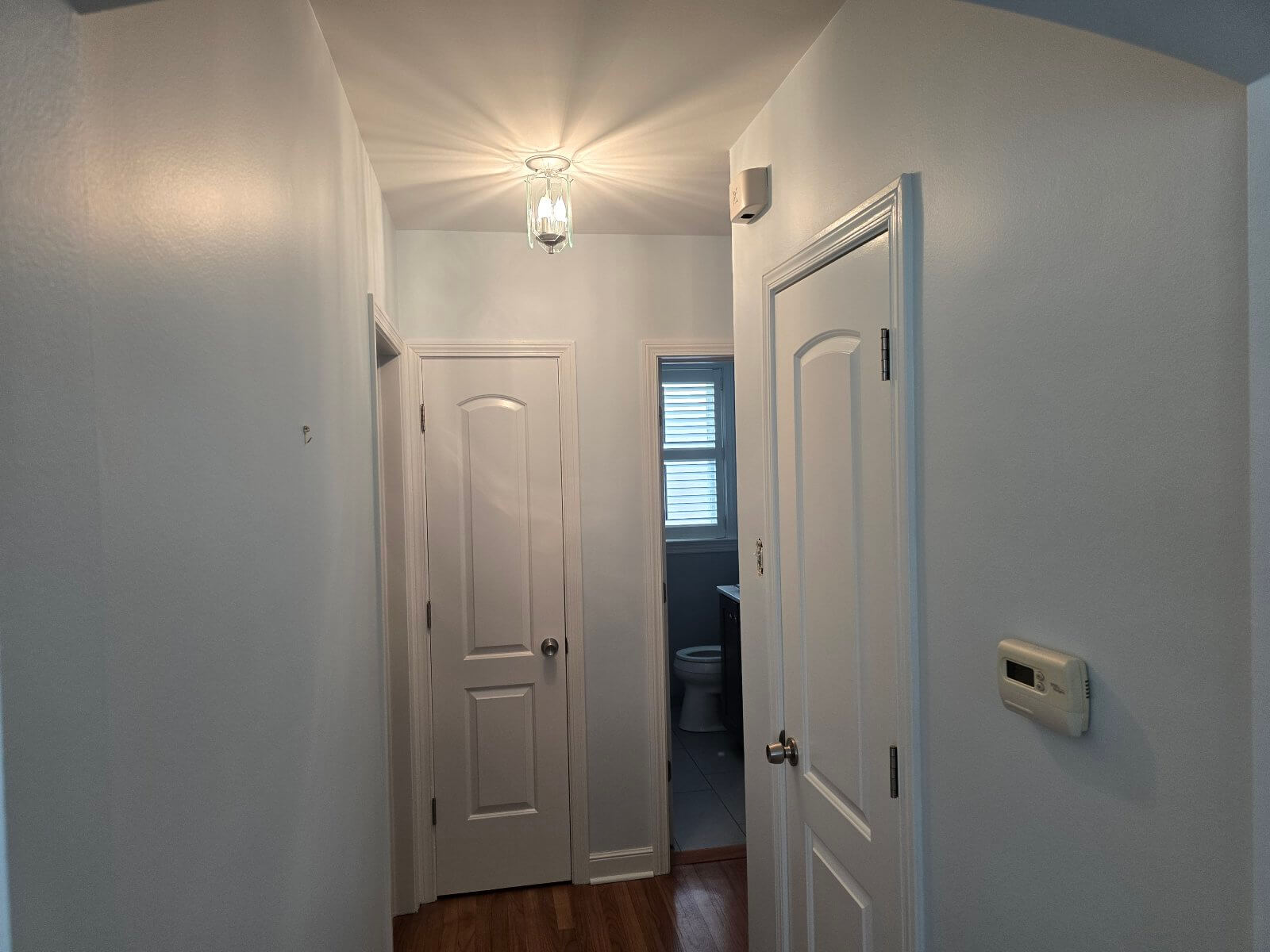
Most painting projects stall at the same point — not because the homeowner doesn’t want to move forward, but because they aren’t confident in the decisions they need to make before the first brush touches the wall. In Lombard, homeowners and business owners starting a painting or renovation project often know they want change but aren’t sure where to start. A Full Interior Design Consultation in Lombard with T&Z removes that uncertainty. We handle color selection, finish coordination, layout guidance, furniture placement, and material pairing for residential and commercial spaces — from single-room refreshes to whole-home renovations and commercial fit-outs. Schedule an on-site consultation and receive specific recommendations before any painting is committed. We’re a licensed Painter with 15+ years of experience and design expertise — and we help you make decisions that work together, look right, and hold up.
What Is Included in a Full Interior Design Consultation for a Lombard Home or Business
The on-site space assessment:
The consultation begins with a walk-through of every space being considered. Lighting conditions are the first thing assessed — not what the room looks like in photos, but what it looks like at different times of day under the actual light sources present. A north-facing living room with limited natural light makes color decisions very differently than a south-facing room with afternoon sun. A kitchen with warm incandescent lighting over countertops needs a different color strategy than one with cool LED under-cabinet lighting.
Existing furnishings, flooring, countertops, and hardware are all noted. Color recommendations that don’t account for what’s already in the room produce palettes that look right on paper and wrong in the space. The consultation integrates every existing material into the color and finish decisions rather than treating the walls as if they exist in isolation.
Architectural features — crown molding, wainscoting, built-ins, ceiling height, window size and placement — are assessed for how they affect color perception and what finish and treatment choices they support or require.
Color palette development:
Specific paint colors are selected for each surface type. Not “a warm white for the walls” — a specific paint color with a specific undertone profile that works with the room’s light conditions, existing materials, and the adjacent spaces it flows into. Ceiling color, trim color, and door color are all specified — these decisions are as visually impactful as wall color and are treated with the same level of attention.
Sheen recommendations are made for each surface based on how it’s used. The living room walls, the hallway walls, the kitchen walls, and the bathroom walls may all receive different sheen levels — not because sheen is arbitrary but because the function of each surface, the cleaning it receives, and the imperfections it needs to conceal or reveal all point to different finishes.
Finish and texture coordination:
For spaces where specialty finishes or textured coatings are appropriate — accent walls, entry features, or architectural elements that standard flat paint underserves — the consultation identifies these opportunities and recommends specific treatments. A venetian plaster treatment in a dining room. A limewash finish on a fireplace surround. A knock-down texture on a ceiling that has too many repairs for smooth paint to conceal. These recommendations are based on what the space needs, not what’s trending.
Furniture and material pairing:
If furnishings are being changed or added as part of the renovation, color recommendations account for the planned materials. New countertops, flooring, or upholstery being considered are brought into the palette discussion so the painted surfaces work with what will be in the room when the project is finished — not just what’s there now.
Written design summary:
At the conclusion of the consultation, T&Z provides a written summary of all recommendations — specific paint colors with product codes, sheen specifications for each surface, finish and texture recommendations, and any notes on application sequence or material coordination. This document gives the homeowner a confirmed reference for purchasing decisions and the painter a confirmed specification before work begins. Nothing is left to memory or interpretation.
Lombard homes span six decades of architectural styles — Tudor revivals, mid-century ranches, colonials, split-levels, and contemporary builds. Design recommendations that work on one style look wrong on another. T&Z’s consultation is specific to the home’s architecture, street context, and how it sits on its lot — not a generic color list applied regardless of building type.
How an Interior Design Consultation Improves a Painting Project in Lombard
Color at chip scale versus room scale:
Paint chip colors are assessed under store fluorescent lighting, at a scale of roughly two square inches, held in isolation against a white background. The wall in your Lombard home is assessed under its actual light source, at a scale of hundreds of square feet, surrounded by flooring, furniture, trim, and architectural elements that all influence how the color reads.
These are not the same experience. Colors that look clean and neutral on a chip reveal their undertones at room scale — the slightly pink undertone in a “warm white” reads as blush on a 400 square foot wall next to a cool gray sofa. The “soft green” on a chip reads as sage in the store and lime on the wall in a west-facing room hit by afternoon sun. A design consultation assesses color in the actual space under actual lighting conditions before any commitment is made.
Undertone conflicts:
Every paint color has an undertone — a secondary color embedded in the formula that becomes more visible as the color is applied at scale and placed next to other materials. A color described as “greige” may have a strong purple undertone that conflicts with warm wood flooring. A white described as “cream” may have a yellow undertone that clashes with cool gray countertops.
These conflicts are not visible on a chip. They appear on the wall, next to the specific materials in the specific room, under the specific lighting of that space. Identifying them requires seeing the proposed color in the actual environment — which is exactly what an on-site consultation does and what chip selection at the paint store cannot.
Sheen coordination:
The wrong sheen in the wrong location creates visual problems that are independent of color. Flat paint on a wall that receives direct light from a window across the room reveals every surface texture and imperfection. Semi-gloss on a wall adjacent to a flat ceiling creates a reflectivity difference at the junction that the eye reads as an uneven line. High-sheen doors against flat walls look disconnected rather than architectural.
Sheen coordination across all surfaces in a space — walls, ceilings, trim, doors, and any specialty areas — is part of what a full consultation delivers and part of what chip selection alone cannot produce.
Whole-home flow:
Individual room decisions made without a whole-home view create jarring transitions. A warm greige living room flowing into a cool gray bedroom looks intentional in theory — contrasting but related. In practice, the transition depends entirely on the specific undertone relationship between those two colors, the direction and quality of light at the transition point, and the trim color that bridges them. A design consultation plans the full sequence of color decisions so the home feels cohesive from any vantage point rather than like a collection of unrelated rooms.
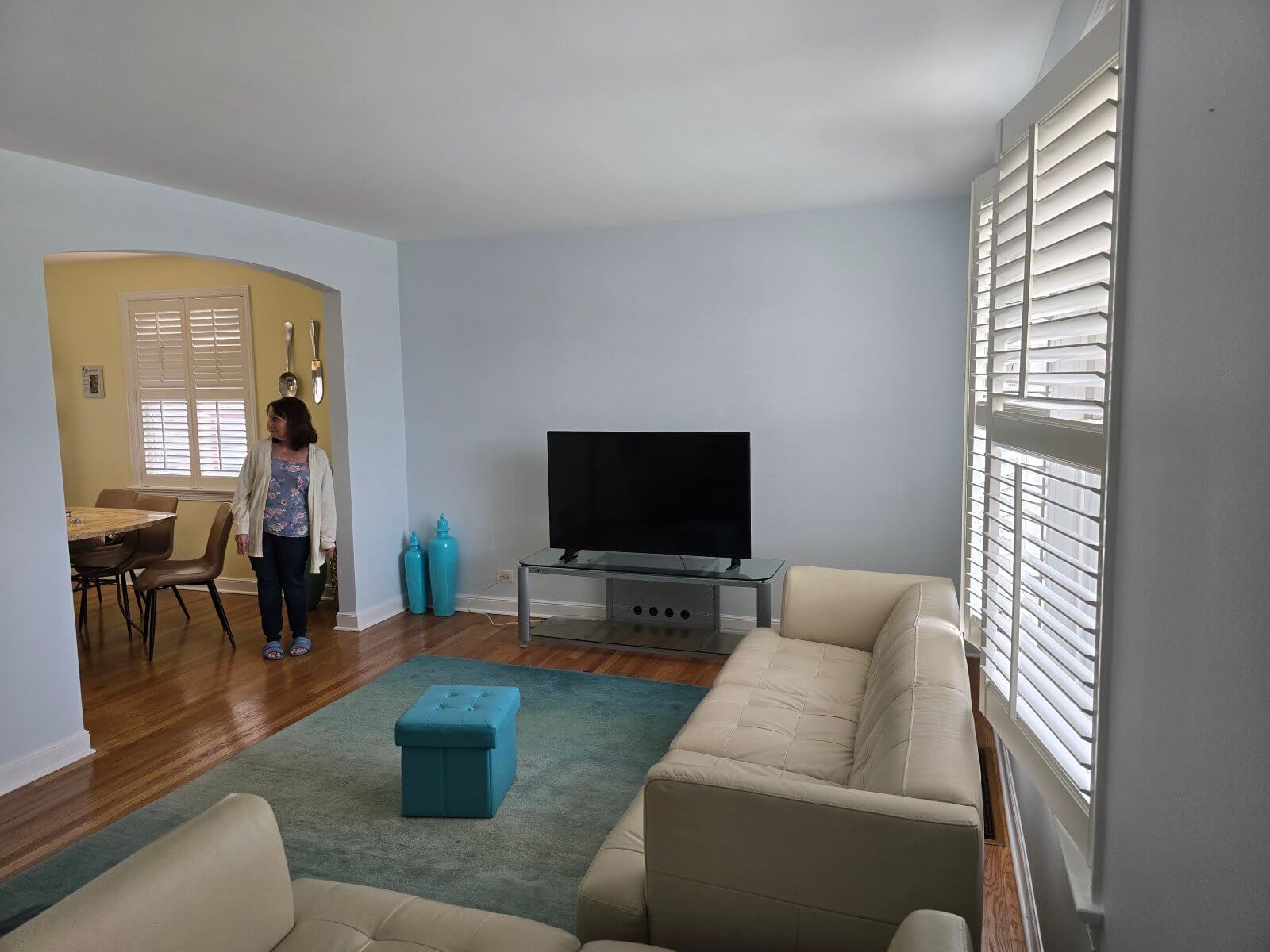
Open-plan homes in Yorkshire Woods and Summit at Yorktown — where living, dining, and kitchen areas flow together without walls dividing them — feel this most acutely. A color decision in the kitchen affects the visual character of the dining area and the living room simultaneously. Getting this right requires seeing all three zones together, in the actual space, under the actual light — not planning each room individually and hoping they work together.
Why a Design Consultation Still Adds Value Even When You Already Have Colors in Mind
Having a wall color isn’t having a design plan:
A wall color is one of roughly a dozen decisions that determine how a painted room looks. Ceiling color, trim color, door color, sheen level for each surface, accent wall placement if any, finish type on specialty surfaces — all of these remain undecided when a homeowner arrives with a wall color chip and says they’re ready to paint.
Every one of these undecided points is an opportunity for a choice that conflicts with the wall color or with the room’s existing materials. The most common outcome when these decisions are defaulted — ceiling goes standard white, trim gets semi-gloss in the same white, no accent wall consideration — is a room that looks incomplete. The wall color the homeowner loved on the chip sits in a context that doesn’t support it.
Validating a color in the actual space:
A consultation that confirms an existing color choice is not a waste of time — it’s insurance. The consultation brings the proposed color into the actual room, assesses it against the room’s light conditions and existing materials, confirms or identifies the undertone behavior at scale, and either validates the choice or catches a conflict before paint is purchased. If the color is right, the consultation confirms it with evidence. If it isn’t, it identifies the conflict before a gallon is on the wall.
This is faster and less expensive than painting the room, living with a color that looks wrong, and scheduling a repaint to correct it.
Trim and ceiling decisions matter as much as wall color:
The trim color in a room frames every wall surface the way a picture frame affects how a painting looks. The wrong trim color — too warm against cool walls, too bright against deep walls, too similar to create contrast — undermines the wall color regardless of how well it was chosen. Ceiling color affects the perceived height and volume of the room. These decisions deserve specific attention, not a default.
Lombard homes with original 1960s through 1990s trim profiles — wide baseboards, deep window casings, and detailed crown molding — have architectural features that the trim color either celebrates or flattens. A warm white trim against a warm gray wall makes those profiles visible and architectural. The same profiles in a trim color too close to the wall color disappear. A consultation makes this decision intentional.
Interior Design Consultations for Lombard Commercial Spaces — Offices, Retail, and Beyond
Office consultation:
The lobby palette is the brand impression decision. The open-plan work area palette is the productivity and light maximization decision. Conference rooms need color that supports sustained focus without visual fatigue. Breakrooms benefit from a palette that feels distinct from the work environment — warmer, more personal, more restorative.
T&Z’s office consultation addresses each zone of the workspace separately, specifies sheen by surface function, and produces a palette that moves cohesively through the building rather than treating each room as an isolated decision. For professional services firms and office buildings in Lombard’s Finley Road and Yorktown corridors, this means an interior that communicates professionalism consistently from the moment a client or candidate walks in.
Retail consultation:
Retail color strategy is brand communication, customer psychology, and durability planning simultaneously. The consultation covers brand color matching to precise specifications, feature wall placement that draws customers deeper into the store, finish selection by zone based on the contact and cleaning that surface receives, and exterior storefront color guidance that translates the brand from inside to outside.
For retail operators on Lombard’s Main Street and downtown commercial strip, the storefront is the first brand impression before any customer enters. The consultation includes the exterior in scope — because an interior that doesn’t connect visually to the exterior creates a disjointed brand experience that starts before the door opens.
HOA and multi-unit commercial buildings:
For HOA managers overseeing common area updates and property managers refreshing shared spaces across a commercial building, T&Z’s commercial design consultation produces a consistent color and finish specification across all common areas — lobbies, corridors, stairwells, and shared amenities — that reads as planned and maintained rather than accumulated decision-by-decision over years of piecemeal repaints.
Commercial spaces in Lombard’s Main Street and downtown retail corridor operate in competitive foot-traffic environments. A coherent, brand-consistent interior is a direct competitive advantage over businesses that default to generic commercial color choices. The consultation is the step that makes the painting project produce a result that functions as marketing rather than just maintenance.
How a Design Consultation Before Painting Can Increase Your Lombard Home's Value
Pre-sale color strategy:
Buyer perception of a home is shaped before they consciously evaluate any specific feature. The first impression — from the listing photos, from the street, from walking through the front door — determines the baseline value in the buyer’s mind before a single square foot of floor plan is assessed.
Color is the dominant driver of that first impression. A home with a polished, neutral, cohesive exterior palette photographs significantly better than one with a dated or personal color scheme. In Lombard’s real estate market, where listing photos are the first screening that determines which properties buyers schedule to see in person, the exterior color consultation alone returns its value many times over if it produces a better first photo.
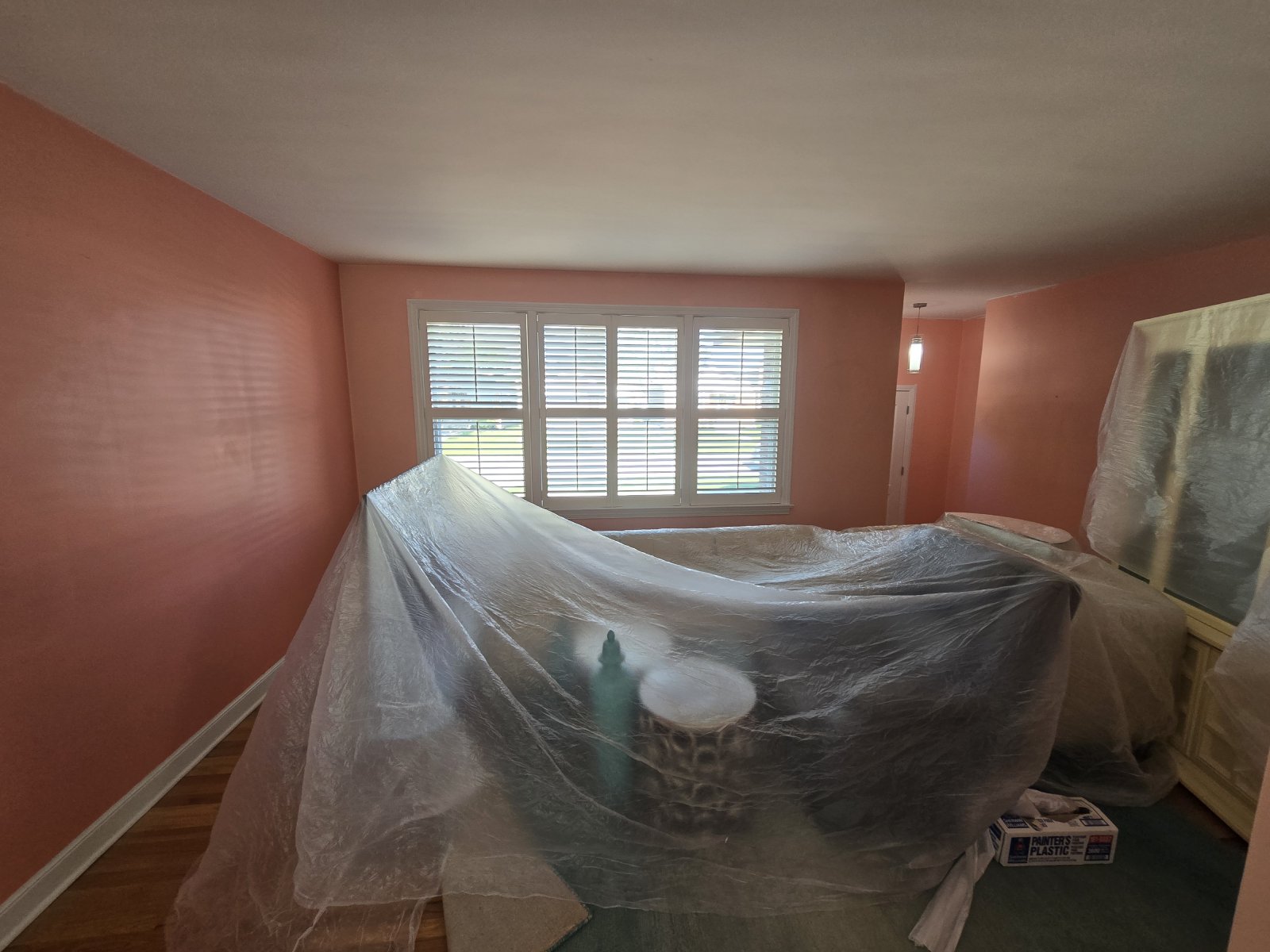
Internally, a neutral, broadly appealing whole-home palette creates a perception of quality and move-in readiness that specific, personal color choices undermine. A buyer walking through a home with a cohesive, current color scheme sees a home that needs nothing. A buyer walking through a home with golden yellow dining room walls, a maroon accent wall in the master bedroom, and outdated trim colors sees a project — regardless of what the home’s actual condition is. The design consultation for pre-sale eliminates that perception problem before listing day.
Specific high-ROI pre-sale painting investments:
Not every painting investment before a sale returns equal value. A design consultation identifies which specific projects apply to the individual Lombard property:
Exterior repaint is consistently among the highest-return pre-sale improvements — curb appeal drives first impressions, listing photo quality, and neighborhood perception. A consultation produces a palette that photographs well and appeals to the widest buyer pool rather than a personal preference that narrows it.
Fresh trim throughout the interior — crisp, clean trim in the right color against freshly painted walls — communicates that the home has been maintained and cared for. Trim paint is one of the first things to show age and one of the first things buyers notice when it’s been freshly done.
Cabinet color update — a consultation that identifies whether existing kitchen or bathroom cabinet colors are current or dated can redirect a painting budget toward the highest-value change in the home. An updated cabinet color in a kitchen that’s otherwise sound can shift buyer perception of the entire room.
Homes in Westmore and Maple Knoll that present with updated, cohesive interiors and polished exteriors move faster and at stronger prices than comparable homes with dated or mismatched color schemes. The design consultation is what makes a painting project a strategic investment rather than a maintenance cost.
The Color and Finish Mistakes a Design Consultation Prevents in Lombard Homes
Choosing color from a chip under store lighting.
Store lighting is designed to make paint chips look their best — it’s typically warm, even, and flattering to most colors. The lighting in a Lombard home is specific to that home — north exposure, east-facing windows, afternoon west sun, warm incandescent fixtures, cool LED recessed lighting. The color that looked right under store lighting behaves completely differently under the home’s actual light sources. Consultation assesses color in the actual space under actual conditions.
Ignoring undertones.
Undertones are the most common source of color mistakes that homeowners can’t identify after the fact. The color looks wrong but they can’t say why — it’s too pink, too green, too purple, or too yellow, but they chose a neutral so that doesn’t make sense. Every neutral has an undertone. Every undertone has materials it conflicts with. A cool gray with blue undertones conflicts with warm wood flooring. A white with pink undertones conflicts with cool gray countertops. Identifying these conflicts requires seeing the color against the actual materials — which is what the consultation does.
Defaulting on trim and ceiling.
The most common omission in color planning is treating trim and ceiling as afterthoughts. Standard white on the trim, standard white on the ceiling — these defaults often produce results that look fine individually and mediocre together. The trim color frames every wall surface in the room. The ceiling color affects the perceived height and warmth of the space. Both deserve specific consideration relative to the wall color and the room’s light conditions.
Lombard homes built in the 1970s and 1980s in Westmore with smaller windows and limited natural light see this most clearly — color choices that look light and airy in a bright showroom read as heavy and dark in these rooms. On-site consultation accounts for the actual light conditions of the specific space rather than how the color looked somewhere else.
Mismatched sheen across adjacent surfaces.
Flat walls, semi-gloss doors, eggshell trim, and a satin ceiling in the same room — each sheen level chosen independently — create a surface that looks uncoordinated at the material level regardless of how well the color was chosen. The eye reads sheen mismatches as an absence of intentionality, even when the viewer can’t articulate why the room looks slightly off. Sheen coordination across all surfaces is part of what the consultation produces and one of the details that separates a room that looks professionally finished from one that looks amateur despite good colors.
The misplaced accent wall.
An accent wall that looks dramatic in a magazine photo is positioned in a large, well-lit space with high ceilings and furniture that anchors it. The same treatment applied to the wrong wall in a Lombard home — a north-facing wall with no natural light, a short wall that gets no visual attention, or a wall that faces the entry and reads as smaller in real space than on a floor plan — absorbs color and makes the room feel smaller and darker rather than more dramatic. Consultation identifies which walls support accent treatment and which ones don’t based on the actual room geometry, light conditions, and proportion.
Send Us a Message
FAQ
What does T&Z's full interior design consultation include for a Lombard home?
On-site space assessment, lighting evaluation, color palette development for all surfaces with specific paint codes, sheen and finish recommendations by surface type, furniture and material pairing guidance, and a written design summary delivered before any painting commitment. Every surface — walls, ceilings, trim, doors, and accent areas — is addressed with a specific recommendation.
Do I need a design consultation if I already have colors picked out for my Lombard home?
Yes. A wall color is one decision in a complete design plan. Sheen, trim color, ceiling color, accent wall placement, and whole-home flow all remain undecided with a wall color selected. A consultation validates existing choices in the actual space, identifies undertone conflicts before paint is purchased, and fills the gaps that chip-level color selection can’t address.
Does T&Z offer design consultations for commercial spaces in Lombard?
Yes. T&Z handles commercial design consultations for offices, retail spaces, HOA common areas, and commercial properties throughout Lombard. Scope includes brand color integration, zone-specific finish selection, feature wall placement, and exterior storefront color guidance coordinated with the interior palette.
Can a design consultation help increase my Lombard home's value before selling?
Yes. A neutral, cohesive palette that photographs well consistently improves buyer perception and perceived move-in readiness. Exterior color consultation for curb appeal and interior flow for perceived quality are among the highest-return pre-sale decisions available. T&Z identifies which specific painting investments apply to the individual property and produce the strongest return in Lombard’s market.
How is a design consultation from T&Z different from just picking colors at the paint store?
Store chip selection happens under artificial lighting, at chip scale, with no context from the room’s existing materials or light conditions. T&Z’s consultation happens on-site, in the actual space, assessing proposed colors against actual lighting, existing furnishings and materials, undertone behavior at room scale, sheen coordination across all surfaces, and whole-home flow — all of which are invisible at the chip rack.