
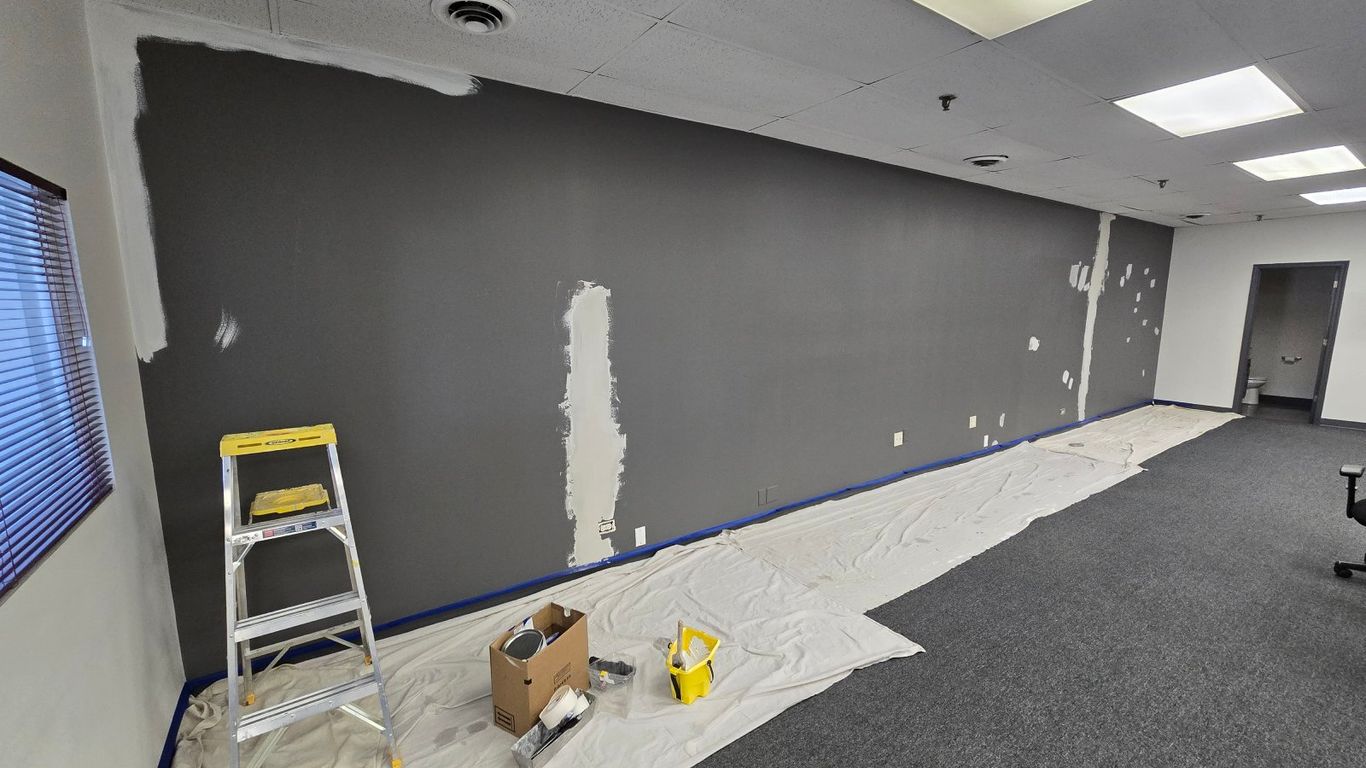
Thinking about giving your home a fresh coat of paint? It’s a big job, and finding the right person to do it can feel like a puzzle. Whether you’re looking to spruce up a single room or give your whole house a facelift, knowing what to look for in a painter near me is key. A good painter doesn’t just slap on color; they prepare surfaces, use quality materials, and pay attention to the details that make a paint job last. Let’s break down what makes a painting contractor a good choice for your next home improvement project.
Key Takeaways
- When searching for a painter near me, check their credentials like licenses and insurance to protect yourself and your home.
- Look at a painter’s past work, like their portfolio and local reviews, to see the quality they deliver.
- Proper surface preparation, including cleaning, sanding, and priming, is just as important as the paint itself for a lasting finish.
- A professional painter can help you choose the right colors and finishes, and they have the specialized tools for tricky jobs.
- Make sure you get a written agreement that clearly outlines the project’s scope, materials, and timeline to avoid surprises.
1. Residential Painting Contractor Near Me
Finding a good residential painting contractor near you can feel like a big task, especially when you want your home to look just right. It’s not just about slapping some paint on the walls; it’s about making sure the job is done well, lasts a long time, and doesn’t cause a huge mess.
When you’re looking for someone to paint your house, think about what really matters. You want someone who knows what they’re doing, has the right tools, and takes pride in their work. A professional painter does more than just apply color; they protect your home and make it look its best.
Here’s a quick rundown of what to look for:
- Credentials: Make sure they are licensed and insured. This protects you if anything goes wrong.
- Experience: How long have they been doing this? A contractor with years of experience likely knows how to handle different situations.
- Portfolio: Ask to see pictures of their past work. This gives you an idea of their quality and style.
- Reviews: Check online reviews from other homeowners. Real feedback can tell you a lot.
- Preparation: A good painter spends a lot of time preparing the surfaces. This includes cleaning, sanding, and priming. It’s a big part of what makes the paint job last.
Sometimes, you might need more than just a basic paint job. A good contractor can also help with things like drywall repair or even suggest color ideas that will work well with your home’s style. They have the specialized equipment, like scaffolding or sprayers, to reach high places safely and apply paint evenly, which is tough to do yourself.
The difference between a DIY paint job and a professional one often comes down to the prep work. Skipping steps like proper cleaning, sanding, and priming can lead to paint peeling or bubbling much sooner than you’d expect. Professionals have the knowledge and tools to get this right the first time.
When you’re comparing options, you might see different price ranges. Remember that the cheapest quote isn’t always the best deal. Think about the quality of materials they use and the thoroughness of their process. For example, a professional exterior paint job might cost between $1,900 and $4,500, but it should last for many years if done correctly. You can often find top-rated painters in your local area by doing a bit of research.
2. Interior And Exterior House Painters
When you need your house painted, inside or out, it’s not just about color. A great paint job protects, preserves, and makes your home more enjoyable to live in. Interior and exterior house painters have different challenges and skills—but you really want someone who can handle both with equal attention to detail.
A few things set the pros apart:
- Proper surface preparation: This means sanding, patching holes, and using primer so the paint sticks and lasts.
- Use of quality products: Pros select the right paints and finishes for each area, ensuring durability and even coverage. High-traffic rooms need a paint that cleans up well, while exteriors demand weather-resistant formulas.
- Efficient, neat process: Professional painters move and cover furniture, tape edges, and always clean up after themselves.
Whether you’re freshening up your living room or giving your siding a facelift, an expert can walk you through the options. For exterior projects, you’ll find that methods like two full coats can make a real difference in longevity and weather protection. (You can read more about details like daily cleanup and prep in this guide to essential aspects of exterior house painting.)
Here’s a quick look at what separates a professional job:
| Task | DIY Approach | Pro Painters |
|---|---|---|
| Prep Work | Often skipped or rushed | Thorough, includes repairs |
| Material Selection | Basic big-box store paint | High-grade, matched to project |
| Cleanliness | Paint splatters, missed spots | Minimal mess, sharp lines |
| Longevity | 1-3 years | 5-10 years (interior/exterior) |
Going the professional route often means your results will last years longer, saving you both money and hassle down the line. If you want reliable, lasting color in every room and curb appeal that doesn’t fade fast, working with experienced interior and exterior house painters really pays off.
3. House Painting Contractors
Finding the right house painting contractors can make a big difference in how your home looks and how long the paint job lasts. It’s not just about slapping some color on the walls; there’s a lot more to it than that. Professionals know how to prep surfaces properly, which is probably the most important step for a paint job that holds up.
When you’re looking for a painting company, here are a few things to keep in mind:
- Credentials: Make sure they are licensed and insured. This protects you if something goes wrong.
- Experience: Look at their past work. Do they have a portfolio you can review? This shows you the quality of their finishes.
- Preparation: Ask them about their prep process. This includes cleaning, sanding, and priming. A good prep job is key to preventing peeling and cracking later on.
- Communication: They should be clear about the project timeline and what to expect.
A professional paint job is an investment in your home’s appearance and protection. It’s more than just aesthetics; it’s about safeguarding your property from the elements and daily wear and tear. They use quality materials and have the right tools to get into those tricky spots, like high ceilings or detailed trim work, ensuring a smooth and even finish that you just can’t get with a DIY approach.
The difference between a good paint job and a great one often comes down to the preparation. Skipping steps like proper cleaning, sanding, and priming can lead to problems down the road, like bubbling or peeling paint. Professionals understand this and dedicate significant time to ensuring the surface is perfect before any paint touches it.
When you hire a professional team, you’re not just paying for paint and labor. You’re paying for their knowledge, their tools, and their commitment to a lasting, quality finish. They can also help with tricky tasks like cabinet refinishing or tackling those accent walls you’ve been dreaming about. It’s about getting a result that looks great and stands the test of time.
4. Interior And Exterior Painting Contractors
When you’re checking out interior and exterior painting contractors, you’re looking for folks who can handle your home, top to bottom, inside and out. It’s not just about picking a color and rolling it on—true professionals manage everything from surface repairs to color transitions to weatherproofing. Whether it’s bringing new life to an aging living room or protecting your siding from the elements, they should be equipped with the right knowledge and tools to do it right.
Here’s what separates solid contractors from the rest:
- They prepare surfaces by fixing cracks, sanding rough spots, and using the right primer for the job.
- For exteriors, they know the best time of year to avoid rain and humidity, and they understand siding, brick, and wood requirements.
- They help with color coordination that matches both your landscaping and indoor aesthetics—for that seamless look.
- Cleanup isn’t an afterthought; a good crew leaves your space cleaner than they found it.
Reliability and proper licensing matter. Many trustworthy contractors invite you to check their portfolios, ask about insurance, and confirm that you get everything in writing—right down to the paint brands and payment schedules. For details about why reputation, insurance, and process matter, take a look at how to choose an experienced painter with clear agreements (detailed written proposals).
| Service Area | Key Skill | Timeline Estimate |
|---|---|---|
| Interior Rooms | Fine finishing, color transitions | 1-5 days (per room) |
| Exterior Walls | Weather resistance, safe access | 3-10 days (whole house) |
A quality contractor helps you avoid the DIY headaches of peeling paint, patchy coverage, and unmatched finishes—and that peace of mind is worth it. No one wants to repaint again next year.
5. Cabinet Refinishing
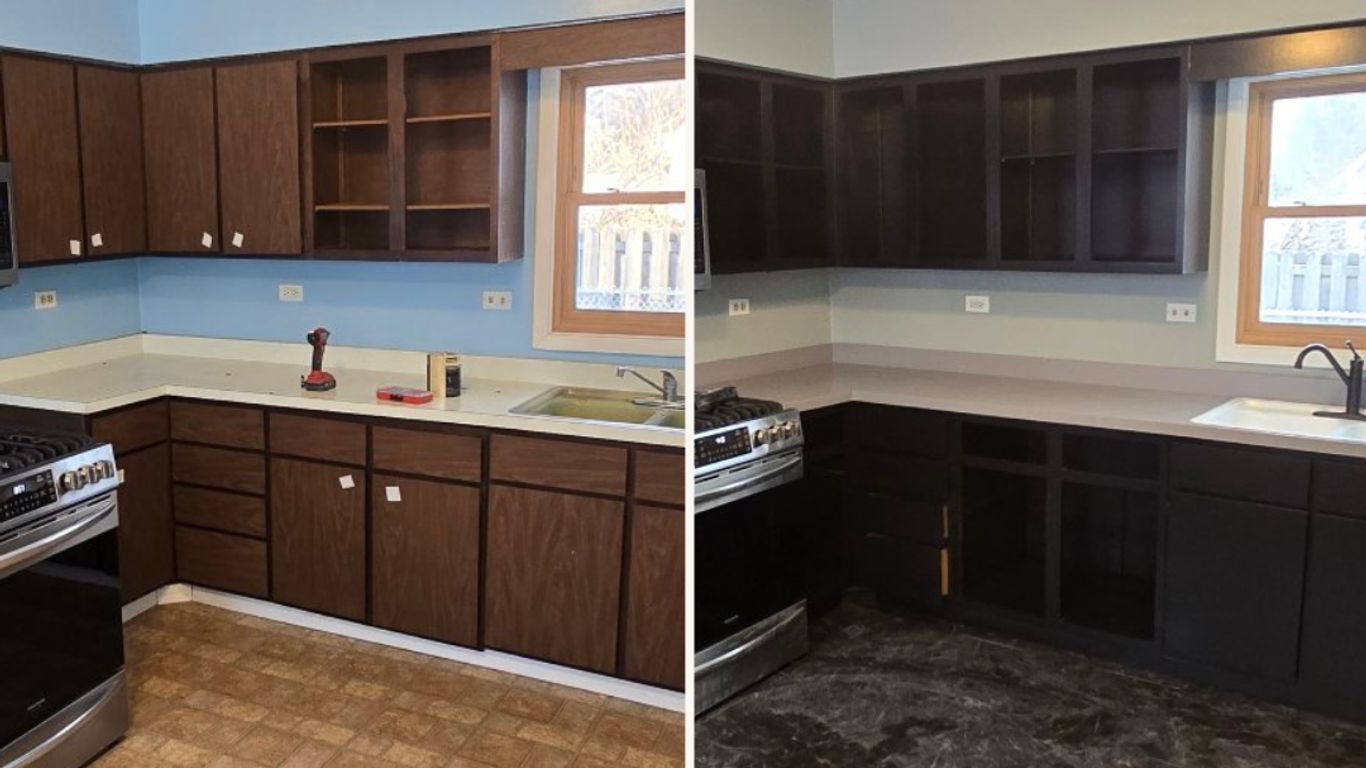
Thinking about giving your kitchen a facelift without the huge cost of a full remodel? Cabinet refinishing might be just the ticket. It’s a fantastic way to update the look of your kitchen by giving your existing cabinets a fresh new appearance. This process can dramatically change the feel of your kitchen, making it look modern and clean.
When you decide to refinish your cabinets, you’re essentially choosing to restore or repaint them. This usually involves cleaning them thoroughly, sanding them down, and then applying a new coat of paint or stain. It’s a detailed job that requires patience and the right materials to get that smooth, durable finish you see in magazines. Professionals have the specialized tools and knowledge to prep surfaces properly, which is key to making sure the new finish lasts.
Here’s a general idea of what the process often involves:
- Preparation is Key: This is probably the most important step. It includes emptying cabinets, cleaning off grease and grime (especially around the stove!), and protecting surrounding areas like countertops and floors with paper and plastic sheeting. Sometimes, doors and drawers are removed for better access.
- Sanding and Priming: Surfaces are sanded to create a good base for the new paint or stain to adhere to. A primer is then applied to ensure even color and better durability.
- Application: This is where the magic happens. Whether it’s spray painting for a factory-smooth finish or careful brushwork, the new color is applied. Multiple thin coats are usually better than one thick one.
- Finishing Touches: Once the paint or stain is dry, hardware is reinstalled, and doors and drawers are put back. A final inspection ensures everything looks just right.
Refinishing your cabinets is more than just slapping on some paint. It’s a meticulous process that, when done right, can make your kitchen look brand new. It’s a smart choice for homeowners looking for a significant aesthetic upgrade without the disruption and expense of a complete overhaul. You can find trusted local cabinet refinishing professionals to help with your project. Find and hire top-rated local professionals.
While a DIY approach is possible, hiring professionals ensures a high-quality, long-lasting result. They use specific techniques and industrial-grade coatings that are hard to replicate at home, preventing issues like chipping or peeling down the line. It’s a worthwhile investment if you want your kitchen to look its best for years to come.
6. Drywall Repair Services
If you’ve ever stared at a ding in the wall or a nail pop after moving a picture, you know how irritating those imperfections can be. Drywall repair isn’t just about patching holes—it’s about restoring your walls to a smooth, flawless state, ready for new paint. Even a tiny crack or bump can stand out once you put fresh color on the wall.
Most professional painting jobs start with a thorough inspection of the drywall. Not every painter handles drywall repairs with the same attention to detail—so it’s worth finding someone who takes this phase seriously. Qualified painters can:
- Patch small nail or screw holes, cracks, and accidental dents.
- Fix larger areas with water damage or old repairs that didn’t quite blend in.
- Sand, prime, and feather repairs so they’re completely invisible under the final coat.
For trickier issues like water stains or sagging ceilings, some jobs require whole panel replacements or careful ceiling drywall installation. Pros also handle matching existing wall textures—orange peel, knockdown, or a flat surface—so repairs disappear once painted. True experts even take on prepping and sanding as a standard part of every painting job, ensuring the paint lasts for years. For bigger or specialty work, it’s worth reaching out to those focused on excellent drywall finishes and repairs in your local area.
Here’s a quick look at the most common drywall fixes and how long they usually take:
| Repair Type | Typical Time Required |
|---|---|
| Small crack or nail hole | Less than 1 hour |
| Medium patch (4–6 inches) | 1–2 hours (includes dry time) |
| Water damage repair | 1–2 days |
| Full panel replacement | 1–2 days |
When drywall repairs are skipped or rushed, you end up with obvious seams, lumps, or even new cracks—making the final result look cheap, no matter how good the paint. Taking care of the repairs first means your paint job will look smoother and stay that way longer.
Next time you’re planning a paint refresh, don’t overlook the importance of getting drywall repairs done the right way before rolling out any color. It makes a huge difference in how professional the results turn out.
7. Interior Doors
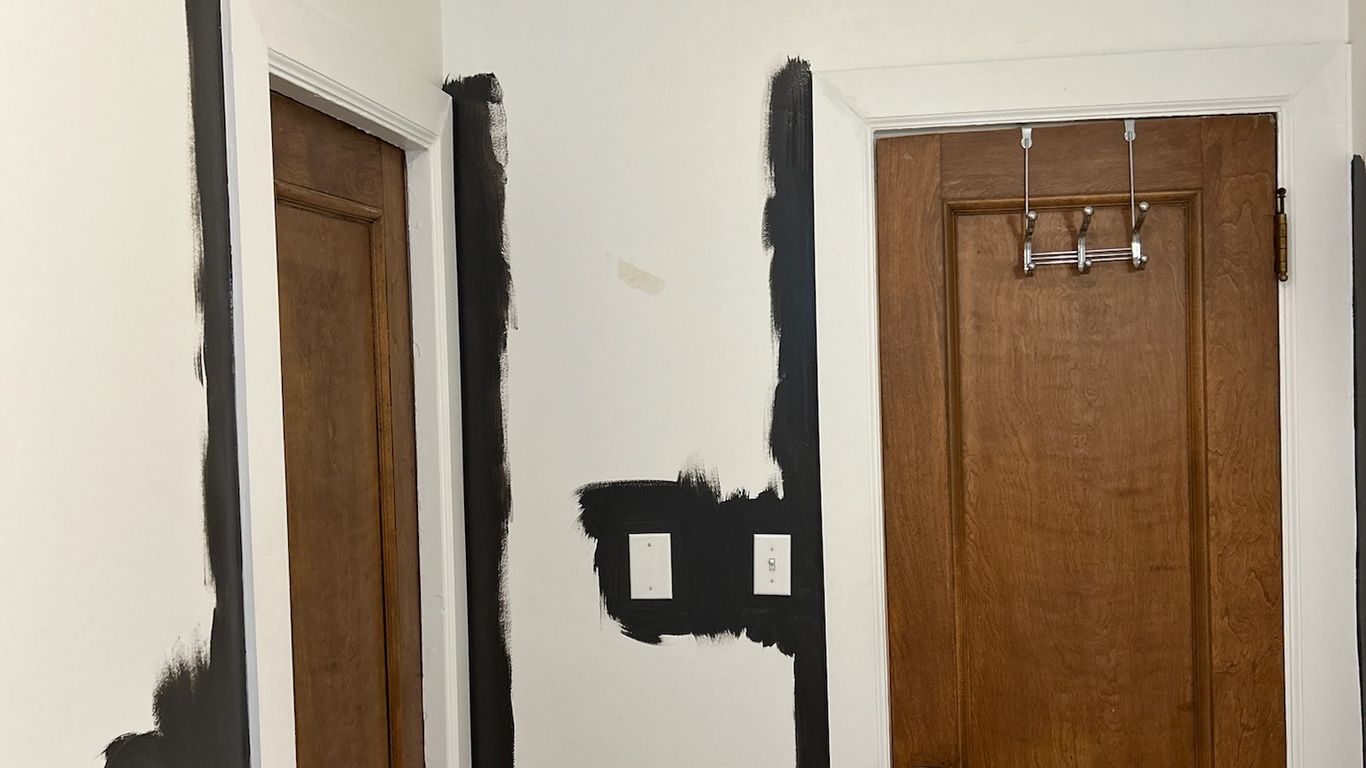
Don’t forget about your interior doors when you’re thinking about a home refresh. They get a lot of wear and tear, and a fresh coat of paint can make a surprising difference in how your whole house looks and feels. It’s not just about slapping some paint on; it’s about making sure they look good and hold up to daily life.
A professional painter can transform your interior doors, giving them a smooth, durable finish that complements your home’s overall style. They know how to properly prepare the surface, which is key. This usually involves cleaning, sanding, and priming to ensure the paint sticks well and looks even. Whether you have simple flat doors or more detailed panel doors, the technique matters.
Here’s what goes into getting your interior doors looking their best:
- Surface Preparation: This is the most important step. It includes cleaning off any grime, filling small dents or scratches, and sanding the surface smooth. For a really good finish, especially on older doors, a primer is a must.
- Hardware Removal: Most painters will remove doorknobs, hinges, and other hardware before painting. This prevents paint from getting on them and ensures a clean edge where the hardware meets the door.
- Application Method: Professionals often use sprayers for a super smooth, factory-like finish, especially on panel doors. For other types, they might use high-quality rollers and brushes to avoid drips and brush marks.
- Paint Choice: Using the right type of paint, usually a durable enamel, is important. These paints are designed to withstand scuffs and fingerprints, making them ideal for high-traffic areas.
Painting interior doors can really tie a room together, especially when you match or complement the trim color. It’s a detail that often gets overlooked, but it adds a polished look to hallways and entryways.
When you’re looking for painting services near you, make sure to ask about their process for interior doors. A good painter will explain how they prep and finish them to ensure a lasting, attractive result that brightens up your home’s interior spaces.
8. Accent Walls
Accent walls are a fantastic way to add a pop of personality and visual interest to any room without committing to a full room color change. Think of it as a focal point, a way to draw the eye and define a space. Maybe it’s the wall behind your bed, the one behind the TV, or even a wall in your entryway that you want to make more welcoming.
Choosing the right wall and the right color is key to making an accent wall work for your space. A bold color can make a small room feel more intimate, or a subtle texture can add depth to a large, open area. It’s a relatively simple project that can have a big impact on your home’s overall feel.
Here are a few ideas for accent walls:
- Bold Color: A vibrant hue that contrasts with the other walls can create a dramatic statement.
- Textured Finish: Think about a subtle plaster effect or a unique paint technique that adds dimension.
- Wallpaper: A patterned or textured wallpaper can instantly transform a wall into a work of art.
- Geometric Patterns: Using tape to create sharp lines and geometric shapes can add a modern touch.
When you’re looking for painters for a project like this, remember that even small jobs require skill. Getting clean lines and a smooth finish on an accent wall, especially with dark or vibrant colors, needs careful prep work and multiple coats. It’s not just about slapping paint on; it’s about making sure the surface is ready and the application is precise. This is where professional painters really shine, turning a simple idea into a polished feature. You can find affordable painters for small jobs like accent walls by considering factors beyond just price, like their experience with feature painting and attention to detail.
A well-executed accent wall can completely change the mood of a room. It’s a chance to be a little more adventurous with color or pattern than you might be on all four walls. It’s a design element that adds character without overwhelming the space.
9. Exterior Painting Services
The outside of your home is its first line of defense against the elements. A good exterior paint job doesn’t just make your house look nice; it actually protects your siding, trim, and foundation from moisture, sun damage, and general wear and tear. When it’s time to refresh your home’s exterior, hiring professionals is a smart move.
Getting the exterior of your home painted is a significant investment, and you want it done right. This means more than just slapping on a new coat of paint. It involves careful preparation, using the right materials for your specific home’s exterior, and skilled application to ensure a finish that lasts.
Here’s what goes into a quality exterior painting project:
- Surface Preparation: This is arguably the most important step. It includes washing the exterior to remove dirt, mildew, and chalking paint. Loose or peeling paint is scraped away, and any cracks or holes in the siding or trim are repaired. Sanding creates a smooth surface for the new paint to adhere to, and priming seals the surface and ensures even color.
- Material Selection: Different siding materials (wood, vinyl, stucco, brick) require different types of paint and primers. Professionals know which products will best protect your specific home and provide the desired finish.
- Application: Whether by brush, roller, or sprayer, the paint needs to be applied evenly and at the correct thickness. This is especially important for achieving a uniform look on large surfaces and for protecting against weather.
- Trim and Details: Windows, doors, railings, and decorative elements require careful attention to detail for a polished look.
When is it time to repaint? Generally, most homes benefit from an exterior repaint every 5 to 10 years. However, factors like the type of siding, the amount of sun exposure, and the local climate can shorten or lengthen this timeframe. Keep an eye out for signs like fading, chalking, peeling, or cracking paint. If you’re unsure, it’s always a good idea to get a professional opinion. You can find and hire top-rated local exterior painters with verified customer reviews to help you with this important task. Finding the right exterior painter is crucial for home improvement.
A professional exterior paint job not only boosts your home’s curb appeal but also adds a layer of protection against weather damage, potentially saving you from more costly repairs down the line. It’s about preserving your home’s value and appearance for years to come.
10. Color Consultation
Picking the right paint color can feel like a big decision, and honestly, it is. It sets the mood for your whole room, maybe even your whole house. That’s where a color consultation comes in handy. It’s not just about picking a pretty shade; it’s about understanding how colors work together, how light affects them, and what will look best in your specific space.
Think about it: a color that looks amazing in the paint store might look totally different on your walls, especially when the sun hits it or when you turn on your lamps. A professional can help you avoid those "oops" moments. They know about color theory, the psychology of color, and how different finishes (like matte or satin) change the look.
Here’s what you can expect during a consultation:
- Surface Assessment: The painter will look at your walls, trim, and any existing features to see what colors would complement them.
- Light Study: They’ll consider the natural and artificial light in your rooms throughout the day.
- Style Matching: Discussing your home’s overall style and your personal preferences to find colors that fit.
- Sample Presentation: Showing you actual paint samples on your walls, not just tiny chips, so you can see the true effect.
Getting expert advice can save you time, money, and the headache of repainting. It’s a smart step to ensure your home’s new look is exactly what you envisioned. A good painting contractor will have years of local expertise to guide you through the process, making sure the final result is something you’ll love for years to come.
Choosing the right color is more than just a personal preference; it’s about creating an atmosphere that enhances your living space. A professional consultation helps translate your vision into a tangible, beautiful reality, considering factors you might overlook on your own.
Choosing the right colors for your home can be tricky. Our color consultation service helps you pick the perfect shades to make your space look amazing. We’ll guide you through the process to ensure you love the final look. Ready to find your perfect color palette? Visit our website to learn more and schedule your consultation today!
Wrapping It Up
So, finding the right painter for your home project doesn’t have to be a headache. Remember to check their credentials, look at their past work, and see what other people are saying. A good painter will talk through the whole process, especially the prep work, and give you a clear plan. It might seem like a lot, but taking these steps means you’ll end up with a paint job you’ll love for years, not one you’ll regret next season. Happy painting!
Frequently Asked Questions
What makes a good house painter?
A great house painter is licensed, insured, and has lots of experience. They should also show you examples of their past work, like pictures of houses they’ve painted. Reading reviews from other homeowners is also a smart way to see if they do a good job.
Do painters help pick colors?
Yes, many professional painters offer color consultation. They can help you choose the best colors and finishes for your home, considering things like lighting and the overall style you want.
What’s the difference between interior and exterior painting?
Interior painting focuses on making the inside of your home look nice and protecting the walls. Exterior painting is about protecting your home’s outside from weather like rain and sun, making it look good too.
Why is preparation important for painting?
Proper preparation is super important! It means cleaning surfaces, fixing any holes or cracks, and putting on primer. This makes the paint stick better and last much longer, preventing peeling or bubbling later on.
Can painters fix drywall?
Absolutely. Most professional painting services include drywall repair. They can patch holes, fix cracks, and sand the area smooth so it looks like new before they paint.
How long does it take to paint a room?
A typical room can often be painted in one to two days. This includes time for prep work, applying coats of paint, and letting them dry properly. Bigger jobs or more complex details might take a bit longer.