
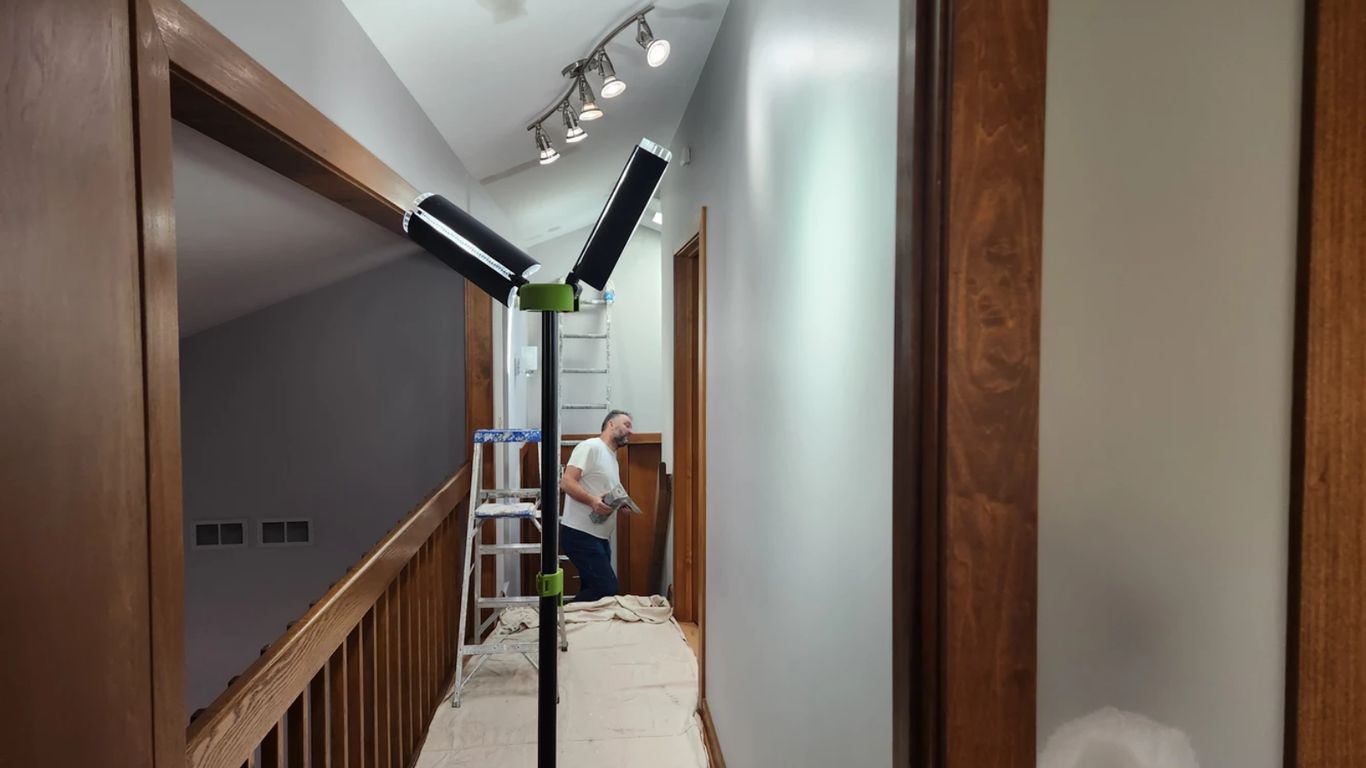
Finding the right commercial painter is a big deal for any business. It’s not just about making your building look nice; it’s about protecting your investment and making a good impression. A good painter can handle all sorts of jobs, from the inside of your office to the outside of a warehouse. But how do you pick the best one? We’ll break down what to look for, from their qualifications to how they work, so you can get a paint job that lasts and looks great.
Key Takeaways
- A commercial painter does more than just apply paint; they protect your property and help with your brand image. They use special skills and materials for business buildings.
- Always check if a commercial painter is licensed and insured. Look at their past work and make sure they have a good safety record.
- Good painters know about different types of equipment and coatings. They also know how to prepare surfaces properly for a lasting finish.
- To keep your business running smoothly, a painter should offer flexible scheduling and work in phases to minimize disruption. They should also keep the site clean.
- Clear communication, detailed bids, and professional service are important. Also, consider painters who use eco-friendly products and sustainable practices.
Understanding the Role of a Commercial Painter
When you’re looking to hire someone to paint your business, it’s easy to think it’s just about picking a color and getting it on the walls. But a commercial painter does a lot more than just apply paint. They’re really professionals who understand how to protect your property and make it look good, which is important for your business’s image.
Beyond Aesthetics: Property Protection and Brand Image
Think about it: the outside of your building is the first thing people see. Peeling paint or faded colors can make a business look run-down, and that’s not the message you want to send. A good paint job acts like a shield for your building, protecting it from weather, wear, and tear. It’s not just about looking nice; it’s about preserving your investment. Plus, the colors and finish you choose play a big part in your brand. A consistent look across all your locations, or a fresh, modern appearance for your storefront, helps people recognize and remember your business. It’s a visual cue that says you care about quality and professionalism.
Specialized Services for Business Facilities
Commercial painters deal with a wider range of surfaces and challenges than residential painters. They’re used to working with different materials like metal, concrete, and specialized industrial coatings. This means they know which products will hold up best in high-traffic areas or harsh environments. They also have the right tools and techniques for large-scale projects, like using lifts to reach high exteriors or specialized sprayers for smooth, even finishes on large walls. This kind of work requires a different level of skill and equipment.
Distinguishing Commercial from Residential Painting
There are some big differences between painting a house and painting a business. For starters, commercial projects are often much larger and can involve more complex structures.
- Scale: Businesses usually have bigger spaces, both inside and out.
- Materials: Commercial-grade paints and coatings are built to last longer and withstand more abuse than typical house paints.
- Scheduling: Commercial painters often need to work around business hours, meaning nights, weekends, or even phased projects to keep your business running smoothly.
- Safety: Commercial painters must follow stricter safety regulations, like OSHA standards, especially when working at heights or with specialized equipment.
The right painting contractor commercial clients hire can make or break the look, safety, and value of a business property. Whether you run a retail store, manage an office complex, or oversee a large industrial facility, the right painting team delivers results that go far beyond a fresh coat of color.
Choosing a professional commercial painter means you’re getting someone who understands these unique demands. They have the experience and the tools to get the job done right, protecting your property and presenting your business in the best possible light. You can find painters who specialize in commercial work by looking at their portfolio of past projects.
Key Qualifications for Your Commercial Painter
When you’re looking for someone to paint your business, you can’t just pick anyone. You need a pro who knows the ins and outs of commercial work. This isn’t like painting your living room; it’s a bigger deal with more at stake. So, what should you be looking for? Let’s break it down.
Verifying Licensing and Insurance
This is a big one, seriously. You absolutely need to make sure any painter you consider is properly licensed and insured. Why? Because it protects you. A licensed painter has met certain standards and is legally allowed to do the work. Insurance is even more critical. It covers things like accidental damage to your property or injuries to the crew while they’re on your site. Without it, you could be on the hook for a lot of money if something goes wrong. Always ask for proof of both before you sign any contract.
- General Liability Insurance: This covers damage to your property. If a painter accidentally knocks over a valuable piece of equipment or damages a wall, this insurance should handle the repair costs.
- Workers’ Compensation Insurance: This is for the painters themselves. If one of their workers gets hurt on your property, this insurance covers their medical bills and lost wages, so you don’t have to.
- Valid Business License: This shows they are a legitimate business operating legally in your area.
Never skip this step. It’s the first line of defense for your business and your investment.
Assessing Experience and Portfolio
Experience matters. A painter who has been doing commercial work for a while likely has a better handle on the unique challenges that come with business properties. They’ve probably seen it all – different building materials, tricky access points, and the need to work around your daily operations. Ask them how long they’ve been in business and specifically how much of that has been focused on commercial projects. A strong portfolio is also key. This is their visual resume. Look for examples of work similar to your project – the size, the type of building, and the finishes. A painter who can show you high-quality work on similar jobs gives you a much better idea of what to expect. You can often find examples of their past projects on their website or by asking for references.
Evaluating Safety Records and Compliance
Commercial painting often involves working at heights, using specialized equipment, and dealing with active business environments. This means safety has to be a top priority. A good commercial painter will have a solid safety plan in place and adhere to all relevant regulations, like OSHA standards. Ask about their safety protocols. Do they have regular safety meetings? How do they train their crew on safe equipment operation? A painter with a history of accidents or safety violations is a major red flag. You want a team that prioritizes the well-being of their workers and anyone else on your property. This commitment to safety is a sign of a professional and responsible company. Commercial painting contractors often have specific certifications and training that residential painters might not. Checking these credentials can save you a lot of trouble down the line.
Assessing a Commercial Painter’s Technical Expertise
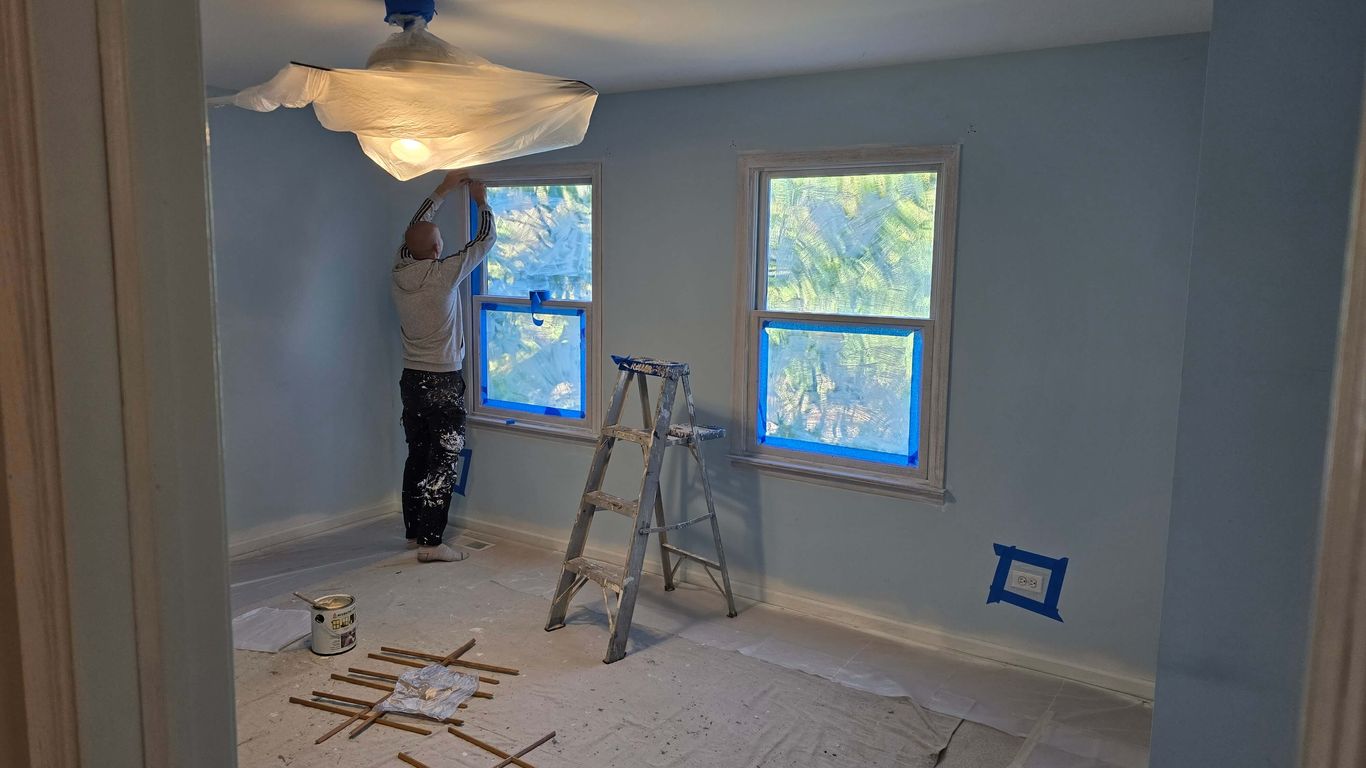
When you’re looking for a commercial painter, it’s not just about picking a color. You need someone who really knows their stuff when it comes to the actual painting process. This means looking beyond just a nice portfolio and digging into their technical skills.
Understanding Specialized Equipment and Materials
Commercial painting often involves more than just brushes and rollers. Think about high ceilings in a lobby or the exterior of a tall building. A good painter will have access to and know how to use specialized equipment like aerial lifts, scaffolding, and industrial-grade sprayers. They should also be knowledgeable about different types of paints and coatings. Not all paint is created equal, and the right material can make a huge difference in how long the paint job lasts and how well it holds up to wear and tear. For instance, some surfaces might need specific primers or coatings designed for metal, concrete, or high-traffic areas. Asking about the equipment they use and the materials they recommend shows they’re thinking about the long-term performance of the job, not just the immediate look. It’s like fixing a leaky faucet; you need the right wrench, not just any old tool.
Exploring Advanced Coating Technologies
The painting industry is always coming up with new stuff. You’ll want a painter who stays up-to-date with these advancements. This could include things like antimicrobial coatings for places like gyms or healthcare facilities, or super-durable, scuff-resistant paints for busy office hallways. They might also use reflective roof coatings that can help lower energy costs. A painter who knows about these advanced options can suggest solutions that offer more than just a fresh coat of paint; they can add real value to your property. It’s worth asking if they have experience with any of these newer technologies. You can find out more about different painting careers and the skills involved here.
Ensuring Proper Surface Preparation and Repair
This is probably the most important part of any paint job, commercial or otherwise. A painter can use the most expensive paint in the world, but if the surface isn’t prepped right, the paint won’t stick properly and will start to fail quickly. This means they need to be skilled at things like cleaning surfaces thoroughly, repairing any cracks or holes in drywall, sanding down rough spots, and applying the correct primer. For exteriors, this might involve power washing or dealing with peeling paint. A painter who skimps on prep work is setting you up for problems down the road. A truly professional painter will spend as much, if not more, time on preparation as they do on the actual painting.
When you’re evaluating a painter’s technical skills, don’t be afraid to ask detailed questions about their process. How do they handle different types of surfaces? What steps do they take to prepare walls before painting? What kind of warranty do they offer on their work? Their answers will tell you a lot about their level of competence and commitment to quality.
Ensuring Minimal Disruption During Your Project
When you run a business, time really is money. The last thing you need is a painting project that shuts down your operations or makes it hard for your staff and customers to get around. Professional commercial painters get this. They know how to work efficiently and smartly so your business can keep running with as little interruption as possible. The goal is to have a freshly painted space without feeling like your whole world stopped.
Flexible Scheduling for Business Continuity
One of the biggest ways painters minimize disruption is by being flexible with their schedule. They understand that your business has peak hours and slow times. Many commercial painting companies can work around your schedule, which might mean:
- Night Shifts: Painting can happen after everyone has gone home for the day.
- Weekend Work: Projects can be scheduled for Saturdays and Sundays when you’re typically closed or have fewer people on-site.
- Holiday Projects: For major renovations or deep cleans, painting can be done during holiday closures.
This kind of planning means that when your doors open, the paint is dry, the equipment is gone, and your business is ready for the day. It’s about getting the job done without impacting your daily workflow. You can find contractors who are experienced in scheduling work during off-hours to ensure minimal impact.
Phased Execution Strategies
Sometimes, a project is too big to do all at once without causing a major headache. In these cases, good painters will use a phased approach. This means they’ll tackle one section of your building or facility at a time. For example, they might paint one floor of an office building while the other floors remain fully operational. Or, they might paint one wing of a retail space while keeping the rest of the store open for shoppers. This strategy allows your business to keep functioning, perhaps by shifting staff or operations to unaffected areas, so productivity doesn’t completely halt.
Maintaining Site Tidiness and Safety
Even during the painting process, a professional crew will work hard to keep the site clean and safe. This isn’t just about making things look good; it’s about preventing accidents and making sure your employees and customers can move around without tripping over equipment or getting paint on themselves. You can expect them to:
- Contain Dust: Use drop cloths and plastic sheeting to protect surfaces and control dust.
- Organize Materials: Keep tools and supplies neatly stored in designated areas, out of walkways.
- Clear Pathways: Ensure emergency exits and main thoroughfares remain accessible at all times.
A clean and organized worksite is a sign of a professional operation. It shows respect for your business environment and helps prevent unexpected issues that could slow down the project or cause problems.
When you’re looking for a painting contractor, ask them specifically how they plan to manage the project to keep your business running smoothly. Their answers will tell you a lot about their experience and commitment to minimizing disruption. This careful planning is a key part of professional commercial painting.
Communication and Professionalism in Commercial Painting
When you’re looking for a commercial painter, how they talk to you and act throughout the process matters a lot. It’s not just about the paint job itself; it’s about the whole experience. A good painter will be clear from the start, making sure you know exactly what you’re getting and what it will cost.
Clear Communication and Detailed Bids
A painter who provides a detailed bid is a painter who respects your business. This bid should break down everything: the surfaces to be painted, the type of paint and primer, the preparation steps, and the timeline. It shouldn’t just be a lump sum. You want to see that they’ve thought through the project. This level of detail helps avoid surprises down the road. It also shows they’ve done their homework on your specific needs.
Here’s what a good bid might look like:
| Item | Description |
|---|---|
| Surface Area | Square footage of walls, ceilings, trim |
| Surface Preparation | Cleaning, patching, sanding, priming |
| Paint Type | Brand, finish (e.g., satin, eggshell), VOC level |
| Number of Coats | Typically two coats for even coverage |
| Labor | Estimated hours and crew size |
| Project Timeline | Start date, completion date, key milestones |
| Cleanup | Daily site tidiness and final removal |
Responsiveness and Project Management
How quickly do they get back to you when you have a question? Do they keep you updated on the project’s progress? These are signs of good project management. A painter who is hard to reach or doesn’t provide updates can make a project feel stressful. You want a partner who is proactive. They should be able to manage their crew effectively and keep the project on track. This includes coordinating schedules and materials so everything runs smoothly. You can assess their communication style during initial interviews when selecting a commercial painting contractor.
Professionalism and Customer Service
Professionalism goes beyond just showing up on time. It’s about how the crew conducts themselves on your property. Are they respectful of your space? Do they clean up after themselves each day? A professional team understands that they are working in your business environment. They should minimize noise and disruption as much as possible. Their goal is to leave your space looking better, not just painted, but also tidy and safe. This attention to detail reflects well on your business too, showing that you care about your property and operations. Professional commercial painting contractors aim to reinforce your company’s image through their work and conduct.
A painting contractor’s professionalism is evident in their clear communication, detailed proposals, and respectful on-site conduct. They manage the project efficiently, keeping you informed and minimizing disruption to your daily operations. This approach builds trust and ensures a positive experience from start to finish.
Considering Environmental Impact and Material Choices
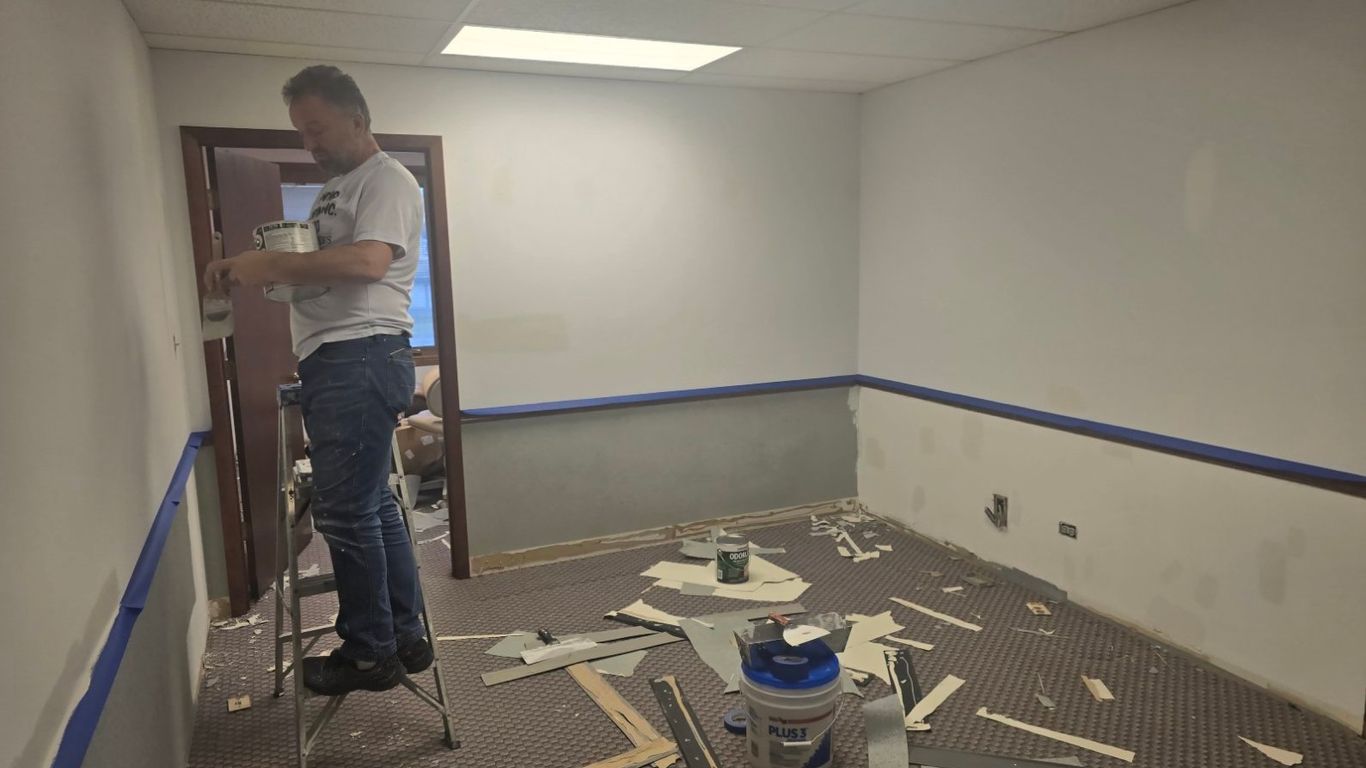
When you’re getting a commercial space painted, it’s not just about how it looks when the job is done. You also have to think about what goes into the paint and how it affects the people inside and the world outside. Choosing the right materials can make a big difference.
Low-Odor and Zero-VOC Products
That strong paint smell? It’s usually from Volatile Organic Compounds, or VOCs. These can be pretty unpleasant and even cause headaches or other health issues for your employees and customers, especially in enclosed spaces. Many modern paints are formulated to have very low or even zero VOCs. This means you can get a fresh coat of paint without that lingering, harsh odor, allowing your business to get back to normal operations much faster. It’s a win-win for comfort and health.
Sustainable Practices and Green Building Standards
More and more businesses are looking to be eco-friendly. This includes the materials used in renovations and upkeep. When you work with a painting contractor, ask about their approach to sustainability. This could mean using paints made with recycled content, minimizing waste during the project, or even using products that contribute to green building certifications. It shows a commitment to responsible business practices.
High-Durability and Eco-Friendly Coatings
It might seem like a trade-off, but you can have both durability and eco-friendliness. Many manufacturers are developing coatings that are tough, long-lasting, and made with the environment in mind. These paints can withstand more wear and tear, meaning they won’t need to be repainted as often. Less frequent painting means less material used and less waste over time. Look for options that are specifically designed for commercial use, offering protection against scuffs, moisture, and fading, all while being kinder to the planet. You can find some great options from brands committed to eco-friendly paint solutions.
When we paint your home, we think about the planet. We pick materials that are good for the environment and safe for your family. We want our work to look great and also be kind to the earth.
Want to learn more about how we make eco-friendly choices? Visit our website today!
Wrapping It Up
So, finding the right commercial painter might seem like a big task, but it’s totally worth the effort. A good painter doesn’t just slap on some color; they protect your building, make it look sharp, and can even help your business stand out. Remember to check their licenses, look at their past projects, and make sure they communicate clearly. Taking these steps means you’ll end up with a paint job that looks great and lasts for a long time, making your business look its best.
Frequently Asked Questions
What’s the main difference between a commercial painter and a regular house painter?
Commercial painters handle bigger jobs for businesses, like offices or stores. They often use special tools for high places and tougher paints that last longer. They also have to follow stricter safety rules than painters working on houses.
Why is it important for my business to hire a good commercial painter?
A professional paint job makes your business look good to customers and can even protect your building from weather. It helps build a strong brand image and shows you care about your property. A bad paint job can make people think less of your business.
What should I look for when choosing a commercial painting company?
Make sure they are licensed and insured, meaning they have the right paperwork and protection if something goes wrong. Also, check out their past work (their portfolio) to see if they’ve done similar jobs and if they have good reviews. Good communication is key too!
How can a painting company work on my business without causing too much trouble?
Good painters plan ahead. They can work during times when your business is closed, like at night or on weekends. They might also paint one section at a time so you can keep operating in other areas. They also clean up well after themselves.
Do commercial painters use special kinds of paint?
Yes, they often use paints that are tougher and last longer, like those made for metal or concrete. They might also use paints that don’t smell as much or have fewer harmful chemicals, which is better for people working or visiting inside.
What kind of preparation does a commercial painter do before painting?
They do a lot more than just slap paint on the wall! They clean the surfaces really well, fix any holes or cracks, and often use a special coat called primer to make sure the new paint sticks properly and looks great. This prep work is super important for a long-lasting finish.