
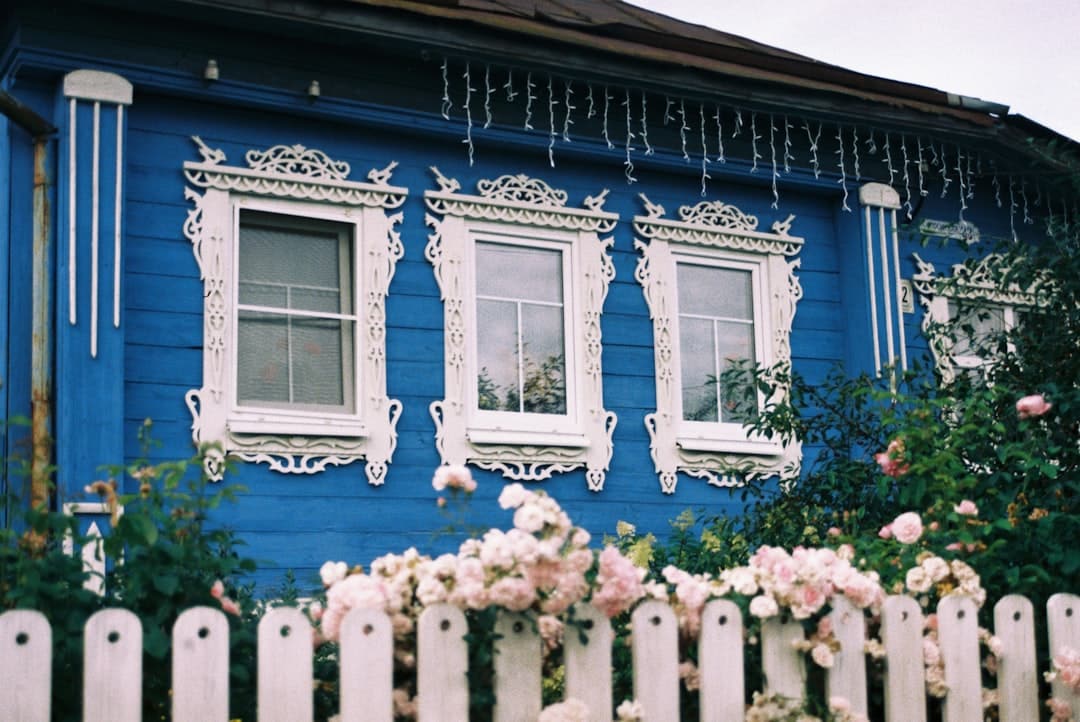
Why Choosing the Right House Outer Wall Paint Matters
House outer wall paint is more than cosmetic; it’s your home’s first line of defense against weather, UV rays, and time. A quality exterior paint job can last 7-10 years, but only with the right products and proper surface preparation.
Quick Answer: Best Exterior House Paint Options
For most homeowners, the best exterior house paint will be:
- Acrylic latex paint – Most versatile, excellent durability, easy cleanup
- 100% acrylic formulation – Superior weather resistance and flexibility
- Semi-gloss or satin finish for trim and doors
- Flat or satin finish for main siding
- Quality brands like Sherwin-Williams, Benjamin Moore, or Behr with UV and mildew resistance
Choosing an exterior paint is a major decision. It protects your biggest investment from moisture, cracking, and fading. The right paint boosts curb appeal, increases value, and prevents costly repairs.
The challenge is the overwhelming number of options. Different types, finishes, and brands are formulated for specific surfaces, climates, and challenges like mildew.
This guide simplifies the process. We’ll cover selecting the right paint and finish, choosing colors, and mastering the prep and application techniques for a lasting, professional-quality result.
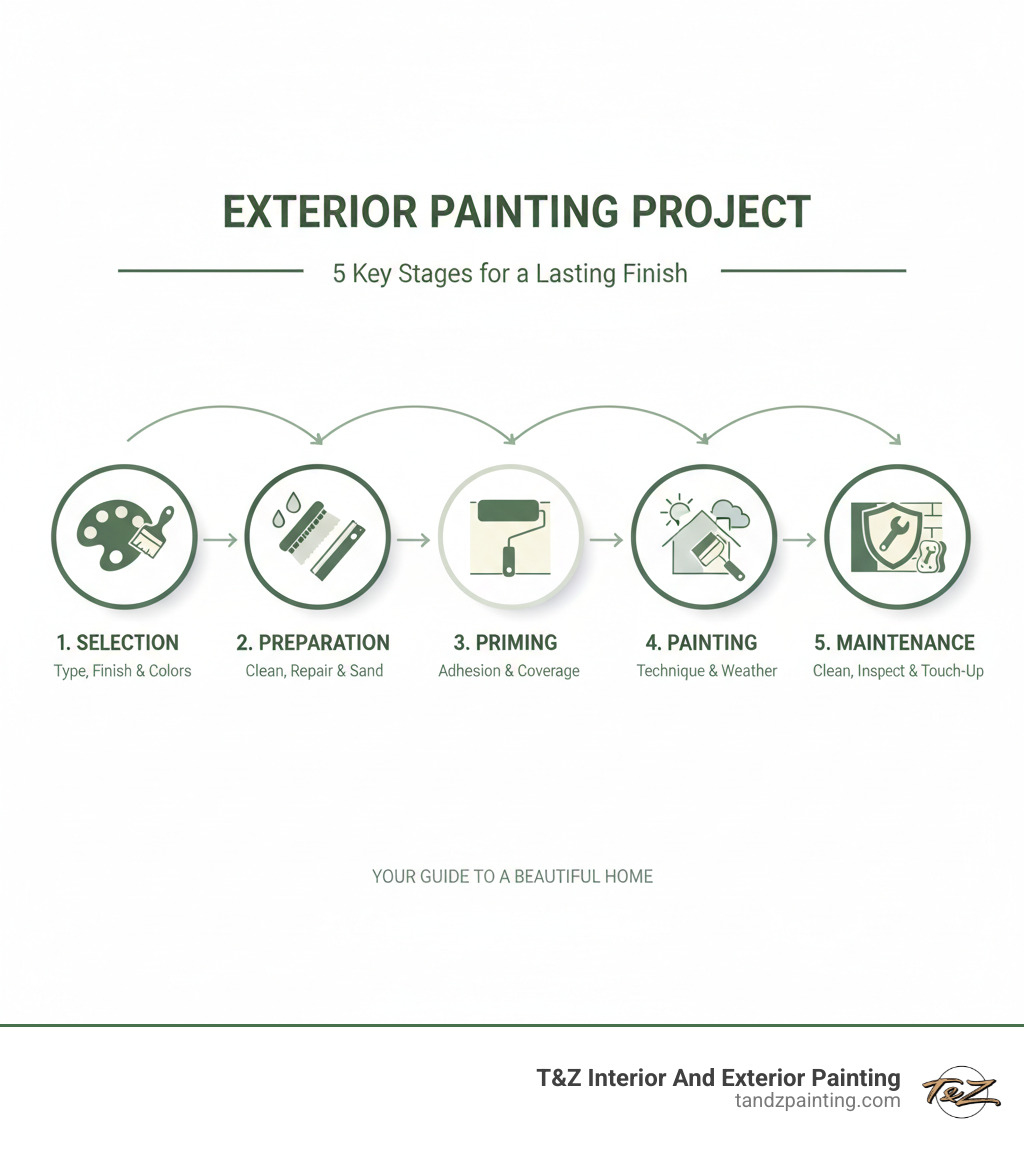
Selecting the Right Coating: Paint, Stain, and Finishes
Choosing the right coating is critical for your exterior painting project. It’s not just about color; it’s about understanding how different coatings protect your home from weather, UV rays, and time. The coating must match your surface material and local climate to ensure it looks great for years.
Paint vs. Stain: What’s the Difference?
Paint and stain both protect exterior surfaces, but they work differently. Paint forms a solid, protective film on top of a surface, covering the grain. Stain penetrates the wood, allowing the natural grain to show through while still offering protection.
| Feature | Exterior Paint | Exterior Stain |
|---|---|---|
| Appearance | Forms a solid film, completely covers wood grain | Penetrates wood, allows wood grain to show through (clear, semi-transparent, opaque) |
| Protection | Excellent against UV, moisture, and wear; forms a hard, protective layer | Good UV and moisture protection, especially opaque stains; less film-forming than paint |
| Application | Typically requires primer, two topcoats; can be applied to many surfaces | Often no primer needed; one to two coats; best on wood surfaces |
| Durability | Lasts longer (7-10 years), more resistant to peeling/flaking | Shorter lifespan (2-5 years depending on type); may need more frequent reapplication |
| Best Use Cases | Siding, trim, doors, stucco, brick, metal, composite | Decks, fences, outdoor furniture, wood siding where natural grain is desired |
For most house outer wall paint projects involving siding, stucco, brick, or trim, paint is the best choice for its superior protection and longevity. Reserve stain for decks, fences, or wood siding where you want to showcase the natural grain.
How to Choose the Right House Outer Wall Paint Type
When selecting house outer wall paint, you’ll primarily choose between acrylic, latex, and oil-based paints.
Acrylic paint is the top choice for exterior painting. Modern acrylic latex paints offer water-based convenience with excellent durability. Their 100% acrylic binders provide incredible flexibility, allowing the paint to expand and contract with temperature changes. This prevents fading, peeling, and blistering. Acrylic paint is also easy to clean up with water, has low VOCs, and works well on wood, vinyl siding, stucco, and masonry.
Latex paint (true water-based latex) is a more budget-friendly option. It dries quickly, cleans up with water, and is suitable for moderate climates on surfaces like aluminum, wood, and brick. However, it may not be as durable as 100% acrylic formulations in severe weather.
Oil-based paint is a traditional workhorse known for creating an incredibly hard, smooth finish. This makes it ideal for high-traffic areas like porch floors, steps, and metal handrails. It offers superior adhesion, which is useful on rust-prone surfaces. The downsides include a longer drying time, strong odor, eventual yellowing, and the need for mineral spirits for cleanup. It can also become brittle in extreme temperatures. An oil-based primer is excellent for preventing tannin bleed on woods like cedar or redwood.
For most exterior siding, we recommend a high-quality acrylic latex paint for its blend of flexibility, weather resistance, and easy maintenance.
Choosing the Perfect Sheen for Siding, Trim, and Doors
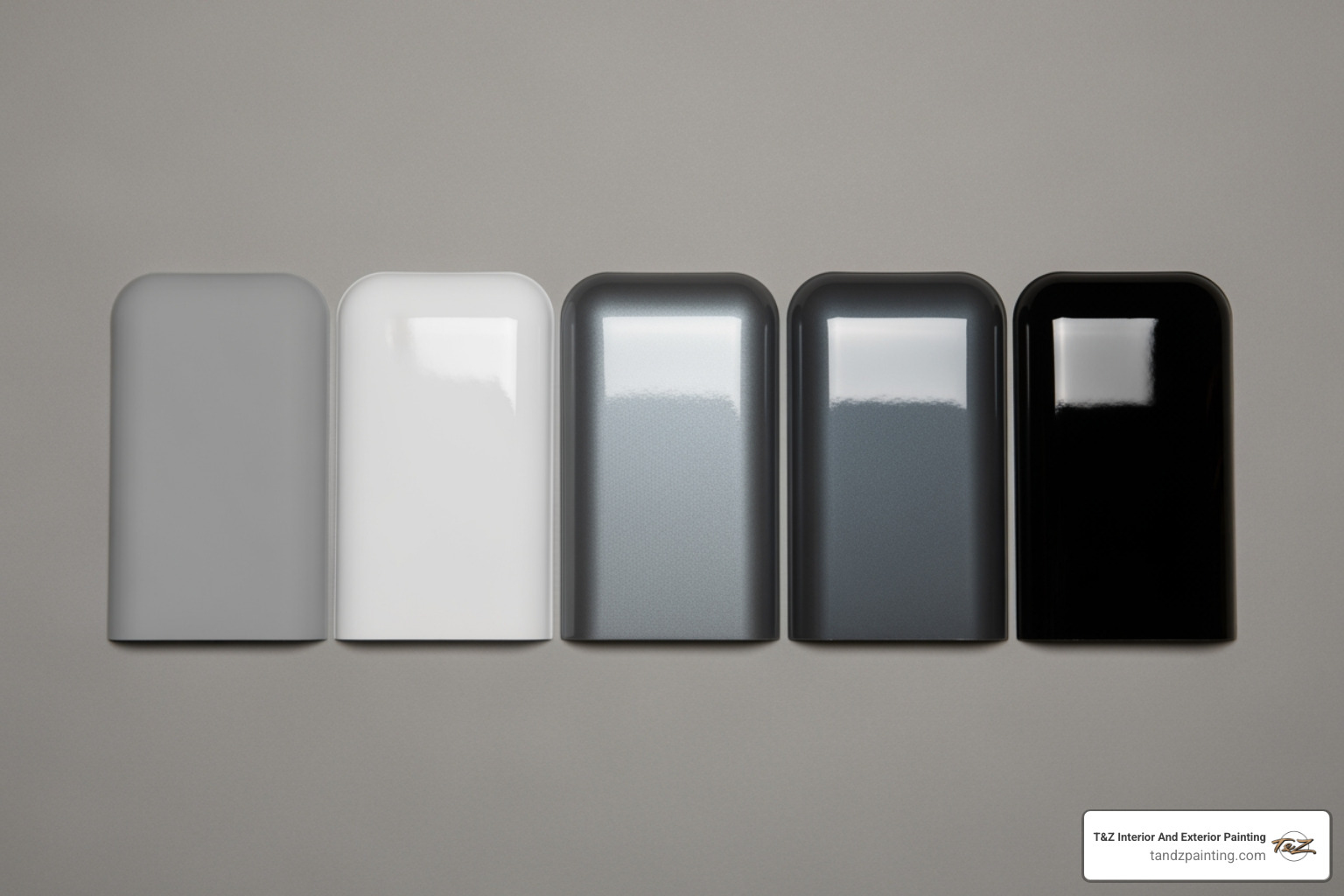
The paint’s sheen affects its appearance, durability, and ease of cleaning.
Flat or matte finish has no shine and is excellent at hiding surface imperfections, making it a great choice for large siding areas. However, it’s the least durable and hardest to clean.
Satin or eggshell finish is the most popular choice for home exteriors. It has a soft, low-sheen look that is more durable and easier to clean than flat paint. It resists dirt and mildew well, making it ideal for main body siding.
Semi-gloss finish has a noticeable shine and is highly durable and easy to clean. It’s perfect for trim, window frames, fascia, and other architectural details that need to stand out.
Gloss or high-gloss finish offers the highest sheen and maximum durability. It’s very easy to clean and is best for highlighting features like front doors or decorative trim. Be aware that its high reflectivity will emphasize any surface imperfections.
We typically recommend flat or satin for siding, satin or semi-gloss for trim, and semi-gloss or gloss for doors and shutters. This combination provides the best balance of beauty and durability.
Choosing the Perfect Color Palette for Your Home’s Exterior
Picking colors for your house outer wall paint is your chance to boost curb appeal and express your style. The right color palette can make your home feel larger, highlight its architecture, and even increase its market value.

Factors to Consider When Selecting an Exterior Color
Before choosing a color from a small paint chip, consider these key factors:
Lighting conditions are crucial. A color appears darker in the shade than in direct sun. Your home’s orientation also matters: north-facing homes get cooler light, making colors appear darker, while south-facing homes get intense light that can brighten colors.
Your fixed elements—such as roof color, brick or stone features, and pathways—must harmonize with your paint choices. Select a main color that complements these existing materials.
Your home’s architectural style should guide your palette. A Victorian home suits a different palette than a modern ranch. Classic coastal colors fit a Cape Cod, while earthy tones improve a Craftsman bungalow.
Consider your neighborhood aesthetic. While your home should reflect your personality, it should also fit within the community. You want your home to stand out for the right reasons. Light colors can make a house appear larger, while dark colors can make it feel more grounded.
If you have a Homeowners Association, check their guidelines before finalizing your colors.
Always test your colors on the house itself. Paint large samples and observe them at different times of day. For more ideas, see our guide on Outside House Painting Colour Combinations.
Popular Exterior Paint Color Trends and Combinations
Knowing current trends can provide inspiration for your home.
Timeless neutrals like whites, grays, and beiges are always in style. They are versatile, sophisticated, and provide a clean backdrop for landscaping and accents.
Dark and dramatic hues such as deep charcoal, navy blue, and even black create a striking, modern look that contrasts beautifully with green landscaping.
Classic whites remain popular for making a house feel larger and brighter. White is a perfect canvas that allows architectural details and landscaping to shine.
Earthy tones like olive greens, warm browns, and terracotta shades connect a home to its natural surroundings, creating an organic, welcoming feel.
Coastal blues paired with crisp whites evoke a relaxed, serene aesthetic that works well on certain architectural styles.
Most successful color schemes use three to four colors: a main body color, a trim color, and one or two accent colors for doors and shutters. This creates depth and visual interest. You can use a color visualizer tool to experiment, and view our gallery for real-world inspiration from homes we’ve painted.
Using Paint to Improve Curb Appeal
Paint is one of the most cost-effective ways to boost curb appeal.
Make your front door a focal point with a bold, contrasting color. It creates an instant first impression and adds personality.
Use accent colors to highlight your home’s best features, like gables, eaves, or unique moldings. This draws the eye and showcases your home’s design.
Ensure your trim and shutters coordinate with the overall scheme. Using the same color for the front door and shutters creates a cohesive look. A shade slightly lighter or darker than the trim also provides subtle contrast.
Create focal points beyond the front door. Strategic use of color can draw attention to a beautiful porch or unique window designs, making your home more memorable. A thoughtful color palette can completely transform your home’s exterior.
Mastering Your House Outer Wall Paint Project: From Prep to Finish
A long-lasting house outer wall paint job is about 80% preparation and 20% painting. Skipping prep steps will lead to peeling, cracking, and a finish that fails within a couple of years.
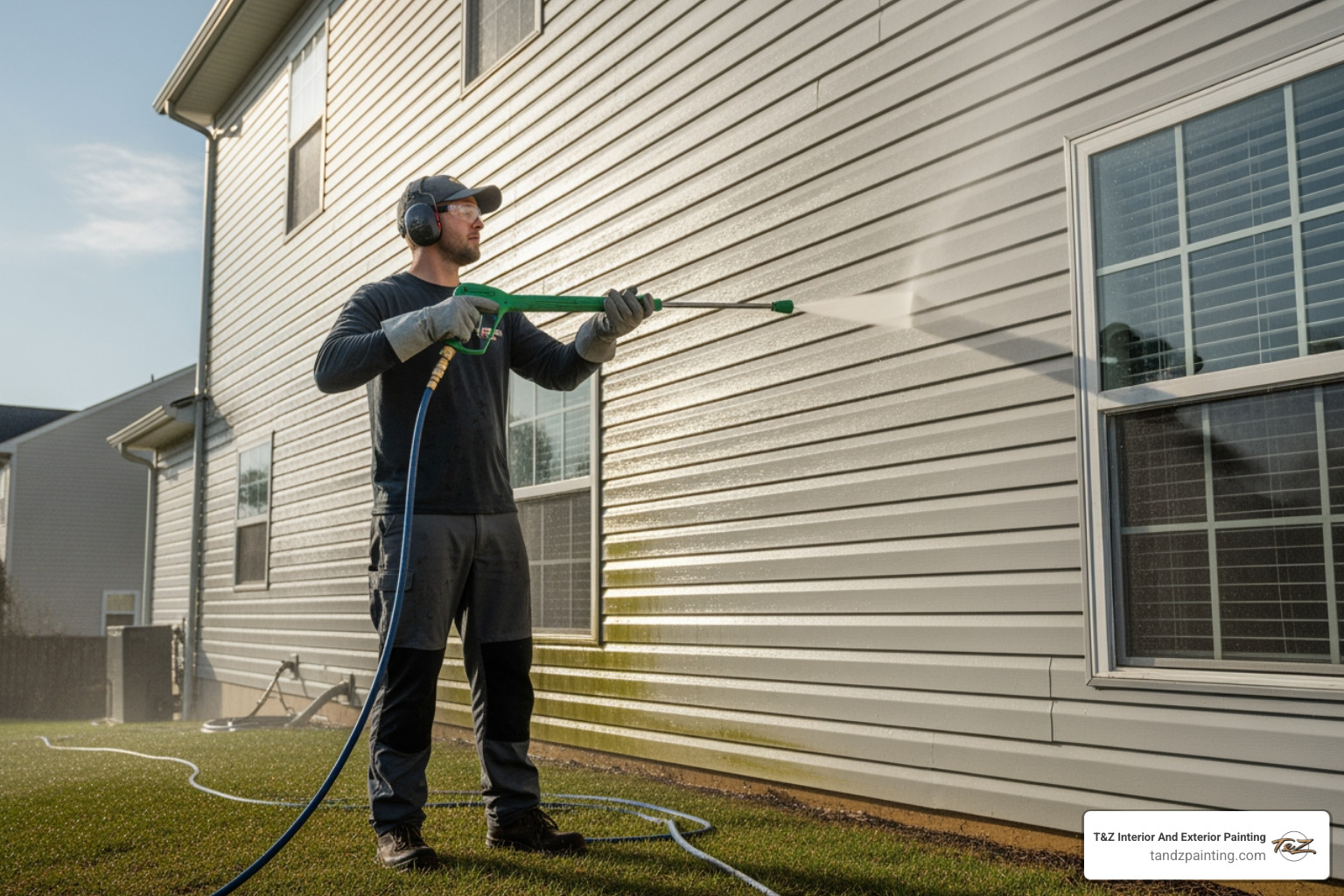
Essential Steps for Preparing Your House Exterior
Proper preparation is where the real work happens.
First, clean and pressure wash the exterior to remove all dirt, grime, pollen, and mildew that could interfere with paint adhesion. For stubborn mildew, use a mix of water, bleach, and a phosphate-free cleaner. Allow the surface to dry completely for 24–48 hours.
Next, scrape loose paint. All peeling, bubbling, or flaking paint must be removed with a paint scraper. For stubborn areas, professionals may use specialized tools like infrared strippers.
After scraping, sand the surface to create a smooth transition between old paint and bare spots. Use 50-80 grit sandpaper to feather the edges, then 100-120 grit to smooth the area.
Inspect for and repair cracks, holes, and damage. Use exterior-grade patching compound for small cracks. Deeper damage or rotten wood may require two-step epoxies or replacement by a skilled carpenter.
Don’t skip primer. Primer ensures paint adhesion, blocks stains, and creates a uniform base for your topcoat. Use a latex acrylic primer for most surfaces. An oil-based primer is best for covering stains, sealing unpainted wood like cedar (to prevent tannin bleed), and protecting metal from rust. Always prime bare wood, brick, stucco, and patched areas.
If your home was built before 1978, it may have lead paint. Before scraping or sanding, test for lead. If lead is present, do not attempt a DIY removal. Follow EPA guidelines for lead-safe work practices and hire a certified professional.
Calculating How Much House Outer Wall Paint You Need
To avoid extra trips to the store or wasted paint, calculate your needs accurately. Measure your home’s perimeter and multiply by the wall height, then subtract the area for windows and doors.
A gallon of exterior paint typically covers 250–400 square feet, depending on surface texture. Rough surfaces like stucco require more paint.
Plan for two coats over one coat of primer for best results. Double your surface area calculation to determine the total paint needed. It’s also wise to buy one extra gallon for future touch-ups.
Best Practices for Application and Technique
With prep work done, it’s time to apply your house outer wall paint.
Weather is critical. Paint in temperatures between 50°F and 85°F with humidity below 60%. Ensure no rain is forecast for at least 24 hours. Avoid painting in direct sunlight, which causes paint to dry too fast and can leave marks. For more on timing, read our article on when is the best time to paint the exterior of your home.
Work from top to bottom: start with eaves and fascia, then siding, and finish with doors and windows.
For application, brushing is best for trim and details. Rolling is efficient for large, flat surfaces like siding. Spraying is fastest but uses more paint and requires careful masking; professionals always back-brush or back-roll after spraying to ensure proper adhesion.
Apply two thin coats over your primer, allowing 4-6 hours of drying time between coats for superior durability and color depth.
When working at heights, ladder safety is paramount. Use a sturdy ladder on level ground and maintain three points of contact. For extensive high work, scaffolding is a safer option. Review the OSHA ladder safety guidelines before you begin.
Frequently Asked Questions about Exterior House Paint
We hear many of the same questions about house outer wall paint from homeowners across Chicagoland. Here are the answers you need.
How long does exterior paint last and how often should I repaint?
A quality exterior paint job typically lasts 7–10 years, but this lifespan depends on several factors.
- Climate: The Chicagoland weather, with its hot summers and cold winters, causes paint to expand and contract, leading to cracking. Intense UV rays also cause fading.
- Paint Quality: High-quality 100% acrylic paints with UV resistance will outlast cheaper alternatives by years.
- Surface Material: Paint behaves differently on wood, which expands with moisture, compared to masonry surfaces like stucco or brick.
- Preparation Work: This is the most critical factor. A properly cleaned, scraped, sanded, and primed surface holds paint far longer.
- Maintenance: Annual washing and prompt touch-ups can add years to your paint’s life.
It’s time to repaint when you see cracking, peeling, blistering, significant fading, or chalking (a white powder that comes off when you touch the surface).
When is the best time of year to paint my house exterior?
Timing is everything for a house outer wall paint project. The ideal time for painting in our area is spring or fall, which offer moderate temperatures and lower humidity.
The optimal temperature range is 50°F to 85°F. Paint applied in colder temperatures may not cure properly, while paint applied in extreme heat dries too fast, preventing proper bonding. Humidity should be below 60% to avoid trapping moisture, which can cause blistering.
Paint needs at least 24 hours to cure before it gets wet, so ensure there is no rain in the forecast. Summer can be too hot for ideal application, and winter is generally too cold.
For a detailed seasonal breakdown, read our article on When is the Best Time to Paint the Exterior of Your Home?.
Can I paint over surfaces like brick, stucco, or vinyl siding?
Yes, all three surfaces can be painted successfully with the right preparation and products.
For brick and stucco, the surface must be clean, dry, and free of efflorescence (white mineral deposits). Repair any cracks with a masonry patching compound. Use a high-quality masonry primer followed by a breathable acrylic latex exterior paint. This allows moisture to escape, preventing blistering and peeling. Elastomeric paints are also a great, flexible option for stucco.
For vinyl siding, painting is a smart alternative to replacement. The surface must be thoroughly cleaned to remove chalky residue, dirt, and mildew. Use a 100% acrylic latex paint formulated for vinyl, as it will flex with the siding’s expansion and contraction. Crucially, you must choose a color that is no darker than the original vinyl color. Darker colors absorb more heat and can cause the vinyl to warp. Many brands offer “vinyl-safe” color palettes to prevent this issue.
Conclusion: Achieve a Flawless Finish That Lasts
You now understand what goes into a successful house outer wall paint project. The key takeaways are that meticulous preparation, quality materials, and proper application are non-negotiable for a lasting finish.
The most expensive paint will fail on a poorly prepped surface. A high-quality, 100% acrylic paint is an investment in protecting your home from the elements. Finally, painting in the right weather conditions with the correct techniques ensures your hard work results in a beautiful finish.
A well-executed exterior paint job does more than refresh your home’s look—it prevents moisture damage, stops wood rot, and boosts your property’s curb appeal and resale value.
We understand this is a significant amount of work. The pressure washing, scraping, sanding, priming, and painting require time, effort, and expertise.
That’s where we come in. For a professional, stunning result without the hassle, the experienced teams at T&Z Painting are here to help. We have completed countless exterior painting projects throughout Lombard, Wheaton, Lemont, Downers Grove, Carol Stream, La Grange, Lockport, Plainfield, Addison, Elmhurst, Glenview, Wilmette, Woodridge, and Chicago. We use only top-brand materials and never cut corners on preparation.
Whether you choose to DIY or hire professionals, we hope this guide gives you the confidence to move forward. Your home deserves a beautiful, lasting finish—and now you know what it takes to achieve it.
Contact us for your professional exterior painting project today and let us transform your home with the quality and care it deserves.