
Understanding Your Move-Out Painting Responsibilities
Move out painting can be one of the most confusing aspects of ending a lease or preparing a property for new tenants. Here’s what you need to know to manage expenses and avoid disputes:
Quick Answer: Who Pays for Move-Out Painting?
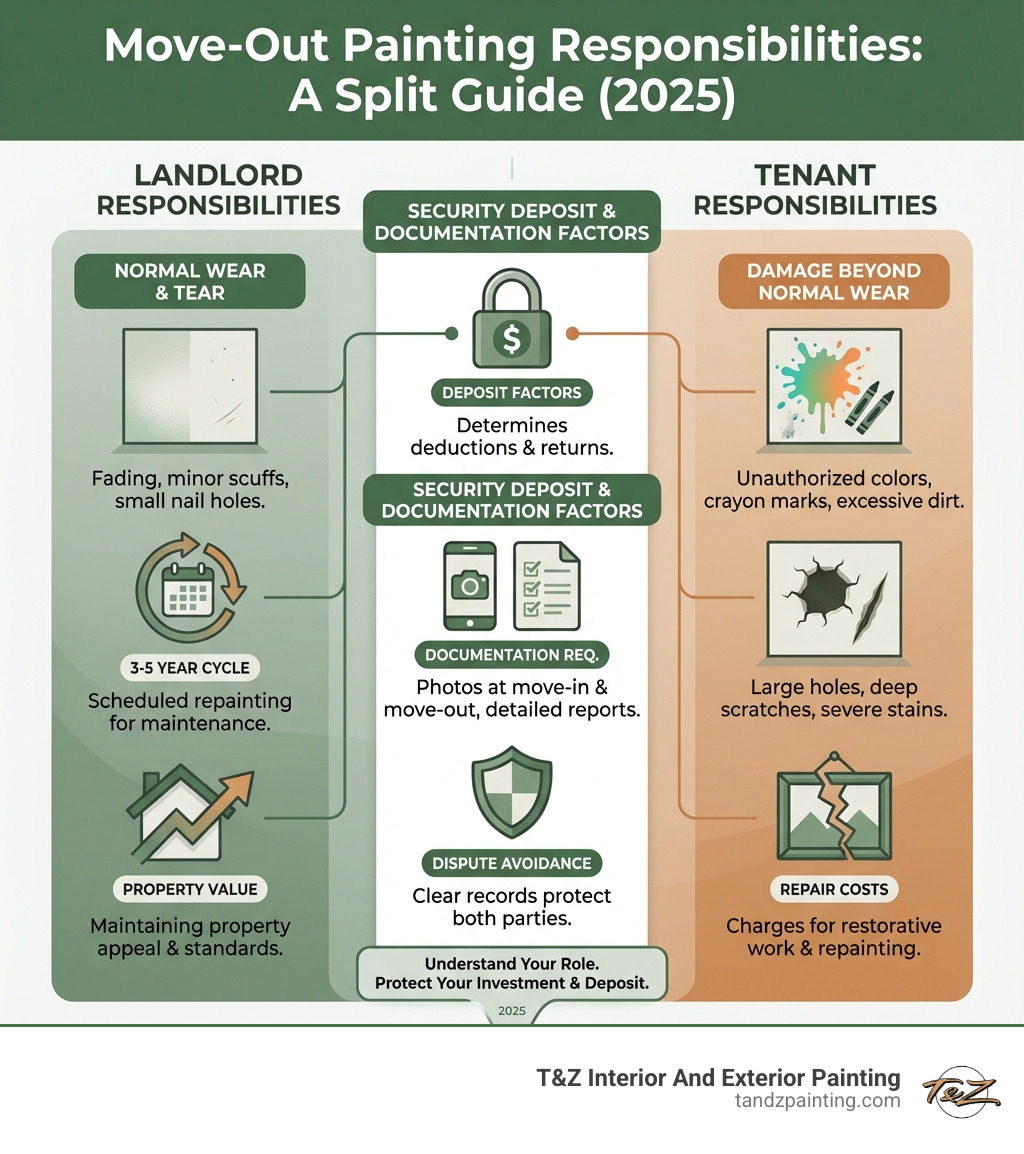
- Landlords are typically responsible for repainting due to normal wear and tear (fading, minor scuffs, small nail holes)
- Tenants are responsible when damage exceeds normal wear (unauthorized colors, large holes, crayon marks, deep scratches)
- Timeline matters: Most rental properties need repainting every 3-5 years as part of normal maintenance
- Documentation is key: Take photos at move-in and move-out to protect yourself from unfair charges
The stakes are high. One California tenant paid $1,000 for a botched DIY paint job when leaving it alone would have resulted in no charge—the repainting would have been considered normal wear and tear under state law. Whether you’re a landlord trying to turn a unit quickly or a tenant hoping to recover your full security deposit, understanding painting responsibilities saves money and prevents headaches.
As Tomasz Niemotko, owner of T&Z Interior And Exterior Painting Contractors, I’ve helped hundreds of Lombard-area landlords and tenants steer move out painting challenges over the past 13 years. Our team understands the exact standards landlords expect and the quality needed to secure deposit returns, making the transition smooth for everyone involved.
The Lease Agreement: Defining Painting Rules
The lease agreement serves as the foundational document outlining the responsibilities for both landlords and tenants regarding the rental property, including its paint. Generally, landlords bear the primary responsibility for repainting rental properties to maintain them and keep them appealing. This is considered normal maintenance. However, the lease often specifies conditions under which a tenant might become responsible for painting.
For instance, if a tenant causes damage beyond typical wear and tear, or if they alter the paint color without explicit consent, they may be held accountable. We always advise both parties to review their lease thoroughly to understand these clauses. While some cities may have specific laws regulating how often landlords must repaint, such as every three years for multiple-dwelling buildings in New York City, these regulations vary widely. In the absence of specific local laws, the lease agreement and the concept of normal wear and tear are paramount.
At T&Z Interior And Exterior Painting, we understand the nuances of these agreements and can help ensure your painting projects align with your lease obligations. Our House Painting Services are designed to meet these standards.
Normal Wear and Tear vs. Damage
This distinction is crucial for understanding move out painting responsibilities and avoiding disputes over security deposits. “Normal wear and tear” refers to the deterioration that occurs naturally over time with ordinary use, while “damage” implies harm caused by neglect, carelessness, or abuse.
Here’s a breakdown to help clarify the difference:
| Normal Wear and Tear (Landlord’s Responsibility) | Tenant Damage (Tenant’s Responsibility) |
|---|---|
| Fading paint due to sunlight or age | Large holes in walls (e.g., from anchors) |
| Minor scuffs from furniture against walls | Deep scratches or gouges in paint/drywall |
| Small nail holes from hanging pictures/art | Crayon, marker, or significant stains |
| General smudges near light switches | Unapproved paint colors or murals |
| Airborne dirt accumulation over time | Pet damage (scratches, urine stains) |
| Minor chipping or peeling of old paint | Water damage from tenant negligence |
For example, minor scuffs where a sofa rested against a wall or small holes from hanging a few pictures are generally considered normal wear and tear. However, a large hole from a TV mount, extensive crayon marks, or painting a room a bold color without permission would typically be classified as tenant damage. Some landlords observe that a paint job in a rental property can realistically last three to five years, even though a professional paint job might last 5-10 years, due to the nature of tenant turnover and occupancy.
Security Deposit Deductions for Painting
The security deposit is often at the heart of move out painting disagreements. Landlords can deduct from a security deposit for painting-related issues, but only under specific conditions. These deductions are typically permissible if the need for repainting stems from damage caused by the tenant that goes beyond normal wear and tear.
To protect your security deposit, documentation is key. Tenants should take thorough photos and videos of the property’s condition, including the walls, both at move-in and move-out. This visual record can serve as evidence if there’s a dispute over deductions. Landlords are generally required to provide an itemized bill of all deductions within a specific timeframe after the tenant vacates the property. If you believe deductions are improper, you have the right to dispute them. Many lease agreements also require the property to be left in a “broom-clean” condition, which implies a basic level of cleanliness, but not necessarily a fresh coat of paint unless damage dictates it.
Understanding your rights and responsibilities is crucial for ensuring you get your security deposit back. For more information on this, we recommend reviewing resources like How to get your security deposit back.
Best Practices for Rental Property Painting
Whether you’re a landlord aiming to maintain a valuable asset or a tenant striving to leave a positive impression and recover your deposit, adopting best practices for painting is a win-win. Freshly painted walls are a significant draw for prospective tenants and can even encourage current tenants to treat the property with more care. Painting is an impactful improvement that can significantly refresh a property’s appeal without the extensive investment of major renovations. It also protects walls from wear and tear, moisture, and sun damage, extending the life of the property itself.
For Landlords: When to Repaint
For landlords, strategic repainting is a crucial aspect of property management. We often recommend repainting rental properties every three to five years. This frequency helps keep units looking fresh and appealing, which is essential for attracting new tenants and retaining existing ones. Painting between tenants, when the unit is vacant, is often the most efficient time to perform this work, as it avoids disruptions and allows for a thorough job without furniture in the way.
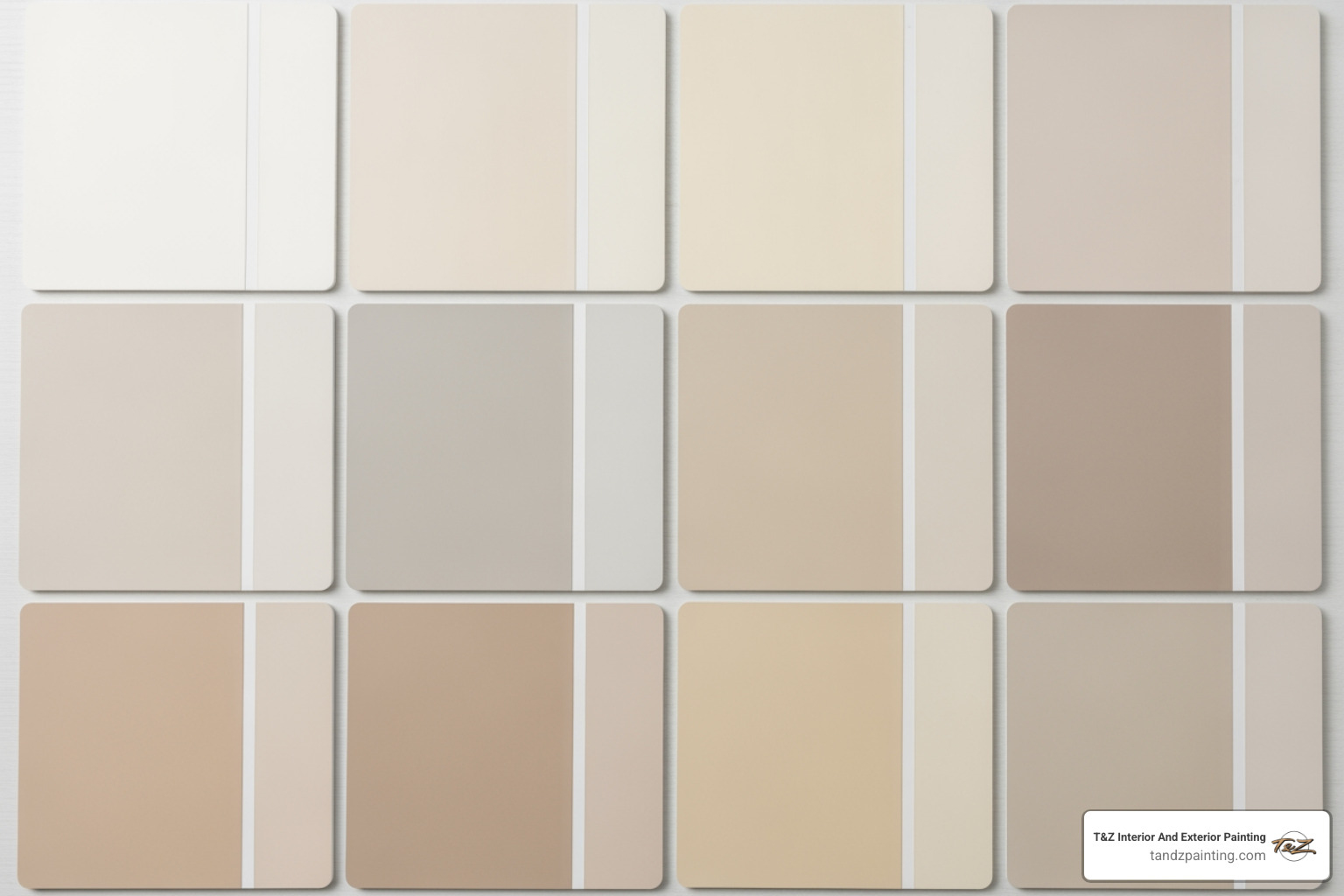
When choosing paint, quality and durability are paramount. We advise selecting satin or semi-gloss finishes for rental properties. These finishes are durable, easy to clean, and can withstand the wear and tear of multiple occupants. For colors, light and neutral tones such as tans, creams, or very light shades of gray are ideal. These colors make rooms appear larger and brighter, appealing to a wider range of potential tenants. Pure white is often avoided because dirt and scuffs show up too easily. Consider also the use of low-VOC or zero-VOC paints to improve indoor air quality, a benefit for both tenants and painting crews.
As experienced professionals in Lombard, Wheaton, and surrounding Illinois areas, our Interior Painting Services are custom to meet the specific needs of landlords, ensuring a durable and attractive finish that stands the test of time. We serve communities like Wheaton and understand the local market’s expectations.
For Tenants: A Guide to DIY Move Out Painting
For tenants considering move out painting themselves, the first and most critical step is to obtain explicit permission from your landlord in writing. Painting without permission can lead to serious consequences, including forfeiture of your security deposit and being charged for professional repainting. Most landlords prefer not to have tenants paint due to the risk of a poor quality job or the use of colors that might devalue the property.
If you do receive permission, carefully match the original paint color. Ask your landlord for the exact paint color code and brand. Any mismatched colors or uneven finishes, even with the best intentions, can result in additional charges.
Here’s a general guide if you proceed with DIY move out painting:
- Wall Preparation: Begin by thoroughly cleaning the walls. Wipe them down with a rag to remove dust, cobwebs, and light smudges.
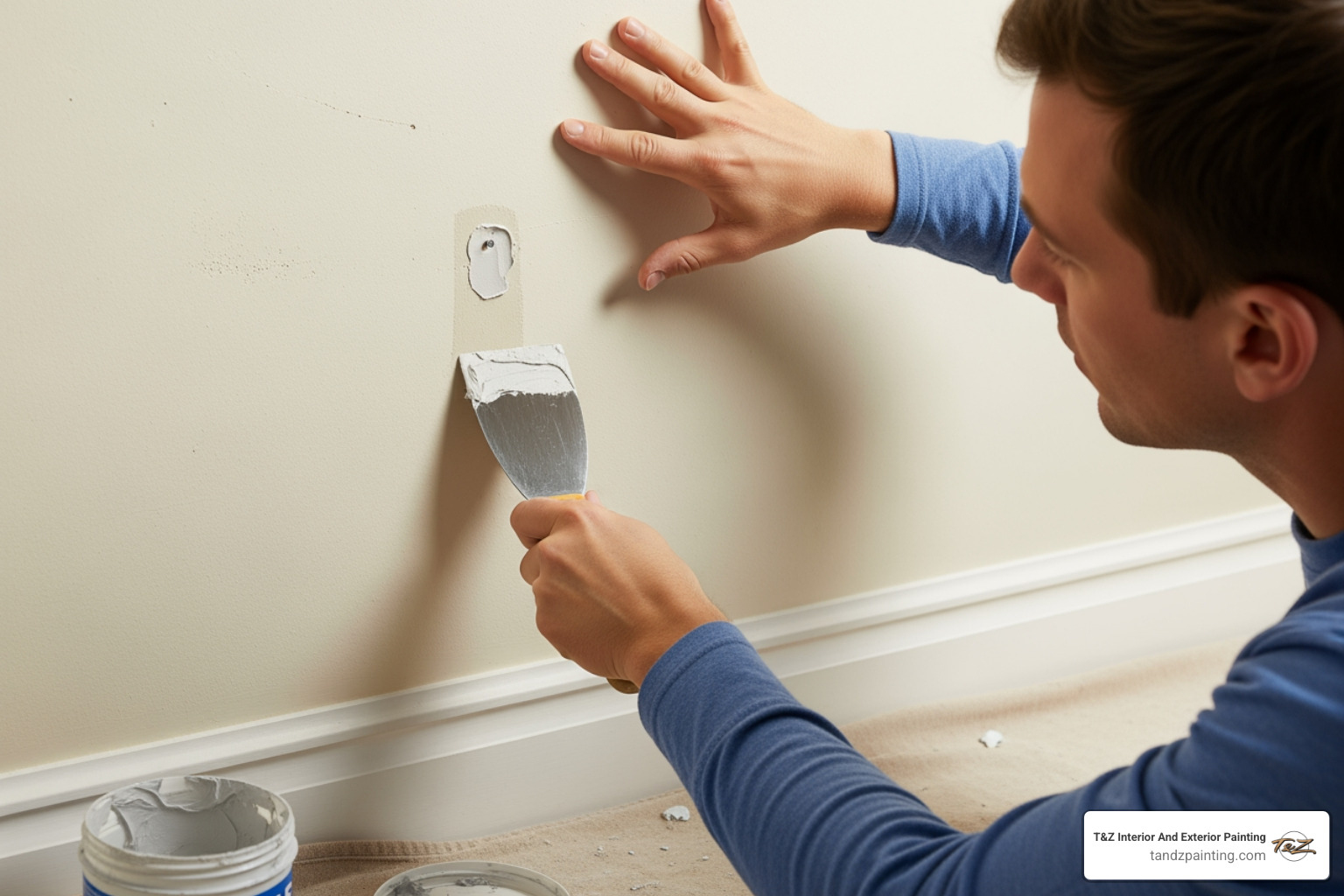
- Patching Holes: Carefully remove any nails, screws, or wall anchors. Fill small holes and cracks with spackling compound using a putty knife.
- Sanding: Once the spackle is dry, sand the patched areas smooth with a sanding block. This creates an even surface for painting.
- Priming: If you’re covering a darker or bold color, or if there are significant patches, use a high-hide primer. Primer seals and blocks stains, ensuring a more uniform and color-true topcoat. Products like KILZ 3 Premium Primer are designed for superior coverage over bold colors.
- Painting: Use quality brushes for cutting in edges and a roller for the main wall surfaces. Apply paint in M or W motions for even coverage. Allow the first coat to dry completely before applying a second if needed.
- Protecting Surfaces: Use painter’s tape along baseboards, trim, and ceiling lines, and drop cloths to protect floors and any remaining fixtures.
The goal is to return the walls to their original, neutral condition, meeting the landlord’s standards to secure your security deposit. For more detailed preparation tips, refer to resources like How to Prepare a House for Painting.
Navigating Special Circumstances
Sometimes, move out painting involves more than just a fresh coat or a quick touch-up. Special circumstances, such as the presence of lead paint or unauthorized alterations, require careful attention to avoid legal repercussions and ensure safety.
Consequences of Painting Without Permission
Painting a rental property without your landlord’s explicit, written permission can lead to a host of unwelcome consequences. The primary concern is often a lease violation, which can result in the forfeiture of your security deposit. Landlords generally prefer to maintain control over the aesthetic and condition of their properties, especially when it comes to paint colors and quality.
If you paint a room a different color without permission, even if you attempt to paint it back to the original shade, mismatched colors or an uneven finish can result in your landlord hiring professionals to correct the work. This expense will then be deducted from your security deposit, which could amount to hundreds or even thousands of dollars. We’ve seen situations where tenants have paid significant amounts for a botched DIY job when simply leaving the walls as they were would have been considered normal wear and tear. This is a common challenge we help resolve for properties in areas like Downers Grove and other Illinois communities.
Handling Your DIY Move Out Painting Project
If you’ve secured landlord permission for your DIY move out painting project, the key to success lies in meticulous preparation and execution.
Here’s how to approach it:
- Prep the Walls: Start by removing everything from the walls – pictures, shelves, and any hardware. Then, clean the walls thoroughly to remove dust, grime, and any residue. A simple wipe-down with a damp cloth or mild cleaning solution is often sufficient.
- Spackle and Sand: Address any holes or cracks. Use a putty knife to apply spackling compound to nail holes, screw holes, or minor indentations. Once dry, gently sand the patched areas until they are smooth and flush with the wall.
- Protect Surfaces: Lay down drop cloths to cover floors and any furniture that cannot be moved. Use painter’s tape to create clean lines along baseboards, doorframes, window sills, and where walls meet the ceiling.
- Prime: If you’re painting over a dark color or if the walls have significant patches, apply a coat of primer. Primer ensures an even color, helps the new paint adhere better, and can prevent stains from bleeding through.
- Paint: Apply your chosen paint in thin, even coats. Two coats are usually necessary for a consistent finish. Allow adequate drying time between coats.
Essential DIY Painting Supplies:
- Spackling compound and putty knife
- Sanding block or sandpaper
- Painter’s tape
- Drop cloths
- All-purpose cleaner and rags
- Paint (matched exactly to the original color)
- Primer (especially for covering dark colors)
- Quality paint brushes (angled for cutting in)
- Paint rollers and roller covers
- Paint tray
- Safety gear (gloves, eye protection)
When to Hire Professionals for Move Out Painting
While DIY painting might seem like a way to save, the benefits of hiring professionals for move out painting often far outweigh the perceived savings, especially when considering the potential for disputes or poor results. Professional painting services can simplify the entire move-out process for both landlords and tenants, offering time savings, stress reduction, and guaranteed quality results. Our experienced teams ensure a flawless finish, helping to avoid potential deductions from security deposits for tenants and ensuring faster tenant turnover for landlords.
Benefits for Landlords
For landlords, professional move out painting is an investment that pays dividends.
- Faster Turnover: A freshly painted unit is more appealing to prospective tenants, leading to quicker occupancy and minimizing vacant periods. When the unit looks its best, it often rents faster.
- Professional Appearance: A high-quality paint job from experienced professionals projects a well-maintained and cared-for property. This not only attracts higher-quality tenants but also sets a standard for how the property should be treated.
- Increased Property Appeal: Paint is one of the most impactful improvements that significantly improves a property’s overall appeal. It creates a clean canvas for new residents and can subtly increase the perceived value of your rental.
- Durable Paint Jobs: Professional painters use top-brand materials and proper preparation techniques, ensuring a paint job that lasts longer. A professional paint job should last approximately 5-10 years, though in a rental property, you might expect to repaint every three to five years. This durability means fewer repaints over time and better protection for your walls.
Our Exterior Painting Services also play a vital role in curb appeal, which is just as important for attracting tenants. We proudly serve communities like La Grange and understand the high standards property owners expect.
Benefits for Tenants
Tenants, too, can greatly benefit from professional move out painting.
- Ensuring Deposit Return: The most significant advantage for tenants is the assurance that the painting will meet the landlord’s standards, maximizing the chances of getting the full security deposit back. A professional finish eliminates concerns about mismatched colors, uneven coats, or missed spots that could otherwise lead to deductions.
- Saving Valuable Time: Moving is an incredibly busy and stressful time. Between packing, coordinating logistics, and setting up a new home, your time and energy are valuable. Delegating the painting to professionals allows you to focus on other essential aspects of your move.
- Flawless Finish: Professionals bring expertise and the right tools to the job, delivering a smooth, even, and consistent finish that DIY efforts often can’t match. This ensures the property is left in impeccable condition.
- Peace of Mind: Knowing that the painting is handled by experts removes a significant source of stress. You can move forward with confidence, knowing you’ve met your obligations and left the property in excellent shape.
For specialized projects like refreshing your kitchen, our Cabinet Painting Services can also help restore areas that show significant wear.
Frequently Asked Questions about Move-Out Painting
Can a landlord make deductions for painting due to normal wear and tear?
Generally, no. Landlords are typically responsible for expenses associated with normal wear and tear, which includes minor scuffs or fading paint over time. Deductions are usually only permissible for damages exceeding this standard.
Do I have to repaint walls I painted a different color?
Yes, in most cases. If you painted a wall without permission or your lease requires you to return the unit to its original condition, you are responsible for repainting it back to the original neutral color.
How often should a landlord paint a rental property?
While some areas have specific laws, a general best practice is for landlords to repaint every three to five years. This keeps the property looking fresh and well-maintained for current and prospective tenants.
Ensure a Smooth Move with Professional Painting
Navigating the complexities of move out painting doesn’t have to paint you into a corner. Whether you’re a landlord preparing a unit for its next resident or a tenant aiming to secure your security deposit, understanding responsibilities, communicating effectively, and documenting conditions are your best tools.
Key takeaways:
- Communication is paramount: Always discuss painting intentions and expectations with your landlord.
- Documentation protects: Keep thorough records, including photos and videos, of the property’s condition at both move-in and move-out.
- Professional finish matters: For quality, durability, and peace of mind, professional painting services often provide the best outcome for all parties involved.
At T&Z Interior And Exterior Painting, we’re dedicated to delivering quality, stunning results through our experienced teams, top-brand materials, and excellent customer service. We understand the specific needs of properties in Lombard, Addison, Elmhurst, and across our service areas in Illinois. Let us help you ensure a smooth transition and a beautifully finished space.
For more information about our Interior Painting Services and how we can assist with your next move out painting project, please contact us.