
Stucco Painting and Exterior Finishes in Lombard, Illinois
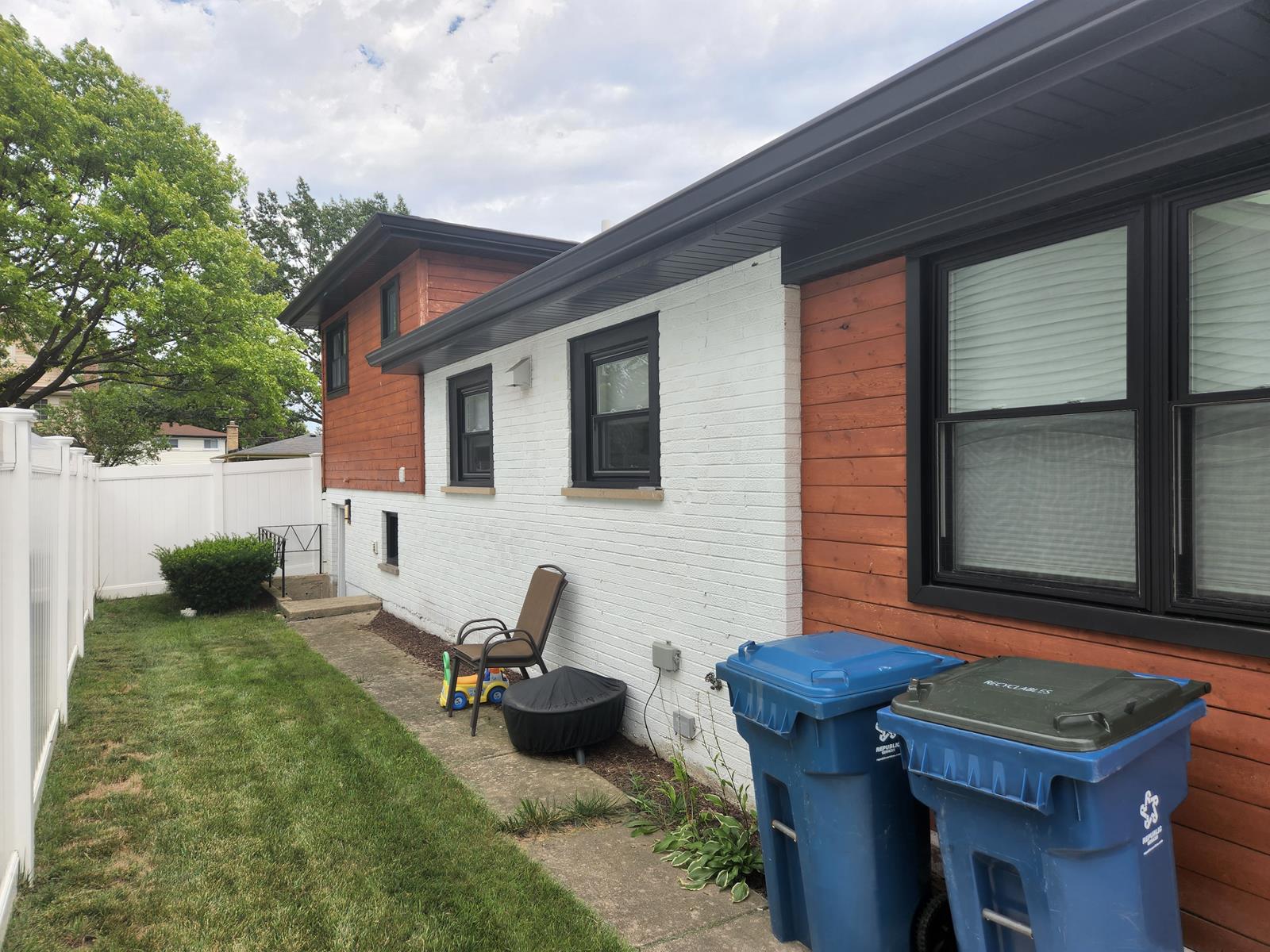
Stucco looks solid, but it takes a beating in Chicagoland. In Lombard, freeze-thaw cycles crack it, humid summers push moisture through it, and UV exposure fades it season by season. T&Z Interior and Exterior Painting handles stucco painting and exterior finish work for residential and commercial properties across Lombard — from hairline crack repair and priming through finish coat application. Call us for a free on-site estimate. Spring and summer slots book fast, so scheduling early matters. We’re a licensed Painter with 15+ years of experience, and we use the right primers and coatings for stucco — not shortcuts that fail by next winter.
What Cracked, Faded, or Peeling Stucco on a Lombard Home Is Telling You
- Hairline cracks running through the surface are the most common sign in Lombard homes. Some are cosmetic — shallow surface cracks from normal settling. Others go deeper and allow water behind the stucco layer. The difference matters because painting over an active crack without sealing it first just traps moisture and makes the problem worse the next winter.
- Chalking — a white powdery residue that comes off on your hand when you touch the wall — means the paint binder has broken down from UV exposure. The surface is no longer sealing properly. Water is getting absorbed rather than shed.
- Efflorescence — white mineral deposits on the stucco face — signals that water has moved through the wall and left dissolved salts behind as it evaporated. This is a moisture intrusion problem, not just a cosmetic one.
- Peeling or bubbling paint means moisture got trapped between the stucco and the coating. This usually happens after a paint job where prep was skipped or the wrong primer was used.
The advantages of painting stucco go well beyond appearance. A properly applied masonry coat waterproofs the surface, slows further cracking, resists mold and mildew, and adds UV protection that unpainted stucco doesn’t have. For Lombard properties, that protection is the whole point — curb appeal is secondary.
T&Z inspects every stucco surface at the estimate and tells you exactly what prep the job needs before quoting. No surprises mid-project.
How to Choose the Right Paint Finish for Stucco Exteriors
- Chips at door edges where the door contacts the frame
- Yellowing white trim, especially near windows and south-facing walls
- Caulk lines opening up between baseboards and the wall
- Scuff marks that don't wipe off
- Paint peeling at inside corners or where two trim pieces meet
Flat masonry paint is the most common choice for rough or heavily textured stucco. It absorbs into the surface rather than sitting on top of it, hides texture variation well, and produces a natural, matte appearance. It doesn’t reflect light, which means imperfections and uneven areas are less visible. The trade-off is that flat finishes are harder to clean and have less moisture resistance than satin or elastomeric options.
Satin finish masonry paint adds a slight sheen and meaningfully better moisture resistance. It’s easier to clean — important for commercial stucco facades or ground-level walls near landscaping and foot traffic. It works best on smoother stucco surfaces where the sheen doesn’t exaggerate texture unevenness.
Elastomeric coating is the highest-performance option and the right choice for older Lombard stucco with active hairline cracking. Elastomeric paint is significantly thicker than standard masonry paint — it’s applied like a coating rather than paint — and it flexes with the surface as temperatures change. When stucco expands in summer heat and contracts in January cold, elastomeric coating moves with it instead of cracking. It bridges hairline cracks that would open up and fail under standard paint within a season or two.
Homes in Lombard’s Westmore neighborhood — many built in the 1950s and 1960s with original stucco still in place — have decades of movement in their walls. For these surfaces, elastomeric isn’t optional. It’s the only finish that will hold.
T&Z recommends finish type based on stucco age, texture, and crack history at the estimate. The goal is a coating that lasts — not just one that looks good on day one.

Why Stucco Needs Primer and Prep Before Any Exterior Paint Goes On
Why primer is non-negotiable on stucco:
Stucco’s high alkalinity reacts chemically with standard paint and breaks down the bond between the paint and the surface. A masonry-specific primer neutralizes that alkalinity before topcoat goes on. It also penetrates the porous stucco surface and creates a stable, sealed base that the finish coat can actually adhere to. Without it, you’re painting onto a surface that will reject the coating within months.
New stucco requires cure time before priming. Fresh stucco must cure for 28 to 60 days before any primer or paint is applied. Painting new stucco too soon traps moisture still evaporating out of the curing process — this causes bubbling and delamination. This is relevant for Lombard homeowners who have had stucco repairs or additions done before scheduling a repaint.
The full prep sequence T&Z follows on every stucco exterior:
- Pressure wash the entire surface — remove dirt, mold, algae, and any loose or chalking paint
- Allow to dry fully — stucco must be completely dry before primer; in Lombard's humid summers this means waiting 24–48 hours after washing
- Repair cracks — fill hairline cracks with elastomeric caulk; larger structural cracks get patching compound and may need masonry repair first
- Treat efflorescence — wire brush mineral deposits, treat with masonry cleaner, rinse, and dry
- Apply masonry primer — full coverage, worked into the surface texture
- Inspect before topcoat — check adhesion, look for missed spots, confirm primer is fully dry
- Apply finish coat — one or two coats depending on coverage and coating type
Lombard’s humid summer conditions mean surface moisture is a real scheduling factor. Painting after rain or morning dew — even on a stucco surface that looks dry — traps moisture and causes blistering. T&Z checks surface and forecast conditions before starting any exterior stucco job.
How Professionals Paint Over Stucco Without Trapping Moisture or Causing Peeling
Stucco must be structurally sound. The three-coat stucco system — scratch coat, brown coat, and finish coat — must all be fully cured and firmly attached to the substrate before paint goes over them. Painting over delaminating or crumbling stucco traps moisture behind the new coating and accelerates the deterioration underneath. That stucco has to be repaired first. Painting over it is not a fix.
Existing paint layers must be tested. Older Lombard commercial buildings along St. Charles Road and downtown often have three, four, or more layers of paint over original stucco. Each additional layer adds weight and reduces breathability. T&Z tests adhesion on multi-layer surfaces before recoating — if existing paint is failing, it comes off before anything new goes on.
Application method matters on stucco. Brushing and rolling are standard for residential stucco work — they push paint into the texture and ensure good contact with the surface. Airless spray is used on large commercial facades for speed and even coverage, but it must be back-rolled immediately to work the coating into the stucco profile. Spray-only without back-rolling leaves the coating sitting on the texture peaks rather than bonding to the full surface — it peels faster as a result.
One coat is rarely enough. Stucco absorbs heavily, especially on a surface that hasn’t been painted in years or that has been pressure washed. A first coat often disappears into the surface. Two coats are standard — the first seals and saturates, the second delivers the finish color and full protection.
The Best and Worst Times of Year to Paint a Stucco Exterior in Lombard
The best window is late April through September. Temperatures are consistently above 50°F, humidity is manageable on most days, and dry stretches give the coating time to cure properly between coats. June and July offer the most reliable conditions, but spring and late summer are equally viable with good forecast tracking.
October is marginal and requires judgment. Early October in Lombard is often still workable — daytime highs in the 50s and 60s, low precipitation, and decent cure windows. Late October is a different story. As temperatures drop toward freezing at night, the risk of a paint job failing during cure increases significantly. Paint needs 48 to 72 hours of above-50°F temperatures — day and night — to cure properly. A warm day followed by a 38°F night stops the cure process mid-cycle and weakens the bond permanently.
So is October too late? It depends on the specific week. T&Z monitors forecasts when fall jobs are scheduled and will reschedule a stucco exterior if the window closes. Rushing a stucco paint job into a cold snap to hit a deadline produces a finish that won’t last through winter.
November through March is not viable for exterior stucco painting in Lombard. Cold temperatures, moisture, and freeze-thaw cycles during cure prevent proper adhesion. Any stucco painting scheduled for this window should be moved to spring.
Practical advice: if you’re planning a stucco repaint for this year, the time to call for an estimate is March or April. Summer slots fill up. Waiting until August to schedule a job that needs significant prep work often means the window is gone before the job can start.
How Often Lombard Stucco Exteriors Need Repainting to Stay Protected
Standard masonry paint on stucco: repaint every 5–7 years in Chicagoland conditions. Lombard’s freeze-thaw cycles, UV exposure, and seasonal humidity place real stress on exterior coatings. A paint job in good condition at year five but showing chalking by year six is telling you it’s time — don’t wait until it’s peeling.
Elastomeric coating on stucco: repaint every 10–12 years. The thicker film and flexible binder hold up significantly longer than standard paint. The prep investment is higher upfront, but the longer cycle more than offsets it for most homeowners.
Start your inspection at the south and west facades. Stucco homes in Yorkshire Woods and Summit at Yorktown face strong afternoon sun on their west-facing walls — these surfaces fade, chalk, and degrade measurably faster than north or east-facing walls. Inspect the west and south sides first. If those faces need repainting, the rest of the house is close behind.
Signs it’s time regardless of schedule:
- Chalking white powder that comes off on your hand when you touch the wall
- Color visibly faded compared to photos from a few years ago
- Hairline cracks that weren't there at the last repainting cycle
- Water stains appearing on interior walls adjacent to exterior stucco — moisture is already getting through
- Paint starting to peel or bubble at any point on the surface
Catching it at the chalking stage — before peeling begins — means prep is lighter, the job goes faster, and the new coat bonds to a surface that still has integrity. Waiting until visible peeling means more repair, more prep, and a harder job overall.
Send Us a Message
FAQ
Can stucco be painted directly in Lombard without removing the old paint?
Yes — if the existing paint is firmly adhered and the stucco underneath is sound. Failing, peeling, or bubbling paint must be removed and the surface reprimed before any new coating goes on. T&Z tests adhesion at the estimate on surfaces with multiple existing paint layers.
Should stucco be painted flat or satin in the Lombard climate?
Flat masonry for rough or heavily textured stucco — it hides variation and bonds well into the surface. Satin for smoother surfaces that need easier cleaning. Elastomeric for older stucco with active hairline cracks — it’s the only finish that flexes with Lombard’s freeze-thaw movement rather than cracking along with it.
Do you need to prime stucco before painting in Lombard?
Always. Stucco’s high alkalinity breaks down standard paint without a masonry primer underneath. Primer also seals the porous surface so the topcoat bonds properly. Skipping primer is the single most common cause of stucco paint failure — the finish looks fine for months and then peels in sheets.
Is October too late to paint a stucco exterior in Lombard?
Early October is often workable. Late October is high risk. Stucco paint needs 48–72 hours of above-50°F temperatures — day and night — to cure fully. A cold snap during cure permanently weakens the bond. T&Z monitors forecasts for all fall exterior jobs and reschedules when the window closes.
How often does stucco need repainting on a Lombard home?
Every 5–7 years with standard masonry paint. Every 10–12 years with elastomeric coating. Inspect south and west-facing walls first — they face the most sun and degrade faster than other exposures. Chalking is the early warning sign; don’t wait for peeling.