
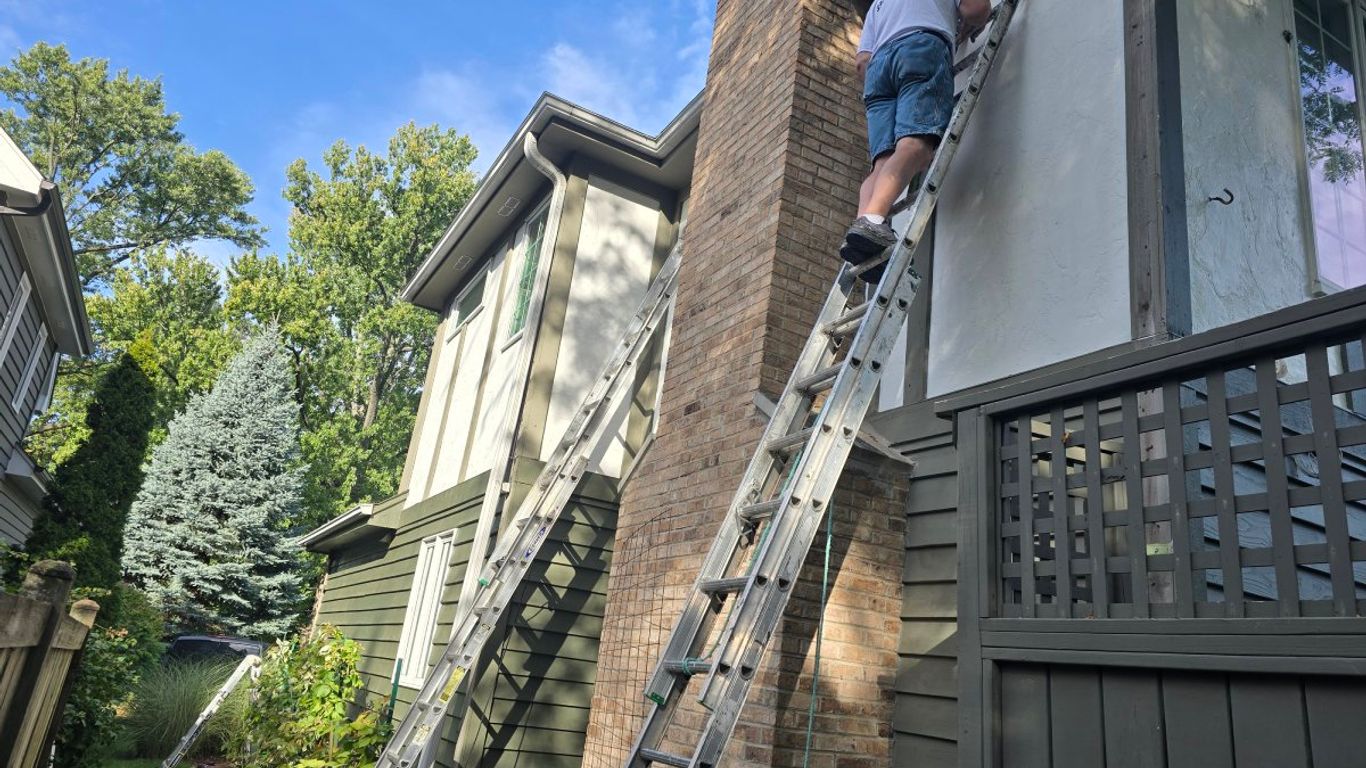
Here are the main things to remember when planning your exterior painting project to get the best results and a beautiful, long-lasting finish for your home.
Key Takeaways
- Proper surface prep, including cleaning and repairs, is the most important step for a paint job that lasts.
- Choosing the right time to paint, considering temperature and humidity, is vital for paint to cure correctly.
- Selecting the best type of paint and finish for your home’s surfaces will ensure durability and protection.
- Professional painters use special tools and techniques to achieve a high-quality, safe finish.
- Regularly checking and cleaning your painted exterior will help maintain its look and extend its life.
Understanding The Importance Of Exterior Painting
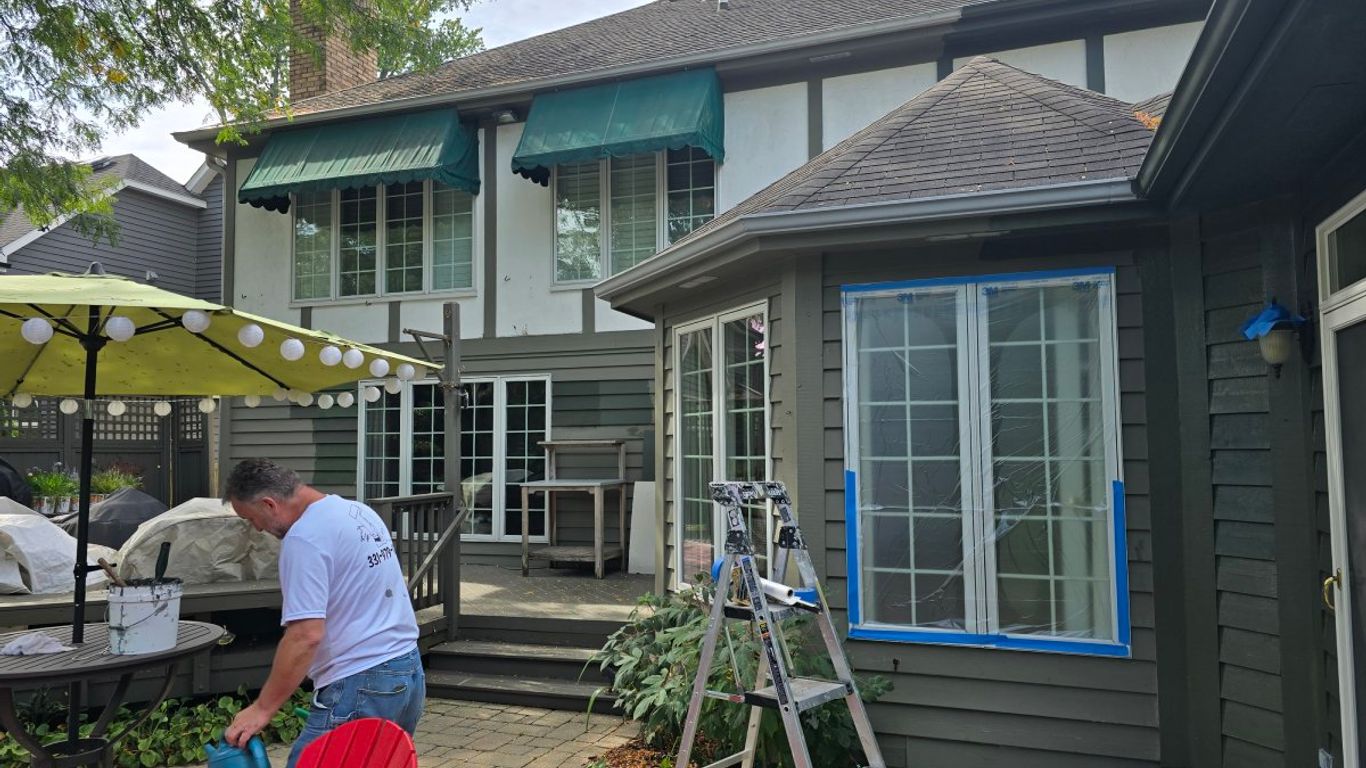
Think of your home’s exterior paint as its first impression and its shield. It’s not just about making things look pretty, though that’s a big part of it. A good paint job does a lot more for your house than you might realize.
Enhancing Curb Appeal With A Professional Finish
Let’s be honest, the way your house looks from the street matters. A fresh coat of paint can completely change how your home is perceived, making it look more inviting and well-cared for. It’s like giving your house a makeover that boosts its overall attractiveness. This isn’t just for your own enjoyment; it can also make a significant difference if you ever decide to sell. A home with great curb appeal often stands out and can even fetch a better price. It’s amazing what a difference the right color and a clean finish can make.
Protecting Your Home From The Elements
Beyond looks, exterior paint is a vital layer of defense. It seals surfaces against moisture, which can lead to rot and other damage, especially in wood. It also protects against the sun’s harsh UV rays, which can fade and degrade siding over time. Think of it as a protective suit for your house. Without this layer, your home is more exposed to things like mildew, algae, and general wear and tear from weather.
Here’s a quick look at what paint protects against:
- Moisture Intrusion: Prevents water from seeping into siding and structures.
- UV Damage: Shields surfaces from sun fading and degradation.
- Pests and Mildew: Creates a barrier that discourages growth and infestation.
- Temperature Fluctuations: Helps to manage expansion and contraction of materials.
Proper preparation and application are key here. Even the best paint won’t do its job if it’s applied over a dirty or damaged surface, or if the weather conditions aren’t right for curing.
The Lifespan Of Exterior Paint
How long does that protective layer actually last? It really depends on a few things. The quality of the paint you use, how well the surface was prepped before painting, and the kind of weather your home endures all play a role. Generally, you can expect a good exterior paint job to last anywhere from 5 to 10 years. Some materials, like wood siding, might need attention more often, perhaps every 3 to 7 years, because they expand and contract with the weather. Brick, if painted correctly, can hold up for much longer, sometimes 8 to 17 years. If you start seeing signs like peeling, chalking, or fading, it’s a pretty clear signal that it might be time for a refresh. Repainting your home is an investment that pays off in both looks and protection.
Preparing Your Home For Exterior Painting
Alright, so you’re ready to give your house a fresh coat of paint. That’s awesome! But before we even think about picking out colors or rolling anything on, we’ve got to talk about prep work. Honestly, this is probably the most important part. A great paint job is only as good as the prep work that goes into it. If you skip this, you’re basically setting yourself up for peeling paint and a whole lot of headaches down the road.
Surface Cleaning and Algae Removal
First things first, we need to get everything clean. Think about it – your exterior walls are constantly exposed to the elements. They collect dirt, dust, pollen, and sometimes, if you’ve got shady spots, you might even see some mildew or algae. You can’t just paint over that stuff. It’s like trying to put a sticker on a greasy surface; it’s just not going to stick well. We usually start with a good wash. Depending on how dirty things are, this could be a simple hose-down or a more thorough pressure wash. If there’s any sign of mold or mildew, a solution of water and bleach (about 3 parts water to 1 part bleach) works wonders. Just spray it on, let it sit for a bit, and then rinse it off really well. This makes sure the surface is totally clean and ready for the next steps.
Scraping and Repairing Damaged Surfaces
Once everything’s clean and dry, it’s time to inspect for any damage. Look closely for any areas where the old paint is peeling, flaking, or bubbling. All of that loose stuff has got to go. You can use a scraper, and sometimes a pole scraper is handy for those higher spots. After scraping, it’s a good idea to give the scraped areas a light sanding. This helps the new primer stick better. If you find any holes or soft spots in the wood or siding, those need to be filled with an exterior-grade wood filler. For older homes, especially those built before 1978, be super careful about lead paint. If you suspect it, it’s best to get it tested and handle it safely. You might need to wear a respirator and goggles when scraping or sanding overhead to keep dust out of your eyes and lungs. Learn about painting services can help you understand the full scope of what goes into a professional start.
The Crucial Role of Priming and Stabilizing
Now, for the primer. This step is non-negotiable, especially on bare wood or repaired areas. Primer acts like a bridge between your surface and the topcoat of paint. It helps the paint adhere better, makes the color look more vibrant, and can even block stains from showing through. For certain materials, like wood that has a lot of tannins (like cedar or redwood), you’ll want a special stain-blocking primer. For surfaces like stucco, a masonry primer is often needed to help stabilize the surface and prevent it from soaking up too much moisture from the paint. Think of primer as the foundation for your paint job. Without it, you’re building on shaky ground, and that’s never a good idea for something as important as your home’s exterior. It’s all about creating a solid, uniform base so that your final paint job looks fantastic and lasts for years to come.
Proper preparation is key to a long-lasting and professional finish. Skipping these steps can lead to premature paint failure, costing you more in the long run.
Choosing The Right Time For Exterior Painting
Picking the right time to paint your home’s exterior is more important than you might think. Get it wrong, and you could end up with paint that peels or cracks way too soon. It’s all about finding that sweet spot where the weather cooperates.
Ideal Weather Conditions For Optimal Curing
The best conditions for painting are mild, dry days with moderate temperatures. Think temperatures between 50 and 85 degrees Fahrenheit (10-25 degrees Celsius). This range allows the paint to adhere properly and cure without drying too fast or too slow. High humidity can really slow things down, and extreme heat can cause the paint to dry on the surface before it can properly bond with the house.
Here’s a quick look at what to aim for:
- Temperature: Consistently between 50°F and 85°F (10°C and 25°C).
- Humidity: Low to moderate. Avoid days with heavy fog or dew.
- Precipitation: Absolutely no rain. Also, make sure surfaces are completely dry from any previous rain.
- Sunlight: Direct, harsh sunlight can overheat surfaces. Painting in the shade or during cooler parts of the day is often better.
Painting in less-than-ideal weather might seem like a shortcut, but it often leads to costly repairs down the line. It’s better to wait for a good weather window than to rush the job and have the paint fail prematurely.
Seasonal Considerations For Exterior Painting
While you can technically paint any time of year if the weather allows, certain seasons are generally better than others. Spring and early fall are often considered the prime times for exterior painting. These shoulder seasons usually offer more stable weather patterns with milder temperatures and less humidity compared to the peak of summer or the dampness of winter. Summer can be good too, but you have to watch out for those scorching hot days that can cause paint to dry too quickly. Winter is usually a no-go due to the cold temperatures and potential for moisture.
Understanding Regional Weather Variations
What’s ideal weather in one part of the country might be different elsewhere. If you live in a region with very distinct seasons, you’ll need to be more mindful of your local climate. For example, areas with mild winters might have a longer painting season than those that experience harsh cold and snow. Coastal areas might deal with more humidity and wind, while desert regions could face extreme heat. It’s always a good idea to check local weather patterns and consult with local painting professionals to understand the best painting windows for your specific area. They’ll know if fall is surprisingly good in your town or if you need to be extra careful about spring showers.
Selecting The Best Exterior Paint And Finishes
Choosing the right paint isn’t just about picking a color you like. It’s about picking a product that will stand up to the weather, protect your home, and look good for years to come. Think of it like picking out a good coat for yourself – you want something that’s stylish but also keeps you warm and dry.
Paint Types For Different Exterior Surfaces
Not all surfaces are created equal, and neither are paints. Using the wrong type can lead to problems down the road, like peeling or fading.
- Wood Siding: This is a classic choice, but it needs a paint that can handle expansion and contraction with temperature changes. High-quality acrylic latex paints are usually the way to go here. They stay flexible and resist cracking.
- Vinyl and Aluminum Siding: These surfaces can get hot in the sun. You’ll want to use paints specifically designed for vinyl or metal siding. They often have special formulations to prevent warping or fading from heat.
- Stucco: Stucco is porous and can absorb moisture. It needs a breathable paint, often a masonry-specific acrylic, that allows moisture vapor to escape without damaging the finish. Proper priming is super important for stucco.
- Fiber Cement Siding: This material is pretty durable, but it still needs a good quality exterior paint. Acrylic latex paints work well, providing good adhesion and weather resistance.
Choosing The Right Sheen For Durability
The sheen, or how shiny the paint is, plays a big role in how well it holds up and how easy it is to clean. It’s not just about looks; it’s about performance.
- Flat/Matte: This finish hides surface imperfections really well and doesn’t reflect much light. It’s good for older homes or surfaces with a lot of texture. However, it’s the least durable and hardest to clean.
- Eggshell/Satin: These are popular choices for exteriors. They offer a bit of a sheen, making them more washable and durable than flat paint, but they still hide imperfections reasonably well. Satin is a bit more durable and easier to clean than eggshell.
- Semi-Gloss/Gloss: These finishes are very durable, easy to clean, and resist moisture well. They are great for trim, doors, and areas that get a lot of wear and tear. The downside is that the shinier the finish, the more it highlights any flaws on the surface.
The best sheen for most exterior applications, balancing durability and appearance, is typically a satin or semi-gloss.
Specialty Coatings And Textured Painting Options
Sometimes, a standard paint job just won’t cut it. Specialty coatings and textured finishes can add character and solve specific problems.
- Textured Paints: These can add a unique look to your home, mimicking materials like stucco or stone, or just adding a subtle visual interest. They can also help hide minor surface imperfections.
- Elastomeric Coatings: These are super flexible and thick coatings designed for surfaces like stucco or masonry. They can bridge small cracks and provide excellent waterproofing, which is great for homes in areas with a lot of rain or humidity.
- Stain-Blocking Primers: If you have issues with water stains, rust, or dark colors bleeding through, a good stain-blocking primer is a lifesaver. It seals those problems away before you even apply your topcoat.
When you’re picking out paint, don’t forget to think about the climate where you live. Coastal areas might need paints that can handle salt spray, while homes in very sunny spots need colors and finishes that resist fading. It’s all about matching the paint to your home’s environment for the longest-lasting results. For more on how different environments affect paint, you can check out regional weather variations.
Using the right paint and finish is a big part of making sure your exterior paint job not only looks great but also protects your home for years to come. It’s worth taking the time to get it right.
The Professional Exterior Painting Process
So, you’ve prepped your home, picked the perfect paint, and the weather’s looking good. Now comes the actual painting part. This is where the pros really shine, turning all that prep work into a beautiful, lasting finish. It’s not just about slapping paint on; it’s a careful, methodical process.
Expert Application Techniques
Professionals know that applying paint correctly is just as important as picking the right kind. They work from top to bottom, usually following the sun’s path across the house. This helps the paint dry evenly and prevents drips from ruining freshly painted sections below. Instead of one thick coat, which can lead to problems down the line, they’ll apply two thin, even coats. This method gives you better coverage and a much more durable finish. They’re also skilled with different tools, knowing when to brush, roll, or spray for the best results on various surfaces. For instance, spray painting is great for large, flat areas like siding, giving a super smooth look, but it needs careful masking to avoid overspray. You can learn more about how professionals handle different exterior surfaces here.
Specialized Equipment and Safety Measures
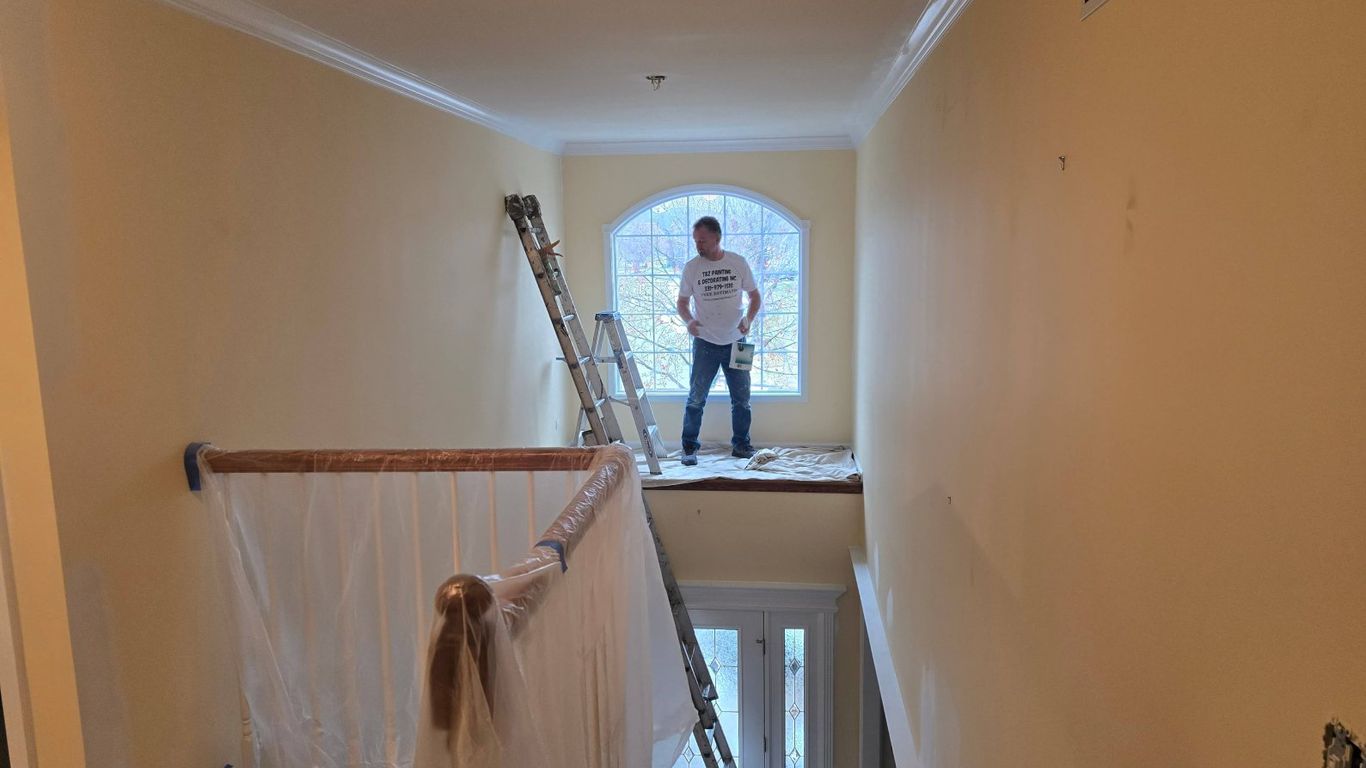
Painting a house, especially the higher parts, isn’t a job for a shaky ladder and a prayer. Professional painters use specialized gear to get the job done safely and efficiently. Think industrial sprayers for even coats, scaffolding for stable access to tricky spots, and safety harnesses for working at heights. This equipment not only helps them reach everywhere but also ensures they’re working safely, which is always the top priority. They also take care to protect your property, using drop cloths and masking tape to keep windows, doors, and landscaping safe from paint splatters.
Ensuring a Flawless Finish with Daily Cleanup
Part of what makes hiring professionals worth it is their commitment to keeping things tidy. They don’t just pack up and leave a mess at the end of the day. Daily cleanup is standard practice. This means your yard stays relatively clear, and you’re not tripping over supplies. They’ll mask off areas carefully to protect them, and at the end of each workday, they’ll tidy up the workspace. This attention to detail extends to the final inspection. Before they consider the job done, they’ll do a thorough walkthrough with you to make sure every detail is perfect and you’re happy with the result. It’s this combination of skill, safety, and tidiness that really makes a professional paint job stand out.
The difference between a DIY paint job and a professional one often comes down to the unseen steps. While you might see the final coat of paint, professionals spend significant time on surface preparation, using the right primers, and applying paint in thin, even layers. This meticulous approach is what prevents issues like peeling, bubbling, and fading, making the paint job last for years, not just months.
Maintaining Your Newly Painted Exterior
So, you’ve got that fresh, beautiful coat of paint on your home’s exterior. Looks great, right? But the job isn’t quite done yet. Keeping that paint looking good and protecting your house means a little bit of ongoing care. It’s not a ton of work, but it makes a big difference in how long that paint job lasts and how good your house looks year after year.
Regular Inspections For Early Detection
Think of this like a quick check-up for your house. You don’t need to be a paint expert to spot potential issues. Just take a walk around your home a couple of times a year, maybe in the spring and fall. Look for anything that seems off. Are there any small chips or cracks starting to form? Maybe some dirt or grime building up in certain spots? What about any signs of mold or mildew, especially in shaded areas or near downspouts? Catching these little things early is key. A tiny chip can turn into a bigger problem if water gets behind it, leading to peeling or even wood rot. It’s much easier and cheaper to fix a small chip than to repaint a whole section later on. Keep an eye on areas that get a lot of sun or are frequently wet, as these tend to show wear first. Simple maintenance tips can significantly extend the life of your paint.
Simple Cleaning Tips For Longevity
Keeping your exterior clean is surprisingly simple and really helps maintain the paint’s appearance and integrity. Most of the time, a good rinse with a garden hose is all you need to get rid of dust and light dirt. If you notice cobwebs or loose debris, a soft-bristled brush can easily sweep them away. For tougher spots, like mildew or stubborn stains, a mild cleaning solution – often a mix of water and a little bit of dish soap or a very diluted bleach solution – can do the trick. Just be sure to test any cleaner on an inconspicuous spot first. Always rinse thoroughly after cleaning to remove any soap residue. Avoid using high-pressure washers, as they can damage the paint and force water into the siding. Also, make sure sprinklers and hoses are directed away from painted surfaces to prevent constant moisture exposure. A light cleaning every few months can make a big difference keeping your exterior looking fresh.
When To Consider A Repaint
How often do you need to repaint? Well, it really depends. Generally, a good quality exterior paint job can last anywhere from 5 to 10 years. However, factors like the type of siding you have, the climate you live in, and how much direct sun or harsh weather your house gets can speed up wear and tear. Wood siding, for instance, might need attention more often than brick. You’ll know it’s time for a repaint when you start seeing significant fading, chalking (a powdery residue on the surface), or widespread peeling and blistering. Don’t wait until the paint is completely failing, as this can lead to underlying damage. If you notice bare spots where the paint has completely worn away, that’s a clear sign that protection is compromised. It’s better to get a quote for a refresh when you see these signs rather than waiting for more extensive repairs to become necessary. For many homes, a repaint is typically considered every 5 to 8 years, but always keep an eye on the actual condition of the paint itself.
Keeping your freshly painted exterior looking great is simple! Regular cleaning and quick touch-ups can make a big difference. For more tips on how to maintain your paint job and keep your home looking its best, visit our website.
Conclusion
Getting your home’s exterior painted is a big job, but it makes a huge difference. It not only makes your house look great from the street but also acts like a shield, protecting it from rain, sun, and everything else the weather throws at it. Picking the right time to paint and making sure the surface is prepped just right are super important for making the paint job last. When you do it right, you get a beautiful home that you can be proud of for years to come. If you’re thinking about painting your home’s outside, remember that good preparation and the right conditions are key to a job well done.
Frequently Asked Questions
How often should I repaint the outside of my house?
Most homes need a fresh coat of paint every 5 to 10 years. But, this can change depending on what your house is made of. For example, wood siding might need painting more often, maybe every 3 to 7 years, because it moves with the weather. If you start seeing paint that’s peeling or fading, it’s probably time for a refresh.
What’s the best weather for exterior painting?
You want mild weather, generally between 50 and 85 degrees Fahrenheit (10-25 Celsius). It should be dry, with low humidity, and no rain expected for at least a day or two. Painting when it’s too cold, too hot, or too damp can cause problems with how the paint sticks and dries.
Do I really need to clean the house before painting?
Yes, absolutely! Cleaning is a super important part of getting ready. Dirt, mold, mildew, and old, loose paint need to be removed. If you paint over these things, the new paint won’t stick well and will start to peel or bubble much sooner than it should.
What kind of paint should I use for my house exterior?
It depends on what your house is made of. For most surfaces like wood, vinyl, or metal siding, a high-quality acrylic latex paint is a good choice because it’s flexible and lasts a long time. For things like brick or stucco, you might need special paints that let moisture escape.
Can I paint my house myself, or should I hire someone?
You can definitely paint it yourself if you have the time and energy! But, hiring a professional painter means you get a job done quickly by people who know what they’re doing. They have the right tools and skills to get a smooth, even finish, especially on tricky spots or high areas. Plus, they handle all the prep work.
What’s more important: the paint or the preparation?
Honestly, preparation is probably even more important than the paint itself. You can have the most expensive paint, but if the surface isn’t cleaned, scraped, and primed correctly, the paint won’t last. Think of it like building a house – a strong foundation is everything.