
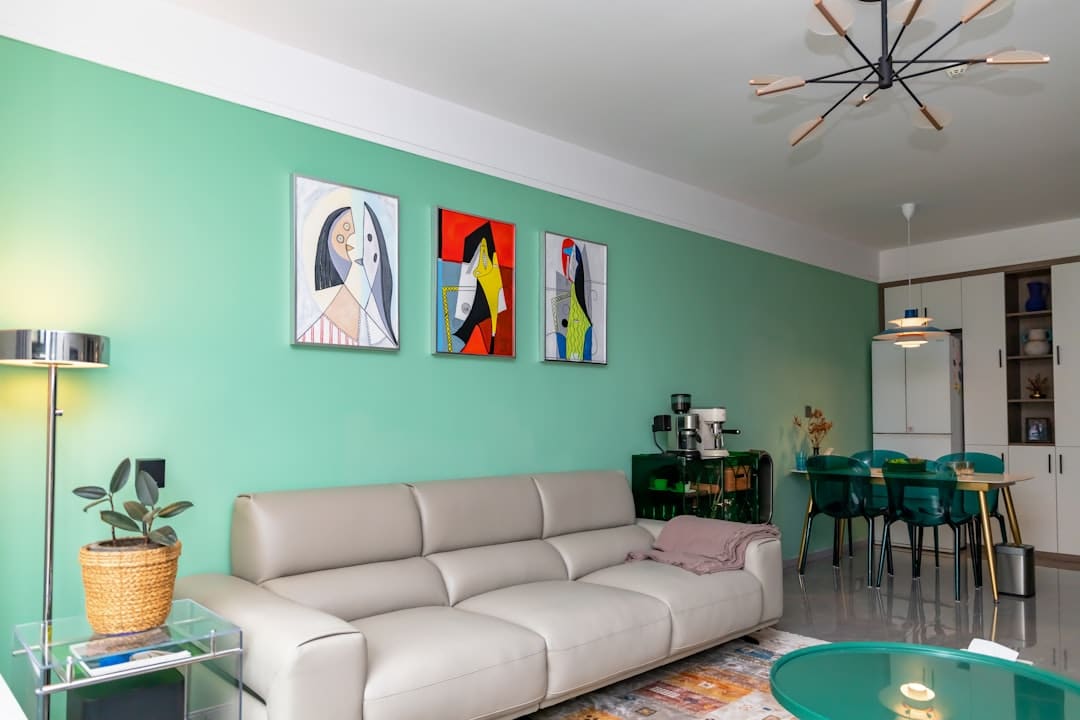
Why You Should Never Use Exterior Paint Inside Your Home
Use exterior paint inside your home might seem like a practical way to use up leftover paint, but it’s a decision that can seriously compromise your health and the quality of your interior finish. While both types of paint may look similar in the can, they’re formulated with very different purposes in mind—and those differences matter enormously when it comes to indoor air quality and long-term performance.
Quick Answer: Should You Use Exterior Paint Inside?
No. Here’s why:
- Health Hazard: Exterior paint contains up to 17 times more VOCs (volatile organic compounds) than interior paint, which can cause headaches, nausea, dizziness, and long-term health issues in enclosed spaces.
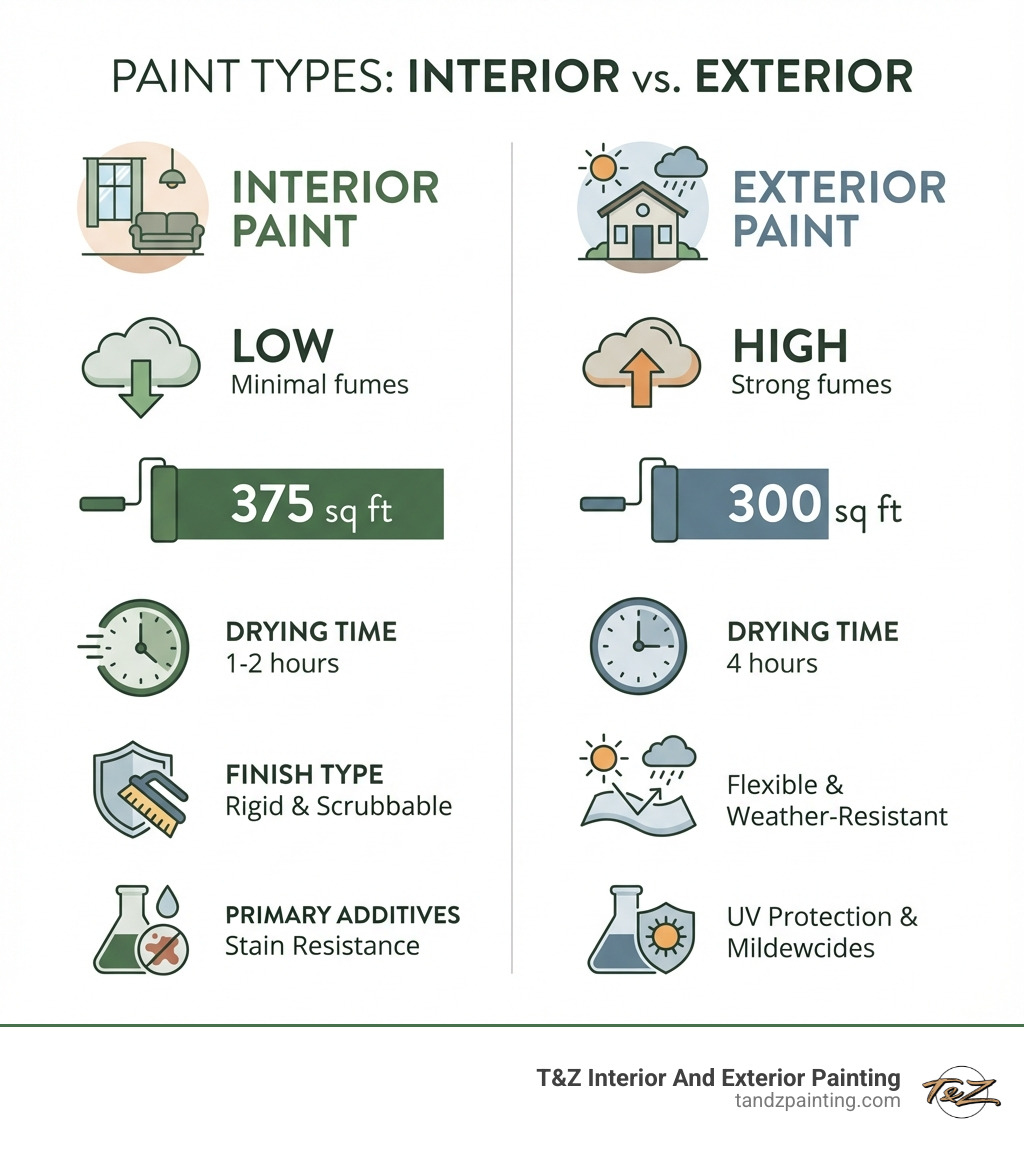
- Poor Performance: It dries slower indoors (up to 4 hours between coats vs. 1-2 hours for interior paint), creates a softer finish that scratches easily, and lacks UV light needed for proper curing.
- Lower Coverage: Exterior paint covers only about 300 sq ft per gallon compared to 375 sq ft for interior paint, requiring more paint for the same area.
- Difficult to Clean: Exterior paint’s waterproof properties make it harder to clean with typical household products.
Have you ever stared at that half-empty can of exterior paint in your garage and thought, “Can I just use this for my bedroom?” You’re not alone. It’s a common question that seems to make practical sense—after all, paint is paint, right? Unfortunately, the answer is more complicated, and the consequences of mixing up these two formulations can affect everything from your family’s health to the long-term look of your walls.
The truth is, interior and exterior paints are engineered for completely different environments. Exterior paint is built to withstand rain, UV rays, temperature swings, and mildew—conditions your living room will never face. Interior paint, on the other hand, is designed for comfort, safety, and easy maintenance in spaces where you and your family spend most of your time.
In this guide, we’ll break down exactly what makes these paints different, why using exterior paint indoors is a genuine health risk, how it performs poorly compared to interior paint, and what to do if you’ve already made this mistake. You’ll also learn when (if ever) there might be exceptions, and how to choose the right paint for every project in your home.
I’m Tomasz Niemotko, owner of T&Z Interior And Exterior Painting Contractors, and over the past 13 years, I’ve seen the problems that arise when homeowners use exterior paint inside—from persistent odors and health complaints to finishes that never quite cure properly. My team and I have helped countless clients remediate these issues and understand the critical differences between paint types before starting their projects.
The Science Inside the Can: Interior vs. Exterior Paint Formulations
At first glance, paint might seem like a simple product—a liquid that changes the color of a surface. But dive a little deeper, and you’ll find that paint is a complex chemical cocktail, carefully engineered for specific conditions. The primary differences between interior and exterior paints lie in their core components: binders, pigments, and additives. These elements are chosen and balanced to optimize performance for either indoor or outdoor environments.
| Property | Interior Paint | Exterior Paint |
|---|---|---|
| Binders | Rigid resins for durability against abrasion | Flexible resins to expand/contract with temperature |
| Additives | Stain-resistant, scrubbable, low odor | UV protection, mold/mildew inhibitors, weather-res. |
| VOC Level | Significantly lower (often low- or zero-VOC) | Significantly higher |
| Flexibility | Less flexible, more rigid | Highly flexible |
| Best Use | Walls, ceilings, trim in controlled environments | Siding, trim, fences exposed to elements |
Binders are the glue that holds the paint together and helps it adhere to the surface. Pigments provide the color and opacity. Additives are the special ingredients that give paint its unique properties, such as resistance to mildew, UV protection, or scrubbability. Finally, resins are a type of binder that dictates the paint’s flexibility and hardness.
Built for Comfort: The Makeup of Interior Paint
Interior paints are crafted with your comfort and the longevity of your indoor surfaces in mind. Their formulation prioritizes factors like low odor, easy cleanup, and resistance to everyday wear and tear within a controlled environment.
A key characteristic of interior paint is its use of rigid resins. These resins provide a hard, durable surface that can withstand bumps, scuffs, and frequent cleaning without breaking down. This is why interior paints are often described as being scrubbable and stain-resistant, making them ideal for busy homes in Lombard, Elmhurst, or Wheaton, where walls might see a lot of action. The goal is a smooth, aesthetically pleasing finish that can be maintained with ease.
Crucially, interior paints contain much lower levels of volatile organic compounds (VOCs). This is paramount for maintaining healthy indoor air quality. We want our homes to be safe havens, and using low-VOC interior paints helps ensure that. They are specifically designed for optimal adhesion to common indoor surfaces like drywall, plaster, and wood trim. When you choose interior paint, you’re choosing a product that understands the unique needs of your living spaces.
To ensure your indoor spaces receive the custom care they deserve, explore our specialized Interior Painting Services.
Built for Battle: The Makeup of Exterior Paint
Now, let’s look at exterior paint. It’s a completely different beast, built to face the harsh realities of the outdoors in places like Plainfield, Lockport, or Downers Grove. Exterior paint’s primary mission is to protect your home from the elements and maintain its appearance despite constant exposure.
Exterior paints feature flexible resins. These resins allow the paint film to expand and contract with the fluctuating temperatures common throughout the seasons, preventing cracking and peeling. Imagine the extreme temperature swings our homes in the Chicagoland area experience—exterior paint is designed to handle that!
Furthermore, exterior paints are loaded with specialized additives. These include powerful UV protection additives to resist fading from the sun’s relentless rays, and robust mold and mildew resistance to combat moisture. These properties are essential for protecting your home’s exterior surfaces, but they are unnecessary—and even harmful—indoors. Because of these protective additives, exterior paints typically have significantly higher VOCs than their interior counterparts. They are formulated to cure and settle outdoors, where ventilation is naturally abundant.
For robust protection and a beautiful finish that stands up to the elements, learn more about our Exterior Painting Services.
The Hidden Dangers: Why You Shouldn’t Use Exterior Paint Inside
When you decide to use exterior paint inside, you’re essentially bringing outdoor-grade chemicals into a confined space. This isn’t just about aesthetics; it’s a serious concern for your indoor air quality and, consequently, your health. Unlike the vast open spaces outside, the interior of your home doesn’t have the same capacity to dissipate harmful fumes. This can lead to a buildup of airborne chemicals, causing immediate and long-term health problems. We often hear about people experiencing various health symptoms after painting with the wrong product, and it’s a clear indicator that something isn’t right. The continued release of these chemicals, known as off-gassing, can persist for a surprisingly long time.
The Problem with VOCs and Indoor Air Quality
The main culprits behind the health concerns are volatile organic compounds (VOCs). As defined by the EPA, these are “chemicals released as gases from the paint as it cures and dries.” While both interior and exterior paints contain VOCs, the difference in quantity is staggering. Exterior paints contain significantly higher amounts of VOCs because they need strong, weather-resistant properties.
The research highlights a critical point: using exterior paint inside can release up to 17 times more VOCs into your home than if you use interior paint. This higher concentration indoors means that the air you breathe becomes saturated with these gases. Manufacturers create paint to cure and settle outdoors, where constant airflow can dilute these emissions. When these high-VOC paints are brought indoors, the lack of adequate ventilation means they can continue to off-gas for years, creating a persistent source of indoor air pollution.
Health Risks Associated with Using Exterior Paint Inside
The liftd levels of VOCs and other chemical additives in exterior paint pose a range of health risks when used indoors. For many, the effects can be immediate and noticeable: irritation to eyes, nose, and throat, headaches, nausea, and dizziness are common short-term symptoms. Imagine trying to relax in your living room in Carol Stream or Addison with these kinds of symptoms—not very comfortable, is it?
However, the concerns extend beyond immediate discomfort. Prolonged exposure to high concentrations of VOCs can lead to more severe, long-term health issues, including damage to the central nervous system, liver, and kidneys. Some VOCs are even classified as carcinogens and can contribute to long-term health risks.
Beyond VOCs, exterior paints often contain powerful mildewcides and fungicides to combat outdoor growth. While crucial for external protection, these chemicals can be dangerous to inhale in confined indoor spaces. They can trigger allergic reactions or respiratory issues in sensitive individuals, children, and pets. It’s clear that the robust protection designed for your home’s exterior should stay there, far away from your indoor breathing air.
Performance and Durability: How Exterior Paint Fails Indoors

Beyond the health implications, trying to use exterior paint inside your home in areas like La Grange or Elmhurst will almost certainly lead to disappointing aesthetic and functional results. Exterior paint is simply not designed for the wear and tear, or the visual expectations, of an interior space. Its unique properties, so beneficial outdoors, become liabilities when trapped inside. We’ve seen many instances where homeowners regretted the decision due to the poor finish and constant maintenance issues.
Curing, Drying, and Finish Issues
One of the first things you’ll notice when trying to use exterior paint inside is the difference in its behavior during and after application. Exterior paint often has a slower recoat time. While interior paint typically allows for a second coat in one to two hours, exterior paint can require up to four hours between coats. This extended drying time is exacerbated indoors due to limited air circulation, making your painting project drag on much longer than necessary.
More importantly, exterior paints are formulated to use UV light for proper curing. Indoors, away from direct sunlight, this curing process can be severely hampered or never fully complete. The result? A paint film that remains softer and stickier than interior paint. This soft finish is highly prone to scuffs and scratches from everyday contact, such as furniture brushing against the wall or even just cleaning. It can also feel slightly tacky to the touch, and some surfaces might even stick together if they remain in contact for too long. Instead of a smooth, rigid finish, you’re left with a compromised surface that constantly shows wear.
Durability and Maintenance Challenges When You Use Exterior Paint Inside
The very properties that make exterior paint durable outdoors make it unsuitable for interior applications. Its flexible nature, designed to withstand expansion and contraction, means it’s not designed for indoor abrasion. Interior walls need to resist impact, scuffs, and frequent cleaning, which exterior paint simply cannot do effectively.
When it comes to cleaning, exterior paint can be particularly frustrating. While some exterior paints are waterproof, their surface composition often makes them difficult to clean with typical indoor cleaning products without damaging the finish. They lack the specialized binders that give interior paints their scrubbability and stain resistance, meaning marks and smudges are likely to become permanent fixtures on your walls.
Finally, let’s talk about coverage. You might think you’re being efficient by using leftover exterior paint, but you’ll likely need more of it. Exterior paint has a lower spread rate than interior paint. On average, one gallon of water-based exterior paint covers about 300 square feet, while a gallon of interior paint covers approximately 375 square feet. This means you’ll need more paint to cover the same area, which adds to the overall effort.
Making the Right Choice (and Fixing a Mistake)
We understand that accidents happen, or sometimes, out of a desire for efficiency, the wrong paint might get used. But once you understand the significant differences and risks, making the right choice for future projects becomes clear. If you find yourself in a bind after using the wrong paint, don’t panic—there are steps we can take to fix it.
What to Do If You’ve Already Used Exterior Paint Indoors
If you’ve already made the mistake of using exterior paint on your interior walls, don’t despair. While it’s not an ideal situation, there are steps you can take to mitigate the health risks and improve the performance of your walls. Our team at T&Z Interior And Exterior Painting has helped many homeowners in areas like Schaumburg and Woodridge correct such issues.
Here’s a list of remediation steps:
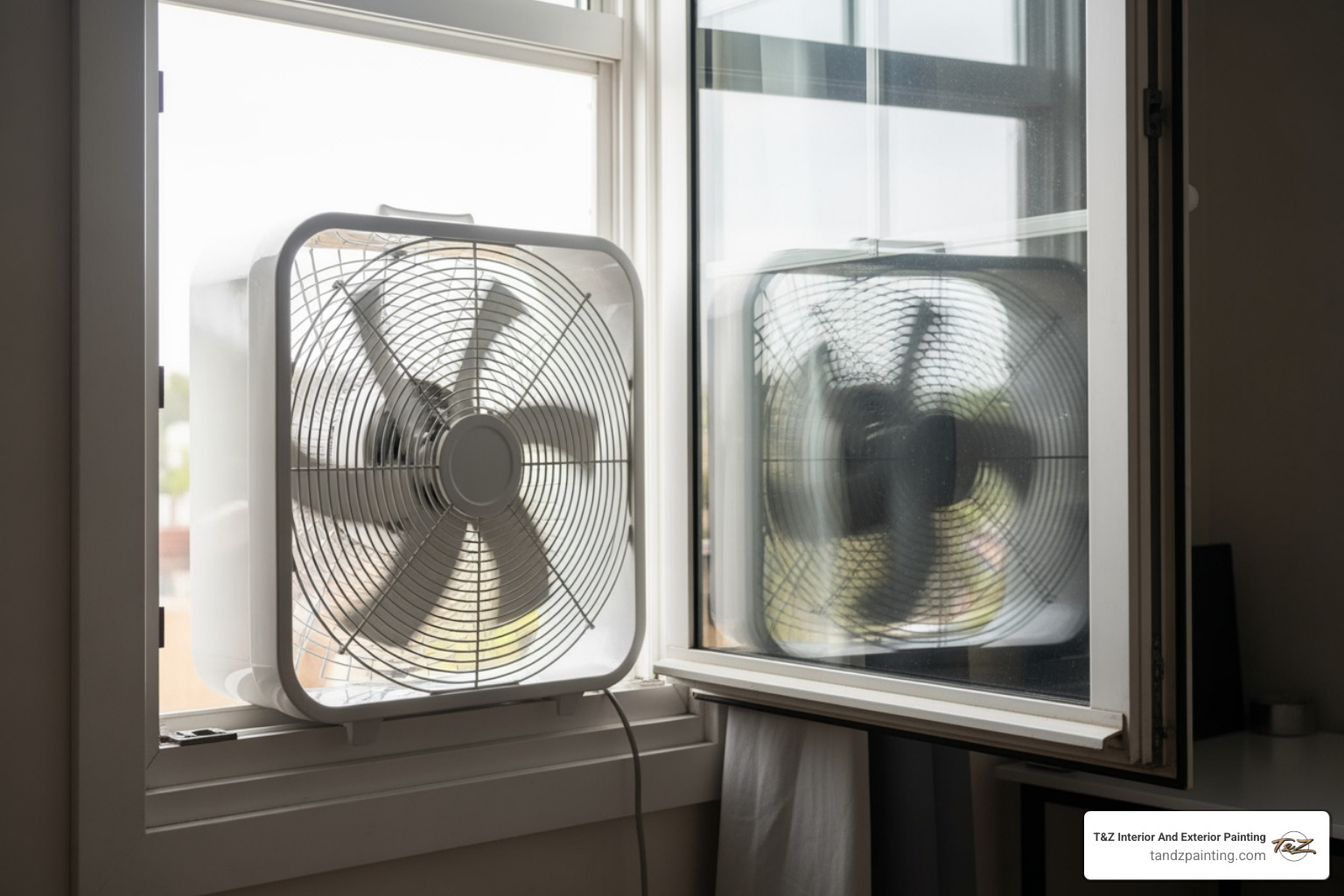
- Ventilation is Key: Immediately and thoroughly ventilate the affected room. Open all windows and doors to the outside. Use fans to create cross-ventilation and exhaust fumes out of the house. Continue this for as long as possible, even after the paint feels dry to the touch, as off-gassing can persist.
- Allow to Fully Cure: Give the exterior paint ample time to cure as much as it can. This might take several days or even weeks, depending on the paint type and humidity levels. The goal is to allow as many VOCs as possible to dissipate before sealing.
- Sealing with a High-Quality Primer: Once the exterior paint is as dry and cured as it can be, apply a high-quality, stain-blocking interior primer. Look for primers specifically designed to seal odors and block stains. This step is crucial for encapsulating the remaining VOCs and providing a proper surface for new paint.
- Repainting with Interior Paint: After the primer has thoroughly dried and cured according to its manufacturer’s instructions, you can then repaint the walls with a high-quality interior paint. Choose a low- or zero-VOC interior paint to ensure optimal indoor air quality moving forward.
Safety first. Wear appropriate protective gear, including a respirator, during the remediation process, especially during initial ventilation and priming.
The Reverse Scenario: Can Interior Paint Go Outside?
If you’re wondering if you can use interior paint for outdoor projects, the short answer is a resounding No. Just as exterior paint is ill-suited for indoor use, interior paint lacks the necessary properties to withstand the rigors of the outdoor environment.
Interior paints are not formulated with the flexible resins, UV blockers, and mildewcides found in exterior paints. If you were to use interior paint on your home’s siding or trim, you would quickly see it fail. It would lack durability, leading to premature cracking and peeling. The color would quickly start fading due to sun exposure, and it would offer no weather resistance against rain, snow, and humidity, making it susceptible to moisture damage and mold growth.
For projects like painting your home’s exterior in Lockport or Plainfield, choose a paint specifically designed for outdoor conditions. Understanding When Is The Best Time To Paint The Exterior Of Your Home? can also help ensure the longevity of your exterior paint job.
Are There Any Exceptions? (Garages, Sheds, etc.)
We often get asked if there are any special situations where it might be okay to use exterior paint inside. What about a garage, a shed, or a workshop? These spaces are often seen as less critical than living areas, and sometimes homeowners want to use up leftover exterior paint.
While these areas are generally less inhabited than your main living spaces, and often have better ventilation, our recommendation remains consistent: it’s still not ideal. The primary concern is still the release of VOCs. Even in a garage or shed, these chemicals can accumulate, especially if the space is attached to your home or used frequently.
If you absolutely must use exterior paint in such a utility space, extreme ventilation is paramount during and long after application. Keep windows and doors open, use industrial fans, and avoid spending extended periods in the area until the paint has fully cured and off-gassed as much as possible. However, the best practice is always to use paint specifically formulated for the space. For instance, a dedicated garage floor paint or a utility-grade interior paint would perform better and be safer than exterior house paint.
Frequently Asked Questions about Interior and Exterior Paint
We understand that choosing the right paint can be confusing with so many options available. Here are some of the most common questions we receive from homeowners in Elmhurst, Glenview, and Wilmette about interior and exterior paints.
What are the main differences between interior and exterior paint?
The main differences boil down to their chemical composition, specifically the binders, additives, and VOC levels. Exterior paints contain specialized additives for UV protection and mold/mildew resistance, and their binders are more flexible to withstand temperature fluctuations. Interior paints, on the other hand, have more rigid binders for scrubbability and stain resistance, and crucially, significantly lower VOC levels for better indoor air quality.
What is the biggest risk of using exterior paint inside?
The biggest risk of using exterior paint inside is to your health. The high concentration of VOCs and other chemical additives in exterior paint will off-gas into your enclosed indoor space, leading to poor indoor air quality. This can cause immediate symptoms like headaches, nausea, and respiratory irritation, and potentially more serious long-term health issues, including exposure to carcinogens.
How do I choose the right paint for my interior project?
Choosing the right paint for your interior project involves considering a few key factors:
- Room’s Use: For high-traffic areas like hallways or kitchens, you’ll want durable, scrubbable paint. For bathrooms or laundry rooms, look for paints with mildew resistance. For low-traffic areas like bedrooms, a less durable finish might be perfectly fine.
- Desired Finish: Paint finishes range from flat/matte (least reflective, best for hiding imperfections) to eggshell, satin, semi-gloss, and high-gloss (most reflective, most durable, easiest to clean). We can help you select the ideal finish for each room’s function and aesthetic.
- VOC Content: Always opt for low-VOC or zero-VOC interior paints to ensure the best indoor air quality for your family.
Proper preparation is also essential for any interior painting project. Learn more about How To Prepare A House For Painting to ensure a flawless finish.
Trust Your Walls to the Right Product
When it comes to painting your home, whether inside or out, the message is clear: the right paint for the right job makes all the difference. Prioritizing health, performance, and durability means always choosing paint that’s specifically formulated for its intended environment. Trying to use exterior paint inside is a shortcut that can lead to significant health risks and disappointing results that don’t stand the test of time.
At T&Z Interior And Exterior Painting, we believe in delivering quality, stunning results for every project in Lombard, Lemont, Downers Grove, and all our service areas. Our experienced teams understand the nuances of paint formulations and how to achieve a beautiful, lasting finish safely. We use top-brand materials and provide excellent customer service, guiding you through every step of the process. Don’t compromise on your home’s beauty or your family’s health.
Ready for a flawless interior paint job? Explore our Interior Painting Services and let us help you transform your space with the perfect paint.