
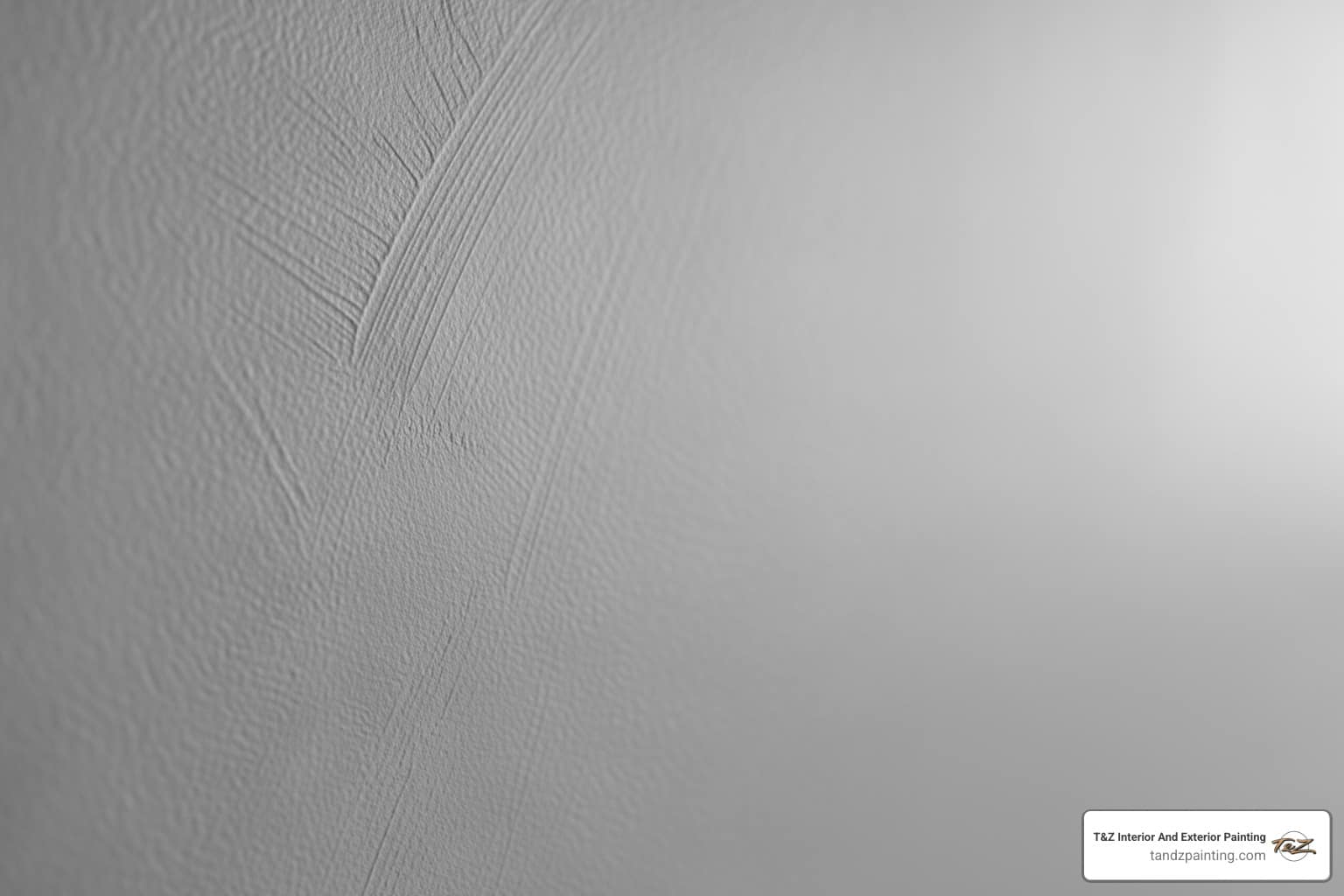
Why Homeowners Are Choosing Matte Finish Paint
Matte finish paint has become one of the most sought-after choices for interior walls, offering a sophisticated, non-reflective surface that transforms ordinary rooms into neat spaces. Here’s what you need to know:
- What it is: A low-sheen paint finish with 3-10% light reflectivity
- Key benefit: Hides wall imperfections better than any other finish
- Best for: Living rooms, bedrooms, dining rooms, and ceilings
- Trade-off: Less durable and harder to clean than satin or semi-gloss
- Modern solution: New washable matte formulations offer improved durability
When it comes to painting, selecting the right finish is as crucial as choosing the perfect color. The sheen of your paint—how much light it reflects—affects not just aesthetics but also durability, cleanability, and how well it hides flaws.
Matte finishes absorb light instead of reflecting it, creating that coveted velvety appearance. This light-absorbing quality means bumps, patches, and minor wall damage virtually disappear. It’s why interior designers reach for matte paint when they want color to be the star of the show, not surface imperfections.
But matte paint isn’t perfect for every situation. Traditional matte finishes are more susceptible to stains and scuff marks than glossier options. They don’t hold up well to frequent cleaning, which is why they’ve historically been avoided in high-traffic areas like hallways, kitchens, and bathrooms.
That’s changing. Recent technological advances have produced washable matte paints that resist moisture and stains while maintaining that signature soft finish. These innovations are expanding where homeowners can use matte paint throughout their homes.
I’m Tomasz Niemotko, and over my 13 years leading T&Z Interior And Exterior Painting Contractors in Lombard, I’ve helped hundreds of homeowners select and apply Matte finish paint to achieve stunning, long-lasting results. Understanding the true capabilities and limitations of matte finishes has been essential to delivering the quality our clients expect.
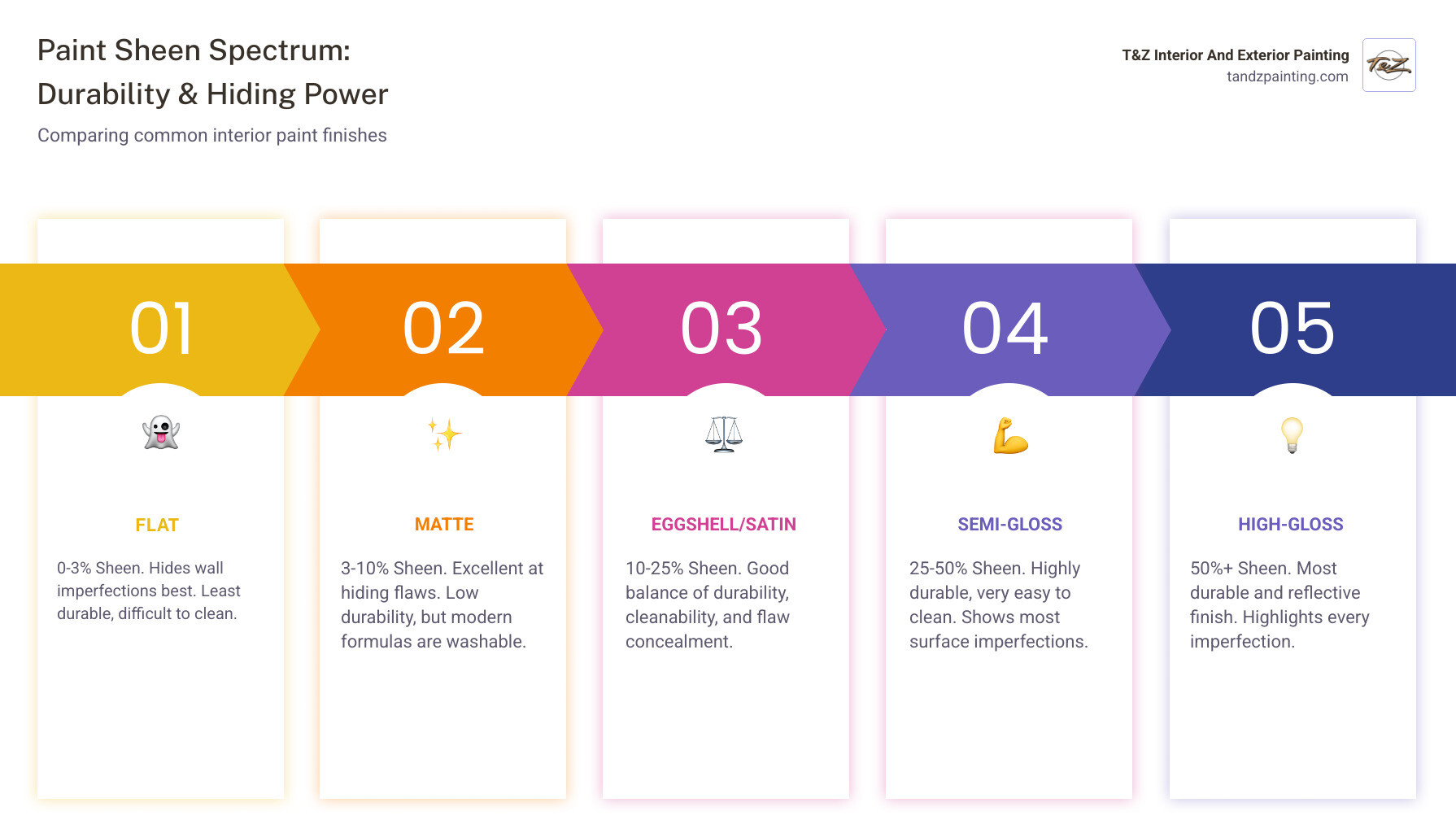
Matte finish paint terms explained:
Defining Matte finish paint and Its Unique Properties
When we talk about Paint sheen, we are essentially measuring how much light bounces off a dried paint surface. Matte finish paint sits at the lower end of this spectrum, typically reflecting between 3% and 10% of the light that hits it. To understand why it looks the way it does, we have to look at its “recipe.”
The science behind this involves something called Pigment-Volume Concentration (PVC). In paint technology, the ratio of resinous binder to solid pigment determines the sheen. Matte paints have a higher concentration of pigment and less binder. Because there is less binder to create a perfectly smooth, plastic-like film, the tiny pigment particles remain slightly exposed on the surface. When light hits these microscopic “bumps,” it scatters in every direction—a process known as light diffusion—rather than bouncing back in a straight line like a mirror.
This diffusion is the secret sauce of our Interior Painting Services. It creates a soft, velvety texture that feels “quieter” to the eye. It’s perfect for the historic homes we often see in La Grange or the modern builds in Plainfield where large windows can create distracting glares on glossier walls.
Comparing Matte to Satin and Gloss
Choosing a finish is a balancing act. As we often tell our clients in Wheaton and Downers Grove, the general rule of thumb is: the higher the gloss, the higher the shine and durability.
| Finish Type | Sheen Percentage | Durability | Hide-Flaw Capability |
|---|---|---|---|
| Flat | 0-3% | Low | Excellent |
| Matte | 3-10% | Moderate | High |
| Eggshell | 10-25% | Moderate | Moderate |
| Satin | 25-35% | High | Low |
| Semi-Gloss | 35-70% | Very High | Very Low |
| High-Gloss | 85-100% | Extreme | None (Highlights flaws) |
While Painting with a high-gloss finish provides a mirror-like shine that is incredibly easy to wipe down, it also acts like a magnifying glass for every dent, scratch, and poorly sanded patch on your wall. Satin sits in the middle, offering a soft glow and good washability. Matte finish paint, however, provides the most sophisticated “designer” look while being much more forgiving of the wall’s history.
Why Matte finish paint Hides Wall Imperfections
If your walls have seen better days—perhaps they are the original plaster in an older Elmhurst home or have been patched numerous times—matte is your best friend. According to the Graphic Standards Field Guide to Residential Construction, flat and matte finishes are the most effective at concealing surface irregularities.
Because matte paint doesn’t reflect light in a “specular” (mirror-like) way, it doesn’t create highlights on the high points of a bump or shadows in the low points of a scratch. It creates a uniform, opaque appearance that makes the wall look perfectly flat, even if it isn’t. Of course, we always recommend following a proper guide on How to Prepare a House for Painting to get the best results, but matte paint is certainly the most forgiving partner in that process.
The Aesthetic Benefits of Using Matte Paint in Your Home
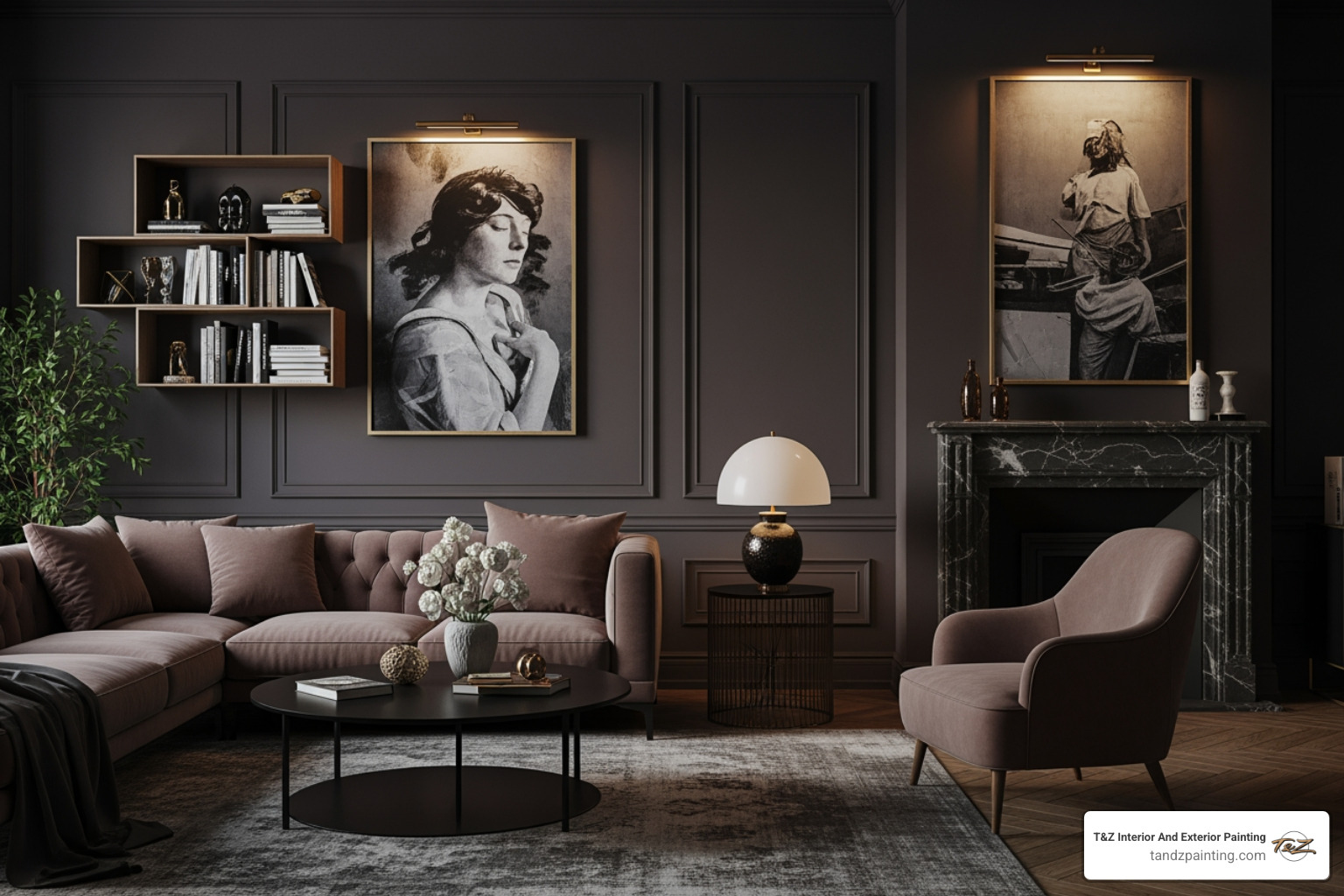
There is a reason you see Matte finish paint in high-end architectural magazines and luxury hotels in Chicago. It offers a depth of color that glossier paints simply can’t match. Because the light isn’t bouncing off the surface, you see the true, raw pigment of the color.
Enhancing Perceived Home Value with Sophisticated Finishes
Our Interior Designer partners often suggest matte finishes to create a “moody” or “expensive” atmosphere. In rooms with plenty of natural light, like those beautiful sunrooms in Wilmette, matte paint prevents the walls from becoming a source of eye strain. It absorbs the sun’s rays, leaving behind a rich, saturated color that feels warm and inviting.
If you are looking to increase your home’s appeal before a sale in Schaumburg or Glenview, a fresh coat of matte paint in a neutral, modern tone can add significant “visual weight” and a sense of luxury. You can see examples of this in our Portfolio, where we’ve used matte finishes to give rooms a velvety, high-end feel that glossier paints struggle to replicate.
Creating Focal Points with Matte finish paint
Matte is also a secret weapon for accent walls. If you have a prized piece of artwork, a matte backdrop ensures that the light focuses on the art, not the reflection on the wall behind it. For those dealing with Small House Painting Challenges, using a dark matte color on a single wall can actually make the room feel deeper and more spacious because the boundaries of the wall become less distinct without light reflections.
Limitations and Durability of Matte Surfaces
We believe in being honest with our neighbors in Lombard and Carol Stream: traditional matte paint does have its quirks. The biggest challenge is “burnishing.” Because the pigment particles are slightly exposed, if you rub the wall too hard with a cloth or if furniture constantly scrapes against it, those particles get flattened out. This creates a permanent shiny spot that ruins the uniform matte look.
Furthermore, because the surface is more porous (due to that lower binder-to-pigment ratio), it can act like a sponge for oils and stains. In the past, this meant matte was a “no-go” for kitchens or homes with active toddlers and pets.
Modern Washable Matte Options for High-Moisture Areas
Thankfully, paint technology has come a long way. Products like those detailed in the Licetto technical sheet have changed the game. We now have access to “washable matte” paints that use advanced resins to provide a scrubbable surface without adding shine.
These formulations are water-repellent and resistant to scuffs and stains. This means you can finally have that powdery matte look in a bathroom or even when considering Can You Paint Kitchen Cabinets? (though we usually recommend a bit more sheen for cabinets). Many of these modern options are also VOC-free, making them a safer choice for your family’s indoor air quality.
Best Practices for Applying and Maintaining Matte Walls
Applying Matte finish paint requires a steady hand to avoid “lap marks”—those darker stripes that appear where one stroke of wet paint overlaps a partially dried one. Because matte paint dries relatively quickly and has a high pigment load, maintaining a “wet edge” is vital.
For large open spaces in Woodridge or Addison homes, we often use our Spray Painting Services. Spraying provides the most uniform distribution of pigment, ensuring that velvety texture is consistent from corner to corner. If you are a DIYer, following a guide like How to apply Licetto matte paint can help you understand the specific stroke techniques needed for these high-performance paints.
How to Clean and Maintain Matte finish paint
When it comes to cleaning, the “less is more” rule applies. If you find a smudge on your matte walls in Lockport or Plainfield, do not reach for the abrasive scrubby side of the sponge!
According to the Matte finish care guide, you should:
- Use a soft microfiber cloth or sponge.
- Apply a mild detergent (like a drop of dish soap) mixed with warm water.
- Wipe gently in a straight motion—never rub in circles, as this is the fastest way to cause burnishing.
- Dab the area dry with a clean towel to prevent water spots.
If you are wondering about more intensive areas, such as whether Kitchen Cabinet Painting: Is It a Good Idea? using matte finishes, high-touch surfaces will always be easier to maintain with a bit more sheen, but a high-quality washable matte can work if you’re committed to gentle cleaning.
Frequently Asked Questions about Matte Paint
Is matte paint suitable for bathrooms and kitchens?
In the past, we would have said no. However, with modern “Aura Bath & Spa” or “Licetto” formulations, you can absolutely use matte in these spaces. These specific paints are designed to withstand high humidity and frequent wiping without losing their flat appearance. Just ensure you aren’t using a standard “flat” ceiling paint on your bathroom walls!
Can you touch up matte paint without repainting the whole wall?
One of the best things about Matte finish paint is its touch-up capability. Because it doesn’t have a directional sheen, new paint blends into the old paint much better than it would with a satin or semi-gloss finish. We recommend using the same application method (roller or brush) that was used originally and “feathering” the edges of the touch-up.
How does matte paint differ from flat paint?
The terms are often used interchangeably, but there is a slight difference. Flat paint usually has 0-3% sheen and is the most non-reflective (and least durable). Matte paint is a step up, with 3-10% sheen. It offers a tiny bit more “enamel” strength, making it slightly more durable and washable than a true flat paint while still looking non-reflective to the naked eye.
Conclusion
Choosing Matte finish paint is about more than just a trend; it’s about creating a specific feeling in your home. Whether you want to hide the imperfections of an older home in La Grange or create a sophisticated, glare-free sanctuary in a modern Chicago condo, matte paint offers a unique combination of beauty and utility.
At T&Z Interior And Exterior Painting, we pride ourselves on delivering stunning results for our neighbors across Lombard, Wheaton, and the surrounding suburbs. We combine years of experience with top-brand materials to ensure your matte walls look velvety, rich, and flawless.
If you’re ready to transform your space with the neat touch of matte paint, we’re here to help. From professional color consulting to expert application, we ensure your project is handled with the care it deserves. Contact us today to explore our Interior Painting Services and let’s bring your vision to life!