
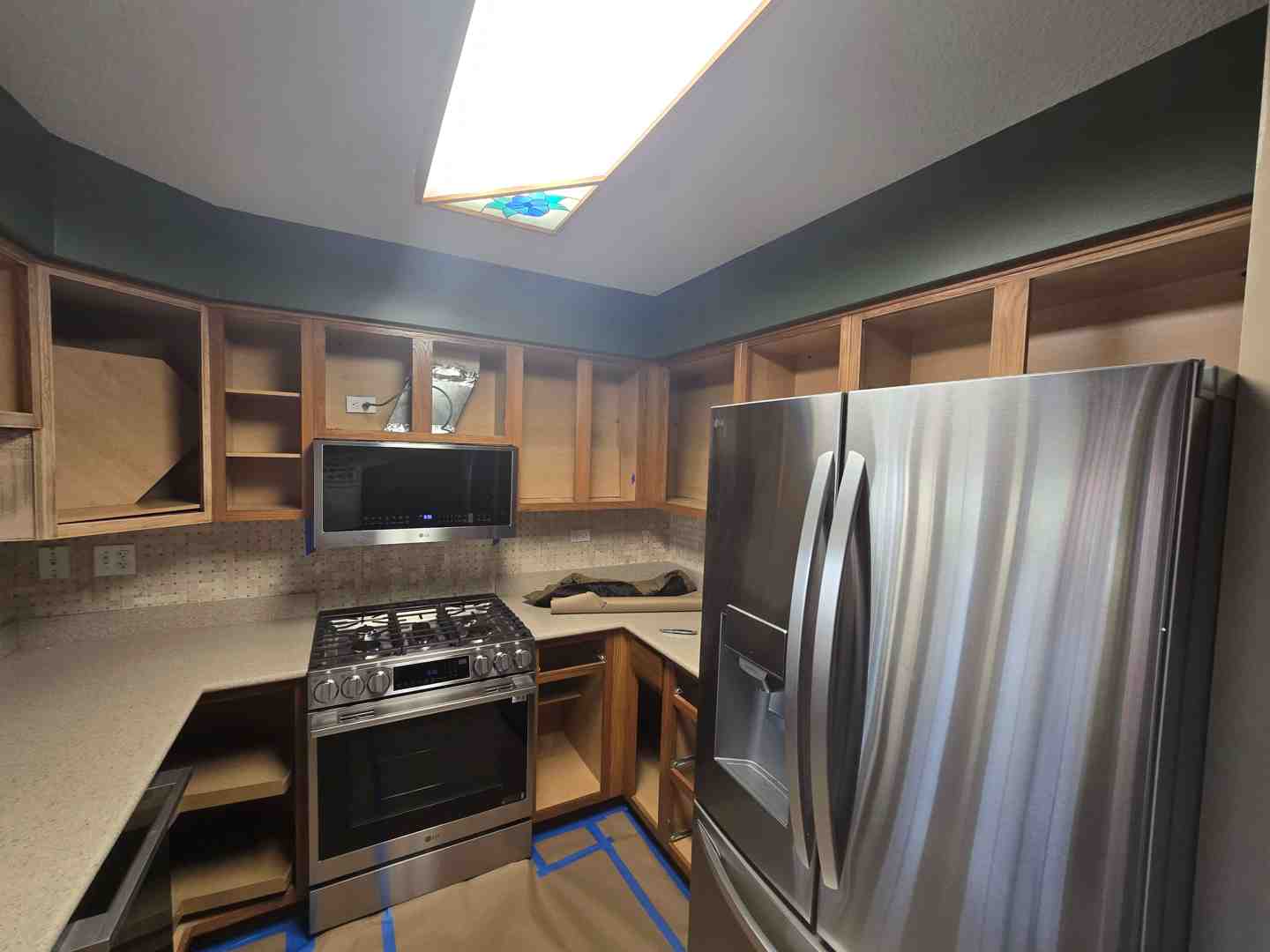
Why the Best Primer for Kitchen Cabinets Makes or Breaks Your Finish
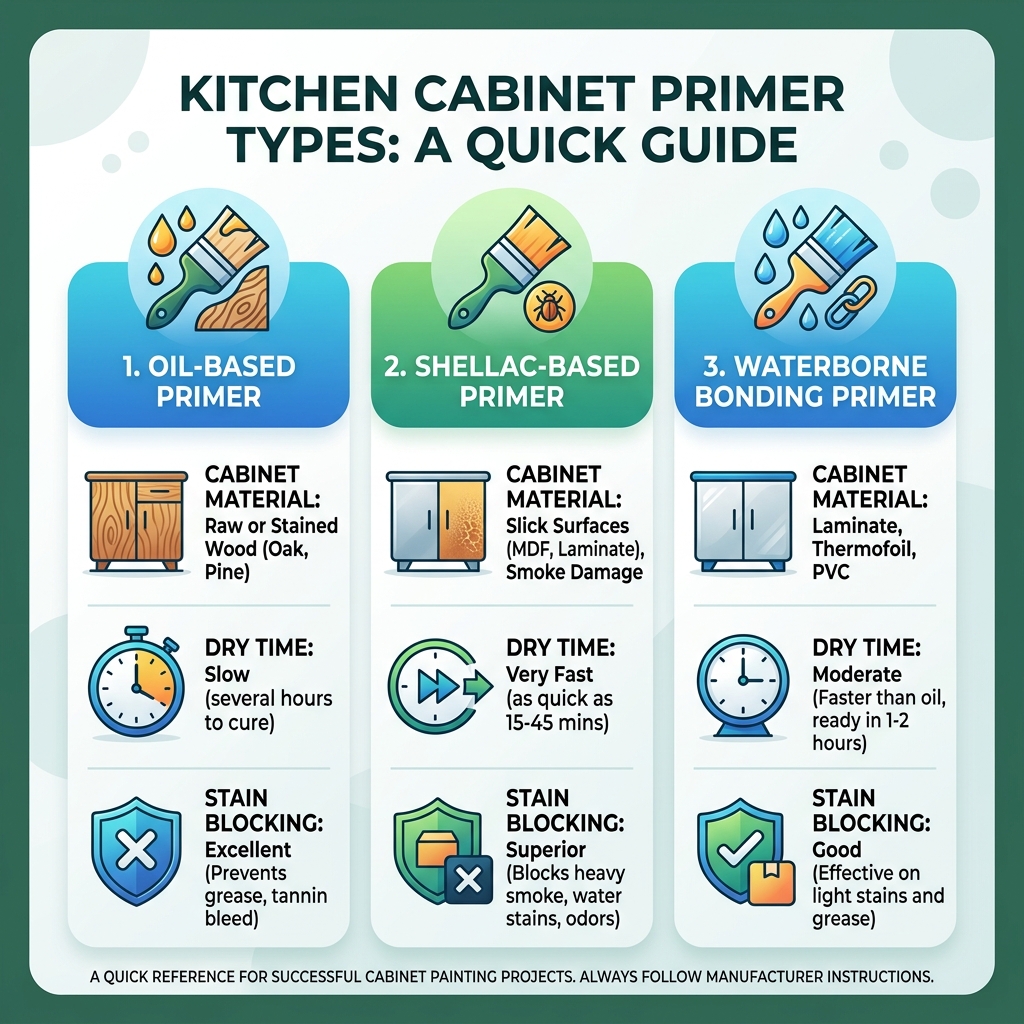
The best primer for kitchen cabinets depends on your cabinet material and condition — here’s a quick overview to help you choose:
| Cabinet Type / Condition | Recommended Primer Type | Top Product Example |
|---|---|---|
| Raw or stained wood (oak, pine) | Oil-based or shellac-based | Zinsser B-I-N, Zinsser Cover Stain |
| Laminate or thermofoil | Waterborne bonding primer | INSL-X Stix |
| Previously painted cabinets | General-purpose or hybrid | Zinsser 1-2-3 Plus, KILZ 2 |
| Heavy grease or smoke damage | Oil-based stain blocker | KILZ Original, KILZ Restoration |
| MDF or slick surfaces | High-adhesion bonding primer | INSL-X Stix, KILZ Adhesion |
Painting kitchen cabinets is one of the most rewarding home upgrades you can make. But here’s the truth most people learn the hard way: the paint is rarely the problem when a cabinet finish fails — the primer is.
Proper preparation and priming account for up to 80% of the final finish quality. Skip it, rush it, or choose the wrong product, and you’re looking at peeling, bleed-through, and chipping within a couple of years. Get it right, and a professionally primed and painted cabinet can last 8 to 15 years or more.
Whether you’re dealing with greasy old oak cabinets, slick laminate doors, or surfaces stained with years of smoke and cooking residue, the primer you choose — and how you apply it — will determine everything about your end result.
I’m Tomasz Niemotko, owner of T&Z Interior And Exterior Painting in Lombard, IL, with over 13 years of hands-on experience in cabinet refinishing and painting across the Chicagoland area — and selecting the best primer for kitchen cabinets is one of the most critical decisions we make on every job. In the sections below, I’ll walk you through exactly what works, what doesn’t, and how to get a finish that truly lasts.
Why Professional Priming is Essential for Kitchen Cabinets
We often hear homeowners ask, Can you paint kitchen cabinets? The answer is a resounding yes, but the success of that project lives and dies with the primer. Think of primer as the “glue” that holds your beautiful new color to the cabinet surface. Without it, paint is just a thin film sitting on top of a surface it wasn’t designed to grip.
In a high-traffic area like a kitchen in Elmhurst or Downers Grove, cabinets face constant physical contact, steam, and grease. Professional-grade priming serves several vital functions:
- Unmatched Adhesion: Cabinets are often finished with slick factory clears or oils. The best primer for kitchen cabinets is formulated with resins that bite into these surfaces, creating a “bridge” for the topcoat.
- Stain and Tannin Blocking: If you’ve ever seen a white cabinet turn yellow or pink, you’ve seen tannin bleed. Wood species like oak and cherry contain natural oils (tannins) that seep through standard water-based paints. A high-quality sealer locks these away forever.
- Moisture and Grease Barrier: Kitchens are humid. Primer acts as a protective seal, preventing moisture from swelling the wood and keeping residual cooking oils from bubbling up through your new finish.
- Uniformity: Primer hides the old color and levels out the porosity of the material, ensuring your final paint looks rich and even, rather than splotchy.
While some DIY forums might debate cabinet painting primer options, our team at T&Z Interior And Exterior Painting knows that skipping this step is the fastest way to ruin a kitchen renovation.
Choosing the Best Primer for Kitchen Cabinets Based on Material
Not all cabinets are created equal. A primer that works beautifully on raw maple might fail miserably on a slick thermofoil surface. Understanding what your cabinets are made of is the first step in our professional process.
The Best Primer for Kitchen Cabinets for Blocking Tannins and Stains
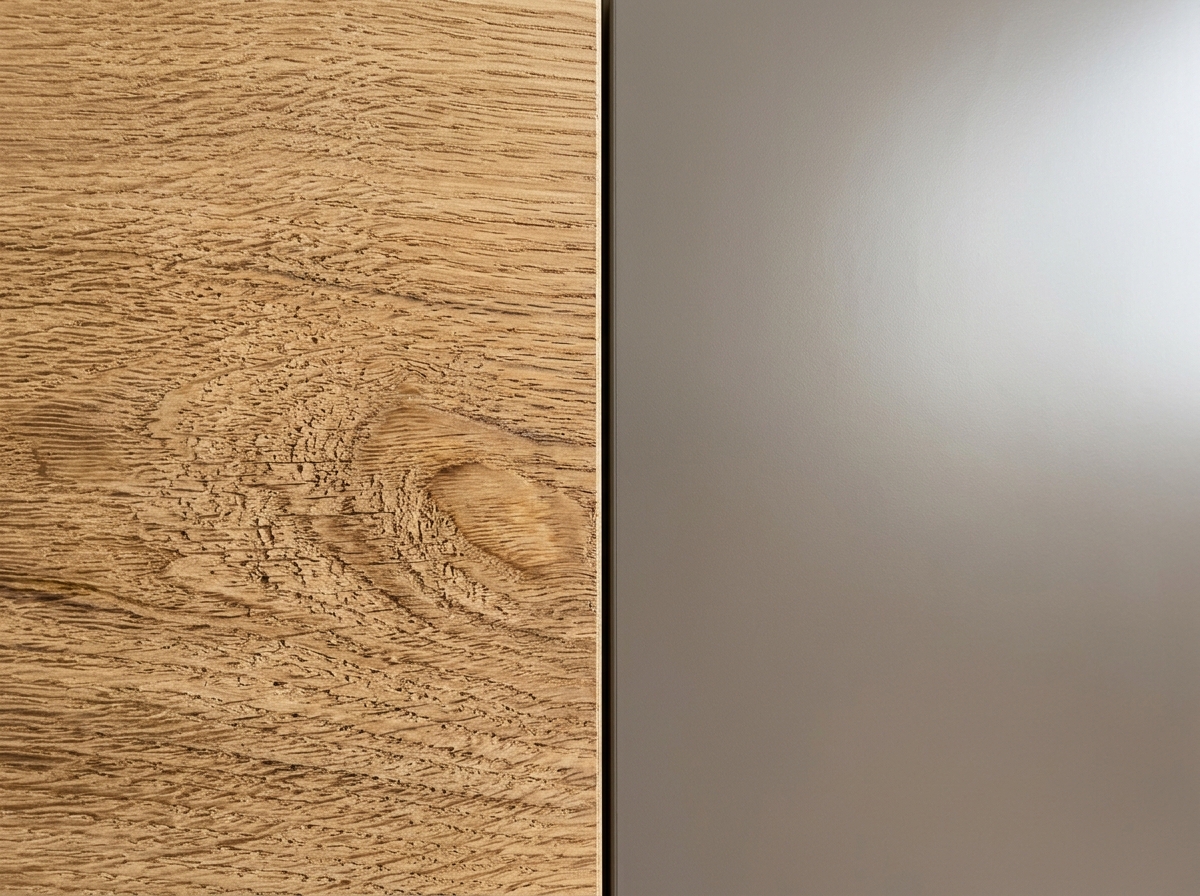
If you live in an older home in Wheaton or Glen Ellyn, you likely have honey oak or cherry cabinets. These woods are notorious for “bleed-through.” When you apply a water-based paint over raw or aged oak, the water in the paint reactivates the tannins in the wood, leading to unsightly stains.
For these projects, we recommend a shellac-based or oil-based primer. These solvent-based products don’t reactivate wood tannins, effectively sealing them under a hard shell. This is a tip we often share on our Instagram DIY Tips page: if it’s wood and you’re going light, go with shellac.
Selecting the Best Primer for Kitchen Cabinets Made of Laminate or MDF
Laminate, Formica, and Thermofoil are essentially plastic. They are non-porous and “slick,” meaning standard primers will simply slide off or peel away in sheets. For these surfaces, we utilize a specialized waterborne bonding primer like INSL-X Stix. These primers are engineered to stick to surfaces as smooth as glass.
MDF (Medium Density Fiberboard) presents a different challenge—it’s incredibly thirsty. If you don’t use the right sealer, the MDF will soak up your paint unevenly, leading to a fuzzy, dull finish. We use high-build primers to seal the edges and faces of MDF, creating a smooth canvas for our cabinet painting services.
Top-Rated Primer Types and Professional Applications
Choosing the best primer for kitchen cabinets requires balancing performance with environmental factors like VOCs (Volatile Organic Compounds) and odor. In our 15+ years of experience, we’ve narrowed down the field to a few heavy hitters.
| Primer Type | Top Product | Best For | Dry Time (to touch) | Cleanup |
|---|---|---|---|---|
| Shellac-Based | Zinsser B-I-N | Heavy stains, oak tannins, odors | 20 Minutes | Denatured Alcohol |
| Waterborne Bonding | INSL-X Stix | Laminate, Thermofoil, PVC | 3-4 Hours | Soap & Water |
| Oil-Based | Zinsser Cover Stain | Raw wood, exterior trim | 1-2 Hours | Mineral Spirits |
| Hybrid Acrylic | Zinsser 1-2-3 Plus | General use, light stains | 1 Hour | Soap & Water |
Shellac-Based Primers
Zinsser B-I-N is arguably the “gold standard” for professional cabinet refinishing. Because it is alcohol-based, it dries incredibly fast—usually ready for a second coat or sanding in just 45 minutes. It is the ultimate “insurance policy” against knots, sap, and even smoke damage.
The main trade-off is the odor; it is quite strong during application, though it dissipates quickly. Because we prioritize safety, we always ensure proper ventilation when applying shellac in homes throughout Lombard and Addison.
Oil-Based and Bonding Primers
Oil-based primers like Zinsser Cover Stain or KILZ Original offer excellent “hold out,” meaning they don’t let the wood grain show through as much. They are fantastic for older wood cabinets that have seen decades of use.
For the modern “tuxedo” kitchen looks we often create for Kitchen cabinet painting in Elmhurst IL, we frequently turn to INSL-X Stix. It offers the adhesion of an oil-based primer but with the low odor and easy cleanup of a water-based product. It needs a bit more time to dry (3-4 hours), but the bond it creates is nearly unbreakable.
The Professional Preparation and Application Process
We believe that kitchen cabinet painting is a good idea only if the prep work is flawless. You could buy the most expensive primer in the world, but if you apply it over a layer of kitchen grease, it will fail.
Our T&Z team follows a strict multi-step prep protocol:
- Degreasing: We use heavy-duty cleaners like TSP (Trisodium Phosphate) or specialized degreasers to strip away years of cooking oils.
- De-glossing/Sanding: We lightly sand every surface with 220-grit sandpaper. The goal isn’t to remove the old finish entirely, but to “scuff” it so the primer has a mechanical grip.
- Dust Removal: This is a step many DIYers skip. We use vacuums and microfiber tack cloths to ensure the surface is surgically clean. Primer won’t stick to dust!
- Caulking and Filling: We fill grain (especially in oak) and caulk gaps to ensure the final look is seamless and factory-smooth.
Application Techniques for a Flawless Finish
While a brush and roller can work for some projects, we typically use HVLP (High Volume Low Pressure) sprayers for our Cabinet painting in Naperville. Spraying allows us to apply the best primer for kitchen cabinets in thin, perfectly even layers that don’t leave brush marks or “stipple” from a roller.
If we are working in a smaller space where spraying isn’t ideal, we use high-quality microfiber rollers and specialty brushes that help the primer “self-level,” resulting in a finish that looks like it came straight from a showroom in Oak Brook.
Frequently Asked Questions about Cabinet Primers
Do I need to sand if I use a high-adhesion bonding primer?
Technically, some “bonding” primers claim no sanding is required. However, as professionals with a 5.0 Google rating, we always recommend a light scuff sand. It takes very little time but significantly increases the longevity of the bond. We don’t take shortcuts with your home.
How many coats of primer are required for dark wood cabinets?
If you are moving from a dark espresso or cherry wood to a bright white, we typically apply two coats of a high-hide primer. This ensures the dark undertones don’t “muddy” your new color and provides a more durable base.
Can I use water-based paint over an oil-based primer?
Yes! In fact, this is a very common professional technique. We often use an oil or shellac-based primer to block stains and then finish with a high-end water-based alkyd or urethane enamel for a durable, non-yellowing topcoat.
Conclusion: Trust the Experts for a Lasting Transformation
Choosing the best primer for kitchen cabinets is about more than just picking a can off a shelf; it’s about understanding the chemistry of your kitchen. From the initial degreasing to the final spray of the topcoat, every step must be executed with precision to ensure your investment adds real value to your home.
At T&Z Interior And Exterior Painting, we bring over 15 years of experience to every project in Lombard, Wheaton, and the surrounding Chicago suburbs. We are licensed, insured, and dedicated to providing a clean, professional service that transforms your kitchen without the stress of a full remodel.
If you’re ready to give your kitchen the professional finish it deserves, start your cabinet transformation with us today. Let our family-owned team show you why we are the trusted choice for quality painting in the Chicagoland area.