
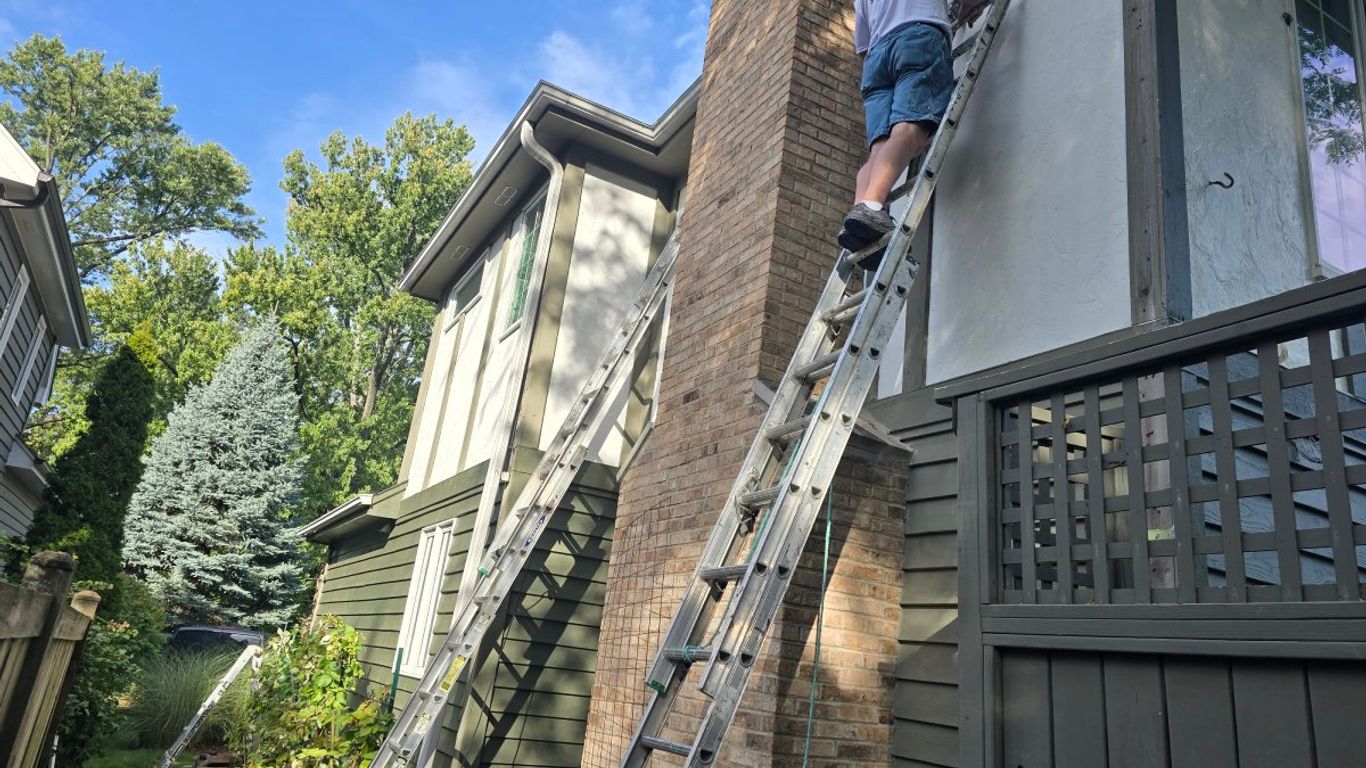
Finding the right exterior painter is a big deal for your home improvement project. It’s not just about slapping on some color; it’s about protecting your house from the weather and making it look good. A good painter does more than just paint; they prep the surfaces, use the right materials, and know how to handle different types of siding and finishes. This guide will help you figure out what to look for to get a job done right, so your home looks great and stays protected for years to come.
Key Takeaways
- When looking for an exterior painter, check their experience with different surfaces like wood, vinyl, and masonry.
- Proper surface preparation, including cleaning, scraping, and priming, is vital for a paint job that lasts.
- The best time to paint your home’s exterior is usually in mild weather, typically spring or early fall, with temperatures between 50-85°F.
- Professional painters use specialized equipment for hard-to-reach areas like high ceilings and ensure safety.
- A written scope of work and clear communication with your painter will prevent surprises and ensure satisfaction.
1. Residential Painting Contractor Near Me
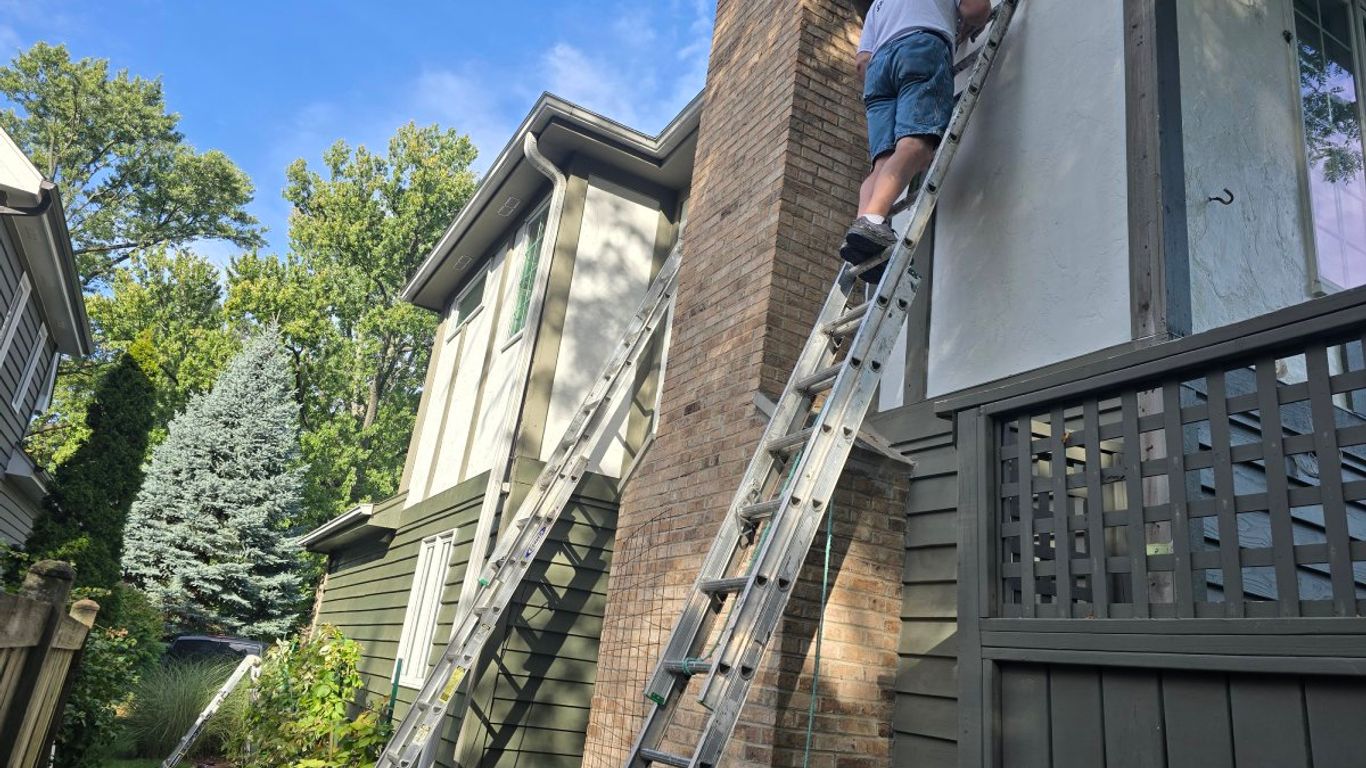
Finding the right residential painting contractor near you is a big deal for any home improvement project. It’s not just about slapping some paint on the walls; it’s about protecting your home and making it look its best. When you start looking, you’ll want to check a few things to make sure you’re hiring someone good.
Here’s a quick rundown of what to look for:
- Credentials: Make sure they are licensed and insured. This protects you if something goes wrong.
- Experience: How long have they been doing this? A contractor with years of experience likely knows how to handle different situations.
- Portfolio: Ask to see pictures of their past work. This gives you a good idea of the quality you can expect.
- Reviews: Check online reviews from other homeowners. Local feedback can be really helpful.
- Prep Work: A good painter will always talk about preparation. This includes cleaning, sanding, and priming surfaces. It’s a big part of what makes paint last.
A professional paint job is about much more than just the final coat; it’s the preparation that truly makes a difference in how long the paint lasts and how good it looks.
When you’re looking for someone, remember that a painter isn’t just an artist; they’re also protecting your home’s exterior from the weather. They use specific techniques and materials depending on what your house is made of, whether it’s wood siding, brick, or something else. It’s a technical job that requires skill and the right tools. Don’t hesitate to ask them about their process and what brands of paint they use. You can often find local painters who specialize in exterior house painting and understand the specific needs of homes in your area.
Hiring a professional means you’re investing in a service that goes beyond aesthetics. It’s about ensuring the longevity and structural integrity of your home’s surfaces through proper application and material selection. This attention to detail prevents future problems like peeling or damage, saving you money and hassle down the road.
2. Exterior Painting Services
When you’re looking to refresh your home’s look, exterior painting services are a big part of that. It’s not just about slapping on a new coat of paint; it’s about protecting your house from the weather and making it look good. A good paint job can really boost your home’s curb appeal.
Professional painters handle a lot more than just the paint itself. They’ll take care of all the prep work, which is super important. This usually includes things like:
- Washing the exterior surfaces to get rid of dirt and grime.
- Scraping off any old, peeling paint.
- Sanding down rough spots to make sure the new paint sticks well.
- Repairing any cracks or small holes in the siding or trim.
- Applying primer where needed, especially on bare wood or patched areas.
The right preparation is what makes a paint job last for years. Without it, you might see peeling or bubbling way sooner than you’d like. Professional services also mean using the right kind of paint for your home’s materials, whether it’s wood, vinyl, or brick. They know how to make sure the paint seals your home against moisture and UV rays, keeping it protected.
Choosing a professional service means you’re investing in a finish that not only looks great but also adds a layer of protection to your home’s structure. It’s about making sure your house stays sound and looks its best, no matter what the weather throws at it.
These services can cover everything from the main walls to details like trim and doors. Some companies even offer specialized work, like painting garage doors or decks, to give your whole exterior a cohesive look. If you’re thinking about updating your home’s appearance, looking into comprehensive exterior painting services is a smart first step.
3. Siding Protection
Your home’s siding is the first line of defense against the elements, and painting it is about more than just looks. A good paint job acts as a shield, protecting your siding material from moisture, UV rays, and general wear and tear. Different siding types, like vinyl, aluminum, or wood, require specific primers and paints to ensure proper adhesion and longevity. For instance, wood siding needs a coating that can expand and contract with temperature changes, while vinyl might need a paint formulated to handle heat without blistering.
Proper siding protection can significantly extend the life of your home’s exterior.
Here’s a breakdown of what goes into protecting different siding materials:
- Wood Siding: Requires thorough cleaning, scraping of loose paint, and priming to prevent rot and moisture absorption. A flexible, high-quality exterior paint is key.
- Vinyl Siding: Needs specialized paints that can adhere well and withstand heat without warping or fading. Proper cleaning is also important to remove chalking and dirt.
- Fiber Cement Siding: This durable material benefits from high-quality acrylic latex paints that offer excellent adhesion and weather resistance.
- Stucco and Masonry: These surfaces need breathable coatings to allow moisture vapor to escape, preventing trapped water that can cause damage. Proper cleaning and repair of cracks are also vital.
The preparation phase is where the real magic happens for siding protection. It’s not just about slapping on a new coat. It involves cleaning away dirt, mildew, and chalking, repairing any cracks or damage, and applying the right primer. This groundwork ensures the paint adheres properly and creates a durable barrier against the weather, making your paint job last much longer.
4. Weather Resistance
When you’re looking to get your home’s exterior painted, you really want that paint job to last. And a big part of that is how well it holds up against whatever Mother Nature throws at it. We’re talking about sun, rain, wind, maybe even some snow – the whole deal.
A good exterior paint job acts like a shield for your house. It’s not just about making things look pretty; it’s about protecting the actual structure underneath. Think about wood siding, for example. Without proper protection, moisture can get in, leading to rot and all sorts of other problems down the line. Similarly, masonry can start to erode if it’s not sealed correctly.
Here’s what makes a paint job stand up to the elements:
- Surface Preparation: This is huge. Before any paint even touches the house, the surface needs to be clean, dry, and sound. Any loose paint, dirt, or mildew needs to be gone. If you paint over a dirty surface, the paint just won’t stick well, and it’ll start failing way sooner.
- Quality Paint Products: Not all paints are created equal. High-quality exterior paints are formulated with specific binders and additives that allow them to be flexible, resist UV rays, and prevent moisture from getting trapped. This means they’re less likely to crack, fade, or peel. Consumer Reports has found that good paints can last for years without issues like cracking or fading [d946].
- Proper Application: Even the best paint won’t perform well if it’s applied incorrectly. This includes using the right number of coats, applying them evenly, and paying attention to drying times between coats. Painting in the wrong conditions – too hot, too cold, or too humid – can really mess with how the paint cures and adheres.
The right paint and a good application process are key to making sure your home’s exterior can handle temperature swings, moisture, and UV exposure without breaking down. It’s an investment in protecting your home for the long haul.
Choosing a painter who understands these factors is super important. They’ll know how to prep the surfaces correctly and use products that are designed to withstand your local climate. This attention to detail is what separates a paint job that looks good for a few years from one that stays beautiful and protective for a decade or more.
5. Wood Staining
Wood staining is a fantastic way to protect and beautify wooden surfaces around your home, like decks, fences, and even some types of siding. Unlike paint, stain soaks into the wood, highlighting its natural grain and texture while providing a protective barrier. This means you get the best of both worlds: a beautiful, natural look and added durability against the elements.
When you’re looking to stain wood, there are a few key things to keep in mind. The type of wood you have will influence the best stain choice, and proper preparation is absolutely vital for a good outcome. Think of it like getting ready for a big event – you wouldn’t just show up without any prep, right? The same goes for wood.
Here’s a quick rundown of why staining is a great option:
- Protection: Stains contain UV inhibitors and water repellents that shield the wood from sun damage, moisture, and rot. This is especially important for outdoor structures that face constant exposure.
- Aesthetics: Stains come in a wide range of colors, from light, natural tones to deep, rich hues. They can enhance the existing beauty of the wood or give it a completely new look while still letting the wood grain show through.
- Longevity: A well-stained and maintained wooden surface can last much longer than an unsealed one. Regular reapplication of stain, typically every few years, keeps it looking its best and extends its life.
Choosing the right stain depends on the wood type and your desired look. For instance, some woods like pine take stain differently than hardwoods like oak. A professional painter will know how to handle these variations to avoid blotchiness and achieve a uniform finish. They also understand the importance of surface preparation, which includes cleaning, sanding, and sometimes applying a wood conditioner before the stain goes on. This prep work is what really makes the difference between a good job and a great one that lasts.
Proper preparation is the backbone of any successful wood staining project. This involves more than just a quick wipe-down. It means thoroughly cleaning the surface to remove dirt, mildew, and any old, failing finishes. Sanding is usually next, creating a smooth surface that allows the stain to penetrate evenly. Skipping these steps is a common mistake that leads to uneven color and premature wear.
For decks and fences, staining is often preferred over painting because it offers a more natural look and is generally easier to maintain over time. If you have a deck that’s seen better days, professional deck staining can bring it back to life, making your outdoor space much more inviting.
6. Masonry And Brick
Painting brick and other masonry surfaces might seem straightforward, but it’s a bit different from painting wood or vinyl. These materials are porous, meaning they can absorb moisture. If you use the wrong kind of paint, you can actually trap that moisture inside, leading to problems like bubbling or peeling down the road. It’s all about choosing breathable coatings that let the masonry do its thing.
When we look at brick or stone, we’re not just slapping on a coat of color. We’re thinking about protection. A good paint job on masonry can help keep water out, slow down wear and tear, and even resist mold and mildew. Plus, it just makes the place look a whole lot better.
Here’s a quick rundown of what goes into it:
- Surface Prep: This is huge. We’ll clean off any dirt, mildew, or old flaking paint. Sometimes we need to do repairs on mortar or cracks before anything else.
- Primer: Using the right primer is key. It helps the paint stick better and can seal the surface without blocking it up completely.
- Paint Choice: We look for paints specifically made for masonry. These are often mineral-based or have special additives to allow for breathability. For older or rougher textures, a flat masonry paint works well because it blends in and hides imperfections. If you want a bit of shine and more protection, a satin finish is a good option. For stucco, especially if it has cracks, an elastomeric coating might be the best bet because it’s flexible. Choosing the right exterior finish for stucco depends a lot on its condition.
- Application: Whether we spray or roll it on, we make sure to get an even coat. Sometimes two coats are better than one, especially on textured surfaces.
Painting brick requires careful attention to detail. The goal is to protect the material while also making it look great. Skipping steps or using the wrong products can lead to costly repairs later on.
We handle all sorts of masonry, from brick homes to stone foundations. Our goal is to give you a finish that looks good and lasts for years, protecting your home from the elements. If you’re thinking about professional brick painting services, we’ve got you covered.
7. Best Time To Paint Exterior
Picking the right time to paint your home’s exterior is more important than you might think. Get it wrong, and you could be looking at peeling or cracking paint way sooner than you’d like. It’s all about finding that sweet spot where the weather is just right for the paint to stick well and cure properly.
Generally, the best windows for exterior painting are late spring to early summer, or early autumn. These periods usually offer mild temperatures, typically between 50 and 85 degrees Fahrenheit (10-25 degrees Celsius), with moderate humidity. This range is ideal because:
- Temperature Stability: Extreme heat can make paint dry too fast on the surface, leading to issues like lap marks. Very cold temperatures slow down the curing process, affecting adhesion.
- Moisture Levels: High humidity or rain can prevent paint from drying and curing correctly, weakening its bond to the surface.
- Sunlight: While some sun is good for drying, intense, direct sunlight, especially during the hottest part of the day, can overheat the surface and cause problems.
The shoulder seasons, spring and fall, often provide the most balanced conditions for paint to dry and cure properly.
Here’s a quick look at what to expect:
- Spring (March-May): Often mild and less humid than summer, but watch out for rain and fluctuating overnight temperatures.
- Early Summer (June-July): Longer days are great for getting work done, and warmth helps with drying. Just avoid heatwaves.
- Early Autumn (September): Humidity tends to be lower, and temperatures are usually steady, making it a great time before winter sets in.
Avoid painting in winter if possible. The cold and damp conditions really hinder paint adhesion and curing. Also, be cautious in late summer; high heat and UV rays can be tough on fresh paint.
Remember, regional weather patterns play a big role. What works in one area might not be ideal in another. Always check your local forecast and aim for a consistent stretch of favorable weather, not just a single sunny day. Proper surface preparation is key, no matter the season, to ensure a long-lasting finish. Exterior painting services can help you navigate these seasonal choices.
It’s also worth noting that the specific paint product you choose might have its own temperature and humidity guidelines. Always read and follow the manufacturer’s recommendations for the best results.
8. Textured Finishes
Sometimes, a smooth wall just doesn’t cut it. That’s where textured finishes come in. They add a whole new layer of visual interest and depth to your home’s exterior, making it stand out from the crowd. Think beyond just flat paint; textured coatings can mimic the look of stucco, stone, or even aged plaster, giving your home a unique character. These finishes aren’t just about looks; they can also help conceal minor imperfections in the underlying surface.
When you’re considering textured finishes, there are a few popular options to keep in mind:
- Knock-down: This is a common choice, where joint compound is applied and then flattened slightly, leaving a soft, organic pattern. It’s great for large areas and ceilings.
- Skip-trowel: Applied by hand with a trowel, this creates a more layered, old-world plaster look. It has more visual weight and is perfect for accent walls.
- Orange peel: A lighter spray texture that gives a subtle, citrus-peel-like effect. It’s a good middle ground if you want some texture without it being too overwhelming.
- Faux finishes: These are multi-layer techniques that can mimic materials like stone, concrete, or wood. They require a skilled hand but can create a really convincing and high-impact look.
Choosing the right textured finish depends on the overall style of your home and the effect you want to achieve. It’s important to remember that these finishes often require more specialized preparation than standard paint. The texture can actually highlight any flaws underneath if the surface isn’t prepped correctly. So, if you’re looking to add some serious character and visual appeal to your home’s exterior, textured finishes are definitely worth exploring. They can really transform a plain wall into something special, adding depth and dimension to your property.
9. High-Ceiling Execution
Painting spaces with high ceilings, like two-story foyers or vaulted living rooms, presents a unique set of challenges that go beyond just needing a taller ladder. Professional painters have the specialized equipment and experience to tackle these elevated areas safely and effectively. This often involves using extension poles, scaffolding, or even lifts to ensure even coverage and a smooth finish without compromising safety.
When you’re looking at a room with a ceiling that seems miles away, it’s easy to worry about drips, missed spots, or an uneven application. Professional crews are trained to manage these issues. They understand how to maintain a wet edge even at a distance and how to work from top to bottom to catch any potential drips before they mar freshly painted walls.
Here’s what sets professional high-ceiling painting apart:
- Specialized Equipment: Beyond standard ladders, professionals use extension poles, scaffolding, and sometimes even boom lifts for safe access and consistent application.
- Safety Protocols: Working at heights requires strict adherence to safety measures, including proper equipment setup and the use of safety harnesses.
- Even Coverage: Achieving a uniform finish on large, high surfaces is tricky. Professionals use techniques and tools that minimize lap marks and ensure a smooth appearance.
- Efficiency: What might take a DIYer days of careful, nerve-wracking work can often be completed by a professional crew in a fraction of the time.
Tackling high ceilings requires more than just a willingness to climb. It demands the right tools, a keen eye for detail from a distance, and a commitment to safety that only experienced professionals can consistently provide. Trying to DIY this can lead to frustration, wasted materials, and potential safety hazards.
For areas like two-story foyers, the visual impact of a perfectly painted ceiling and walls can be stunning. It’s worth considering professional painting services to ensure these dramatic spaces are handled with the care and skill they deserve, making your home’s grandest features truly shine.
10. Trim And Molding
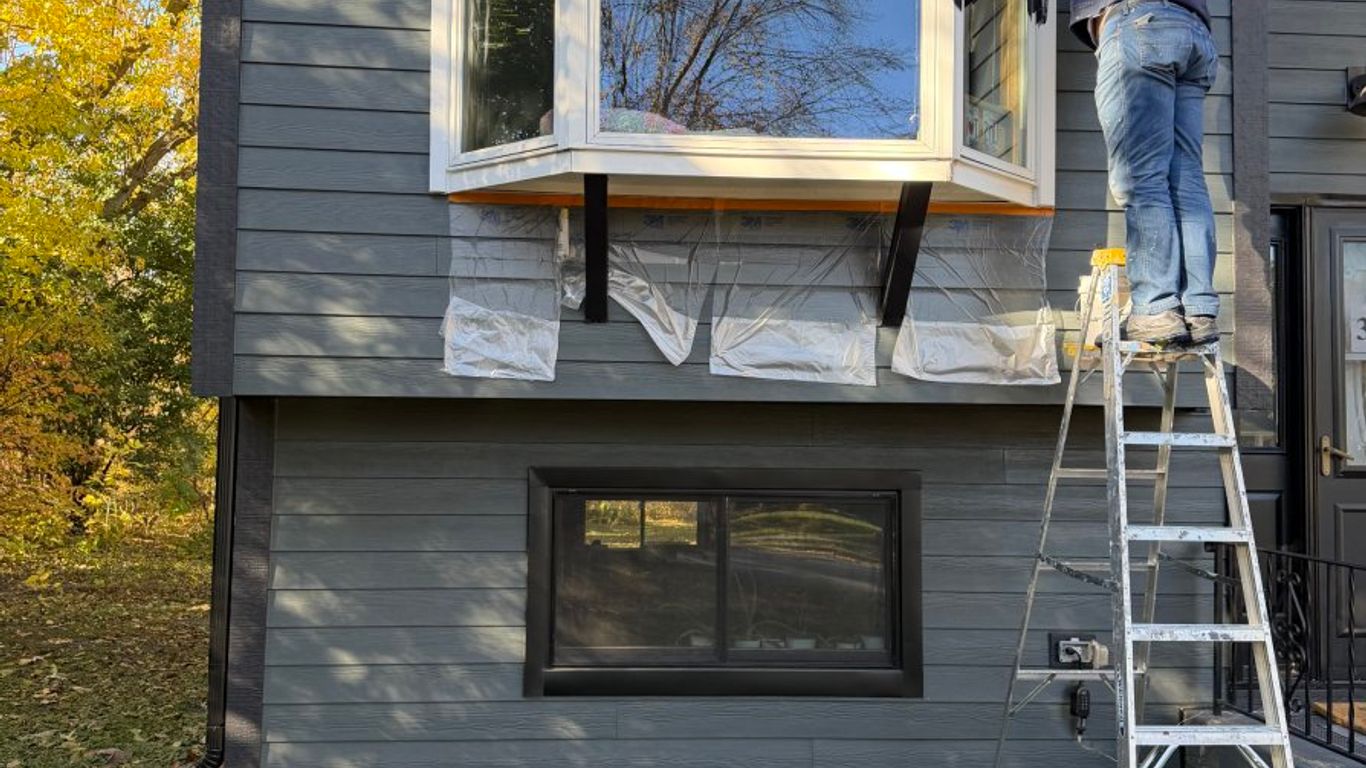
Trim and molding are like the jewelry of your home’s exterior. They add detail, definition, and a finished look. But they also take a beating from the elements, which means they need special attention when it comes to painting.
Getting trim and molding painted right is all about precision and proper preparation. It’s not just slapping paint on; it’s about creating crisp lines and a durable finish that can handle daily wear and tear.
Here’s what goes into a professional trim and molding paint job:
- Cleaning: Removing dirt, grime, and any wax buildup is the first step. For kitchens or bathrooms, a degreaser is often necessary.
- Surface Prep: This can involve sanding glossy surfaces to help new paint stick, or sanding down any areas where old paint is chipping or peeling. Sometimes, a liquid deglosser can work on surfaces in good shape, but often, sanding is a must.
- Filling and Caulking: Small dents, nail holes, or cracks are filled. Then, any gaps between the trim and the wall, or around door casings, are sealed with caulk. This prevents moisture from getting underneath the paint later on.
- Priming: Bare wood or areas where old paint might bleed through (like knots in wood) get a special primer. For MDF trim, which is common in newer homes, an oil-based or shellac primer is crucial to stop moisture absorption and swelling.
- Painting: Using the right paint, usually a semi-gloss or gloss enamel, is key. This type of paint is tough, easy to clean, and holds up well against humidity and temperature changes. Professionals often use brushes or sprayers, depending on the trim’s style and location, to get a smooth, even coat.
When trim is structurally sound but just looks worn out – with chips, yellowing, or scuffs – painting is almost always a better and more cost-effective option than replacing it. Replacing trim can be a lengthy and expensive process, especially for detailed or custom profiles.
The right sequence for painting a room is ceiling first, then walls, and finally trim and baseboards. Painting trim last allows you to tape against dry walls for a sharp, clean edge. Doors are typically painted last as well, often removed from their hinges to ensure a perfect finish.
Regular maintenance is also important. Inspecting caulk lines each spring and touching up small chips quickly can add years to the life of your trim paint job. For entry doors, which face the harshest sun and weather, this regular check is even more critical. Professional painters know these details and can ensure your trim looks sharp for years to come.
Adding trim and molding can really make your home look polished. These decorative pieces go around doors, windows, and ceilings, giving your rooms a finished touch. It’s a great way to boost your home’s style without a huge renovation. Want to see how we can transform your space? Visit our website to explore our services and get a free quote!
Wrapping Up Your Exterior Painting Project
So, finding the right painter might seem like a big task, but it’s totally worth it. A good painter doesn’t just slap on some color; they prep the surfaces right, use quality materials, and know how to handle different weather conditions. This means your home not only looks great but is also protected for years to come. Remember to check credentials, look at their past work, and read what other homeowners say. Taking these steps will help you find someone who can really make your house shine and stand up to whatever the weather throws at it.
Frequently Asked Questions
How often should I repaint my home’s exterior?
Most homes need a fresh coat of exterior paint every 5 to 10 years. Wood siding might need attention more often, about every 3 to 7 years, because it expands and shrinks with the weather. Painted brick can last longer, sometimes 8 to 17 years. If you see chalking, peeling, or fading, it’s a good sign it’s time for a repaint.
What’s the best time of year to paint the outside of my house?
The ideal times are usually late spring or early summer. During these months, the weather is typically warm with less rain and humidity. However, it’s important to watch for heat waves, as surfaces that get too hot can cause paint to dry too fast. Early autumn can also be a great choice with stable temperatures and lower humidity.
What kind of prep work is needed before painting?
Proper prep is super important for a paint job that lasts. This includes cleaning the surfaces to remove dirt and grime, scraping off any loose or peeling paint, and sanding the walls smooth. We also do necessary repairs like patching holes or cracks and applying primers to make sure the new paint sticks well and looks even.
Can you paint different types of siding?
Yes, we can paint various siding materials like vinyl, aluminum, and wood. We use special primers that stick well to each material. This helps ensure the paint lasts longer and protects your home from the elements, no matter what your siding is made of.
Do you handle painting high ceilings or tricky areas?
Absolutely. Our teams are experienced in painting tall spaces like two-story foyers and vaulted ceilings. We use the right equipment, like scaffolding, to reach these difficult spots safely and apply paint evenly for a smooth finish.
What about painting wood like decks and fences?
We offer staining services for decks and fences. Staining not only makes the natural wood grain look beautiful but also seals it against moisture. This helps prevent rot and keeps your outdoor structures looking great for years to come.