
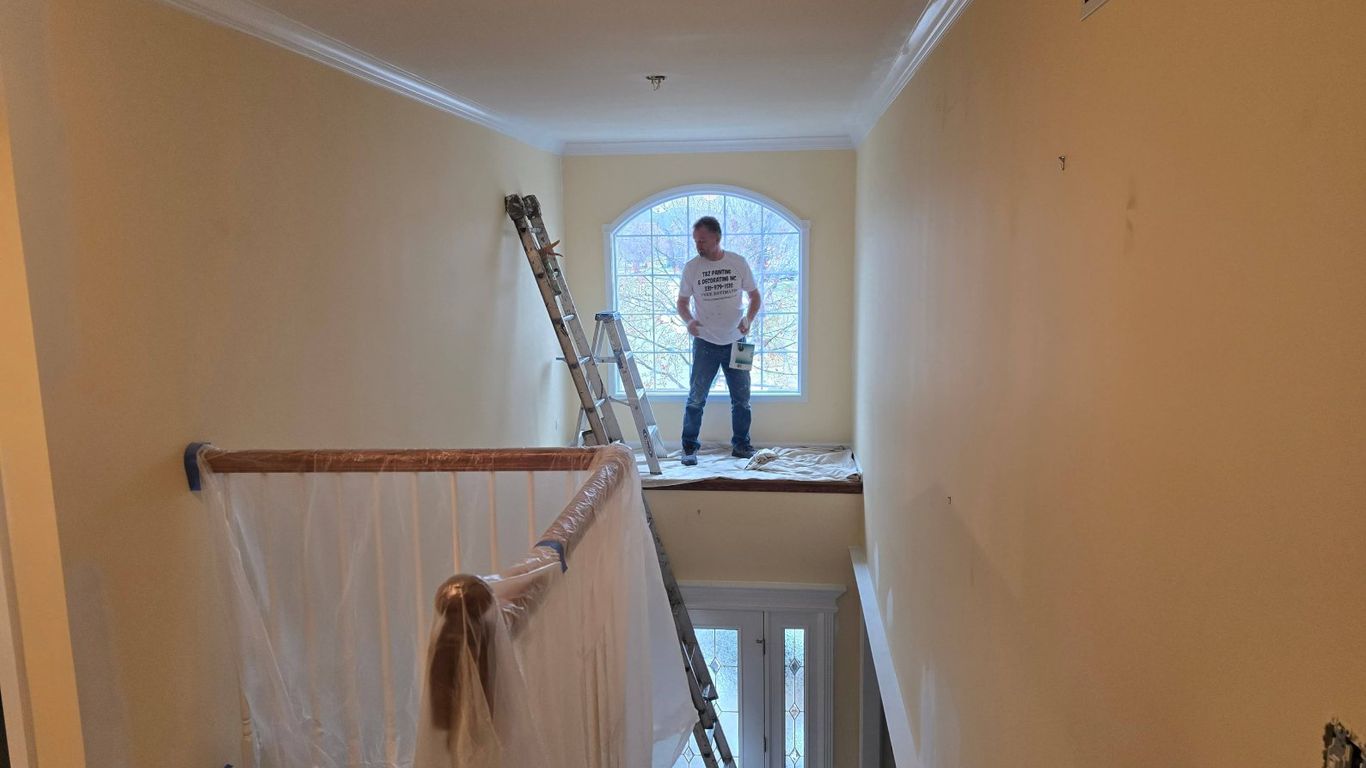
Thinking about painting your house? It’s a big job, and honestly, most of us don’t have the time or the right tools to do it well. That’s where a good painting contractor comes in. Finding the right one can make all the difference between a paint job you love and one that starts peeling before the year is out. Let’s talk about what to look for so you get a pro who knows their stuff.
Key Takeaways
- A good painting contractor handles everything from prep to the final check, making sure the job is done right.
- They can tackle both interior and exterior painting, ensuring your whole house looks great and is protected.
- Beyond just walls, pros can refinish cabinets, repair drywall, remove old wallpaper, and stain wood for a complete home refresh.
- When hiring, check if they’re licensed and insured, look at their past work, and always get a written plan.
- Professional painters use the right equipment and materials for a durable finish that lasts, saving you money and hassle in the long run.
1. House Painting Contractors
Finding the right house painting contractor can feel like a big task, right? It’s not just about picking a color; it’s about protecting your home and making it look its best. A good painter does more than just slap paint on walls. They prep the surfaces, use quality materials, and know how to handle different types of finishes. The difference between a DIY job and a professional one often comes down to the preparation and the attention to detail.
When you’re looking for someone to paint your house, here are a few things to keep in mind:
- Credentials: Make sure they are licensed and insured. This protects you if something goes wrong.
- Experience: Look for contractors with a solid track record. Years in the business usually mean they’ve seen and handled a lot.
- Portfolio: Check out their past work. Do you like the quality of their finishes? Are their lines sharp?
- References: Ask for references from recent clients. Talking to past customers can give you a good idea of what to expect.
It’s also important to get a clear, written estimate that details exactly what the job includes. This helps avoid any surprises down the road. For example, some contractors might include extensive prep work like drywall repair or sanding, while others might charge extra for it. Understanding this upfront is key.
A professional paint job is an investment in your home’s appearance and longevity. It’s about more than just aesthetics; it’s about proper surface protection against the elements and daily wear and tear. The right contractor will use techniques and materials that ensure the paint job lasts for years, not just months.
If you’re in the Maryland area, you might want to look into contractors who serve counties like Howard, Carroll, and Frederick, as they often pride themselves on high workmanship and customer service [4ad0].
2. Interior And Exterior House Painters
When you’re looking to refresh your home, you might be thinking about tackling both the inside and the outside. It makes sense to want a consistent look and feel throughout your entire property, and that’s where hiring painters who handle both interior and exterior jobs comes in handy. They can manage the whole project, making sure everything flows together, from the color of your living room walls to the shade of your front door.
Hiring a team that does both interior and exterior painting means you get a cohesive aesthetic for your entire home. This approach simplifies the process for you, as you’re dealing with one contractor for multiple needs. They understand how different environments affect paint – like moisture in bathrooms versus sun exposure on the exterior – and use the right products for each. This ensures durability and a great look, inside and out.
Here’s what you can expect when you hire professionals for both:
- Consistent Quality: A single contractor ensures the same level of care and attention to detail is applied everywhere.
- Color Coordination: They can help you pick colors that complement each other, creating a unified design from your curb appeal to your cozy den.
- Efficiency: Managing both aspects of your home’s paint job with one team can often be more streamlined than coordinating multiple specialists.
- Protection: Exterior painting protects your home from weather damage, while interior painting protects surfaces from daily wear and tear.
It’s a big job, and getting it right the first time saves you headaches down the road. You want a paint job that not only looks good but also lasts. That’s why finding experienced interior and exterior painters is so important for protecting your investment and making your home look its best.
A professional paint job is more than just slapping color on walls. It involves careful preparation, the right materials for each surface, and skilled application. For both the inside and outside of your home, this means a finish that looks great and holds up against time and the elements. Don’t underestimate the difference that professional expertise makes for your home’s appearance and longevity.
3. Interior And Exterior Painting Contractors
When you’re looking to refresh your home, you might need someone who can handle both the inside and the outside. That’s where interior and exterior painting contractors come in. They’re the pros who can tackle everything from your living room walls to your house’s siding, making sure the whole place looks great and is protected from the elements.
Hiring a contractor who does both jobs means you get a consistent look and feel across your entire property. It simplifies the process, as you’re dealing with one team that understands your home’s overall aesthetic. They’re equipped to handle the different challenges each area presents, like the delicate finishes needed indoors versus the durable, weather-resistant coatings required outside.
Here’s what you can expect when you hire a contractor for both interior and exterior work:
- Preparation is Key: Professionals know that good prep work is half the battle. This includes cleaning surfaces, sanding down rough spots, and applying primers where needed. For the exterior, this might mean power washing or scraping old paint. Inside, it could involve patching small holes or smoothing out imperfections.
- Material Selection: They’ll know the best types of paint and finishes for each area. For interiors, this could range from washable eggshell for high-traffic zones to moisture-resistant paint for bathrooms. Outdoors, they’ll use paints designed to withstand sun, rain, and temperature changes.
- Application Techniques: Whether it’s spraying, rolling, or brushing, they have the skills and equipment to apply paint evenly and cleanly. This is especially important for tricky areas like high ceilings or detailed trim work.
- Project Management: A good contractor will manage the entire project, from scheduling to cleanup, making the process as smooth as possible for you. They’ll also be able to advise on color choices that work well both inside and out.
When you’re searching for these pros, it’s smart to look for companies that clearly state they handle both interior and exterior jobs. Checking out their past work, especially on projects similar to yours, can give you a good idea of their capabilities. You can often find local painters by searching for top-rated painters near you.
A contractor experienced in both interior and exterior painting can offer a unified vision for your home’s appearance. They understand how to create a cohesive color palette that flows from your front door to your living room, ensuring your home looks its best from every angle and is well-protected against the weather.
Remember, repainting your home’s exterior is a big job that typically needs doing every 5-10 years, depending on the conditions. A professional job not only makes your home look good but also helps protect your investment. Professional exterior painters can ensure this is done right.
4. Interior Doors
Don’t forget about your interior doors when you’re thinking about a home refresh. They get a lot of use, and a fresh coat of paint can really make a difference in how your whole house looks and feels. It’s not just about color; it’s about giving them a durable finish that can handle everyday life.
When you hire a professional for this job, they’ll make sure the doors are prepped right. This usually means cleaning them thoroughly, sanding down any rough spots, and applying a good primer. The prep work is what really makes the paint job last and look smooth. Then comes the painting itself. Depending on the door’s style, they might spray it for a super-smooth finish or use a brush and roller for a more traditional look. They’ll also handle things like removing hardware if needed and making sure you get a clean, crisp line where the door meets the frame.
Here’s what you can expect from a pro:
- Thorough cleaning and degreasing of the door surface.
- Sanding to create a smooth surface for primer and paint adhesion.
- Application of a high-quality primer, especially on bare wood or previously painted surfaces.
- Application of durable paint, often an enamel, in your chosen color and sheen.
- Careful reinstallation of hardware and cleanup of the work area.
Painting interior doors might seem like a small task, but it requires attention to detail to get a professional, long-lasting result. A good painter knows how to avoid drips and ensure an even finish that can withstand scuffs and wear.
Getting your interior doors painted is a smart way to update your home’s look without a huge expense. It can make hallways feel brighter and tie your whole home’s color scheme together. If you’re looking for tips on how to achieve a great finish yourself, there are some helpful guides out there on painting interior doors. But for a truly flawless and durable result, calling in the pros is often the best bet.
5. Cabinet Refinishing
Giving your kitchen cabinets a facelift through refinishing can totally change the feel of your whole kitchen without the huge cost of a full replacement. It’s a smart way to update the look of your home, especially if the cabinet boxes themselves are still in good shape.
Professional cabinet refinishing goes way beyond just slapping on a new coat of paint. It’s a detailed process that involves careful preparation, specialized coatings, and expert application to ensure a durable, beautiful finish that lasts. Think of it as giving your cabinets a high-end makeover.
Here’s a general idea of what goes into professional cabinet refinishing:
- Thorough Cleaning and Degreasing: Kitchen cabinets accumulate grease and grime over time, especially near the stove. Professionals use special cleaners to remove all traces of this, which is super important for the new finish to stick properly.
- Surface Preparation: This usually involves sanding the cabinets to create a smooth surface and a good base for primer and paint. Any minor dents or scratches are also addressed at this stage.
- Priming: A high-quality primer is applied to ensure even color and maximum adhesion of the topcoat.
- Application of Finish: This is often done using spray techniques in a controlled environment (like a shop for doors and drawers) to achieve a smooth, factory-like finish without brush marks or drips. Professionals use durable, specialized coatings designed for cabinetry.
- Reassembly and Hardware: Once everything is dry and cured, doors and drawers are reattached, and hardware is reinstalled.
When you’re looking for someone to handle this, make sure they have experience specifically with cabinet painting services. It’s not the same as painting a wall. You want a contractor who understands the materials and techniques needed for a lasting result. A good refinishing job can make your kitchen look brand new, saving you a ton of money and hassle compared to a full remodel.
6. Drywall Repair
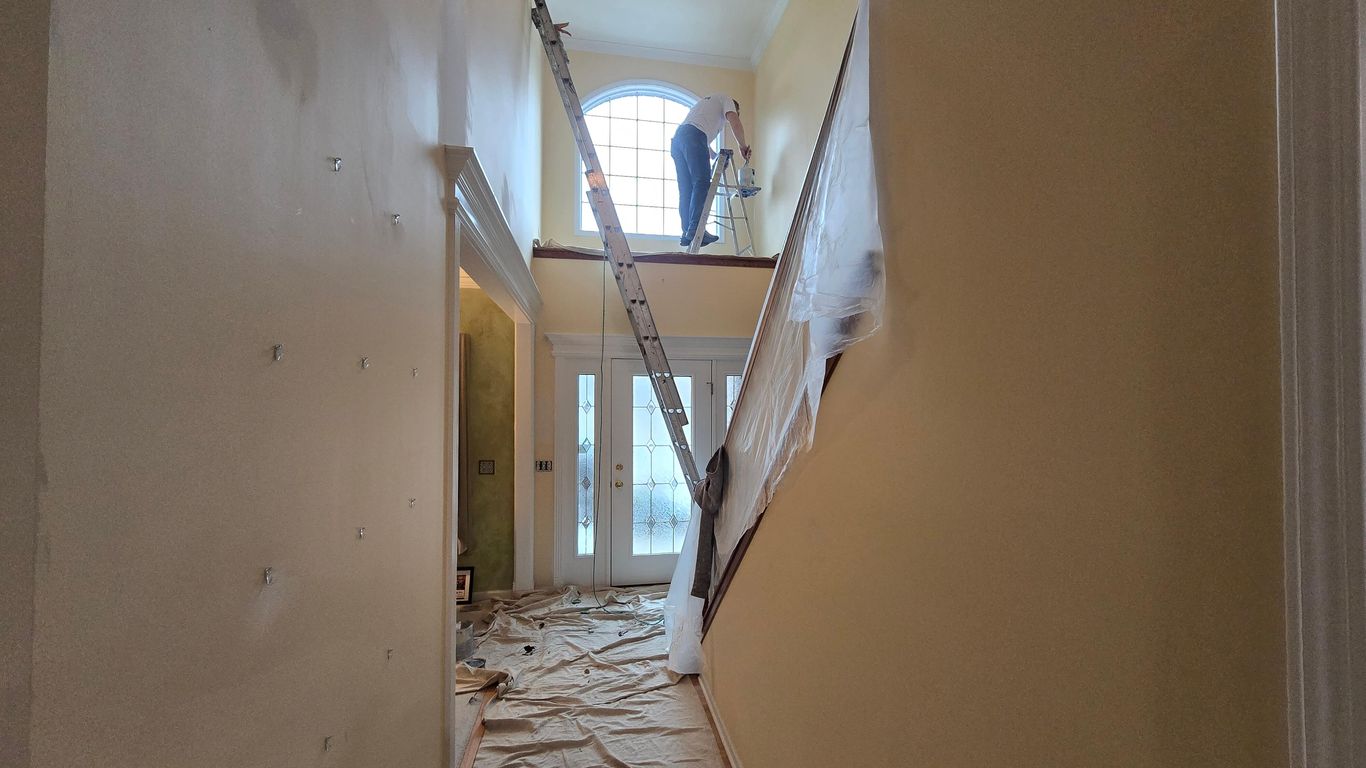
Even the sturdiest walls can develop issues over time. Cracks, holes from misplaced nails, or damage from water can really mess up how a room looks, and they definitely won’t look good under a fresh coat of paint. Getting these imperfections fixed is a big part of making sure your painting project turns out great.
When you hire a painting contractor, they often handle drywall repair as part of the surface preparation. This means they’ll patch up any holes, fix cracks, and smooth out any rough spots. They’ll make sure the repaired areas blend in perfectly with the rest of the wall, so you won’t even know there was damage there in the first place. It’s all about creating a smooth, even surface for the paint to go on.
Here’s what you can expect when a pro handles drywall repair:
- Assessment: They’ll look at the damage – whether it’s a small nail hole or a larger crack – and figure out the best way to fix it.
- Repair: This usually involves applying joint compound, sometimes with mesh tape for larger cracks, and letting it dry.
- Sanding: Once dry, the patched area is sanded smooth to match the surrounding wall texture.
- Priming: A coat of primer is applied over the repaired spot to ensure the new paint covers evenly and the repair doesn’t show through.
Sometimes, the damage might be more extensive, like from a significant water leak. In those cases, a section of the drywall might need to be replaced entirely. A good contractor will know when this is necessary and can handle the full replacement, ensuring the new section is properly installed and finished.
Don’t underestimate the importance of good drywall repair. A flawless paint job starts with flawless walls. Trying to paint over cracks or holes will just make them more noticeable and can lead to the paint peeling or cracking prematurely in those spots. It’s a foundational step that makes all the difference in the final look and longevity of your paint job.
If you’re dealing with older homes, you might encounter plaster walls that have been converted to drywall, or just general settling cracks. Professionals can often match existing textures, which is a tricky skill that makes repairs almost invisible. They’re equipped to handle everything from minor cosmetic fixes to more involved repairs, making sure your walls are in perfect condition before any paint touches them. This attention to detail is what separates a professional finish from a DIY attempt. You can find painters who specialize in these kinds of surface preparation tasks.
7. Wallpaper Removal
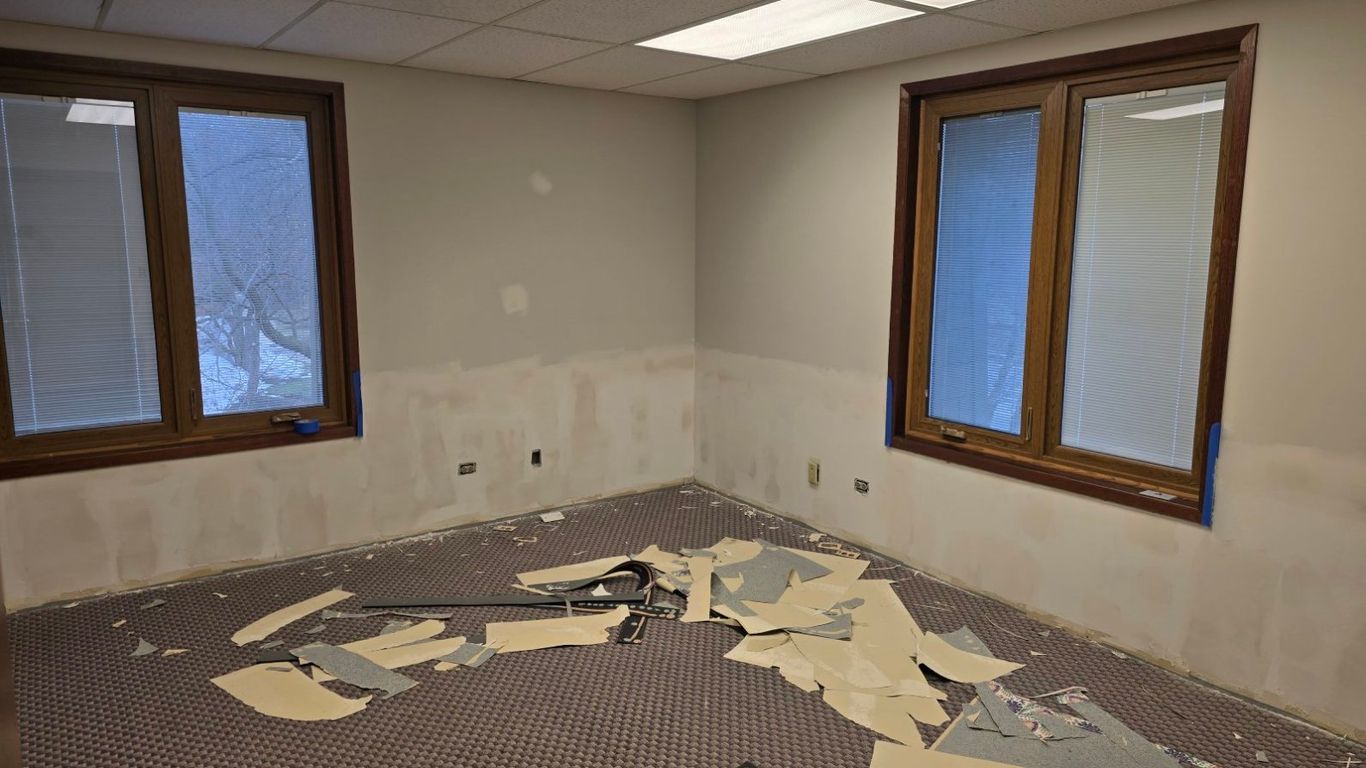
Wallpaper can be a pain to remove, especially if it’s old or has been painted over. Trying to peel it off yourself can lead to torn paper, damaged drywall, and a whole lot of frustration. Professional wallpaper removal is key to a smooth transition to a fresh coat of paint.
When you hire a painting contractor who also handles wallpaper removal, you’re getting someone who knows the best methods for different types of wallpaper and adhesives. They have the tools and experience to get the job done without damaging your walls.
Here’s what you can expect:
- Assessment: The contractor will look at the type of wallpaper and how it’s adhered to determine the best removal strategy.
- Preparation: They’ll protect your floors and furniture with drop cloths and plastic sheeting.
- Removal: Using specialized tools and solutions, they’ll carefully strip away the old wallpaper.
- Surface Repair: After removal, they’ll inspect the walls for any damage, like gouges or torn drywall paper, and make necessary repairs.
- Priming: Once the walls are clean and repaired, they’ll apply a primer. This is super important because it seals the surface, prevents any leftover adhesive from showing through, and creates a good base for the new paint.
Different methods exist for tackling stubborn wallpaper, and a pro knows which one to use. Sometimes it’s a simple scoring and wetting process, while other times, a steamer or chemical stripper might be needed. Choosing the right approach makes all the difference.
Don’t underestimate the mess and potential damage that can come with DIY wallpaper removal. It often creates more work and expense in the long run than hiring a professional from the start. A clean, properly prepped wall is the foundation for any beautiful paint job.
8. Wood Staining
Wood staining is a fantastic way to bring out the natural beauty of wood while also protecting it. Whether you’re looking to refresh a deck, a fence, or even interior wood features like trim or doors, staining offers a different look and feel compared to painting. It lets the wood grain show through, giving it a warm, organic character.
When you’re thinking about staining, there are a few things to consider:
- Type of Wood: Different woods take stain differently. Hardwoods like oak or maple might give a more uniform look, while softer woods like pine can sometimes absorb stain unevenly, leading to blotchiness if not prepped correctly. Professionals know how to handle these variations.
- Desired Look: Stains come in a huge range of colors, from light, natural tones to deep, rich hues. You can also choose between oil-based and water-based stains, each with its own pros and cons regarding application and durability.
- Protection: Beyond just looks, stain acts as a sealant, protecting the wood from moisture, UV rays, and general wear and tear. This is especially important for outdoor projects like decks and fences.
Getting the right finish often comes down to proper preparation and application. This means cleaning the wood thoroughly, sanding it smooth, and applying the stain evenly. For outdoor structures, like decks, regular maintenance, including reapplication of stain every few years, is key to keeping them looking good and preventing rot. If you’re in the Greater Boston area and need expert deck staining, companies like Tom Curren Companies specialize in protecting and enhancing these outdoor spaces.
Choosing between staining and painting often depends on the look you’re going for and your lifestyle. Staining highlights the wood’s natural texture, while painting provides a uniform color. Both offer protection, but staining is generally better for showing off the wood’s inherent beauty.
9. Masonry And Brick Painting
Painting masonry and brick surfaces can really change the look of your home. It’s not just about slapping some paint on; there’s a bit more to it than that. You want the paint to stick well and last, especially since these materials can be tricky.
The biggest thing to remember is that masonry and brick are porous materials. This means they can absorb moisture. If you use the wrong kind of paint or don’t prepare the surface right, that trapped moisture can cause problems down the line, like peeling or bubbling paint. It’s why using a breathable coating is so important.
Here’s a general idea of how it’s done:
- Cleaning: The surface needs to be thoroughly cleaned. This usually involves pressure washing to get rid of dirt, mildew, and old paint. Sometimes, a special cleaner is needed.
- Repair: Any cracks or crumbling areas in the mortar or brick need to be fixed. A good painter will patch these up so the surface is smooth and sound.
- Priming: A special primer designed for masonry is usually applied. This helps the paint stick better and seals the surface properly.
- Painting: The right type of paint is applied, often with a sprayer for even coverage, followed by back-rolling to ensure it gets into all the nooks and crannies. A high-nap roller is good for getting paint into the mortar lines.
When you’re looking for someone to paint your brick or stone, ask about their experience with these specific materials. They should know which paints work best and how to prep the surface so the paint job lasts. It’s a different ballgame than painting smooth siding, and getting it right makes a big difference in how your home looks and how long the paint holds up. Painting brick is a permanent change, so you want to make sure it’s done right the first time. If you’re considering this for your home, it’s worth looking into professional exterior painting services to ensure the job is done correctly.
10. Textured Finishes
Beyond the smooth, flat look of standard paint, there’s a whole world of textured finishes that can add serious character and depth to your walls and ceilings. Think of it as giving your surfaces a bit of personality, moving past just color to incorporate actual visual and tactile interest. These aren’t just for fancy homes, either; they can make a big difference in any space.
Textured finishes are basically techniques that create a pattern or dimension on a surface. They can hide minor imperfections in drywall, which is a nice bonus, and they can completely change the feel of a room. Some popular options include:
- Knock-down texture: This is a common one, especially for ceilings. It’s made by spraying a compound onto the wall and then flattening it slightly with a broad knife. The result is a soft, irregular pattern that looks natural and isn’t too busy.
- Skip-trowel: This technique uses a trowel to create a more layered, old-world plaster look. It has more depth and variation than knock-down and works well for feature walls where you want the texture to really stand out.
- Orange peel: A lighter spray texture that looks a bit like the skin of an orange. It’s subtle but adds enough interest to hide small flaws and works well in modern spaces.
- Faux finishes: These are multi-layer techniques that mimic other materials like stone, concrete, or even fabric. They can be incredibly convincing and add a unique, high-end feel without the cost of the real materials.
Applying these finishes correctly is key, and it’s definitely not a DIY job for most people. It requires specific tools, the right materials, and a lot of practice to get it looking intentional and not just messy. A professional painter knows how to prep the surface properly – which is super important because texture can actually highlight bad prep work – and they have the skills to apply the texture evenly and consistently. They can also help you choose the right texture for the space, considering things like lighting and the room’s overall style. If you’re looking to add something special to your home, exploring decorative finishes is a great way to go.
Getting a textured finish right means paying close attention to the prep work. Any bumps, patches, or unevenness underneath will show through, and sometimes even be amplified, by the texture itself. That’s why hiring someone with experience in these specific techniques is so important for a good outcome.
Adding cool textures to your walls can really make a room pop! Think about different ways to finish your surfaces, like using special paints or plaster. These textured finishes can hide small imperfections and add a unique touch to your home. Want to see some amazing examples and learn more about how we can transform your space? Visit our website today!
Conclusion
Finding the right painting contractor can feel like a big task, but it’s worth the effort. A good painter does more than just put color on your walls—they help protect your home and make it feel fresh again. Take your time to check reviews, ask for proof of insurance, and look at their past work. Don’t be afraid to ask questions about prep work or what brands of paint they use. The best contractors are happy to walk you through their process and make sure you’re comfortable before they start. In the end, a little research goes a long way. When you find a contractor who listens and delivers what they promise, you’ll see the difference every time you walk into your newly painted space. Good luck with your next project!
Frequently Asked Questions
What’s the biggest difference between a DIY paint job and hiring a pro?
While anyone can pick up a brush, a professional painter does much more than just apply color. They focus heavily on preparing surfaces, fixing any damage, and using the right techniques and materials. This attention to detail is what makes a paint job look great and last for years, preventing issues like peeling or bubbling that often happen with DIY projects.
Why should I hire a licensed and insured painting contractor?
Hiring a licensed and insured contractor is super important for your protection. It means they’ve met certain standards and carry insurance that covers accidents. If someone gets hurt on your property or something gets damaged, their insurance handles it, so you’re not responsible. It gives you peace of mind.
How important is the preparation work before painting?
Preparation is actually the most crucial part of a good paint job! It involves cleaning walls, fixing cracks or holes, sanding rough spots, and applying primer. Skipping these steps means the paint won’t stick well and will likely start to fail quickly. Professionals know exactly what prep is needed for a lasting finish.
Can a painting contractor help me choose colors?
Absolutely! Many professional painters offer color consultation services. They can help you sort through all the color options and suggest shades and finishes that will look good in your home and work well with your existing decor. They can also advise on different paint sheens for different rooms.
What kind of prep work should I do before the painters arrive?
While the painters will handle most of the prep, you can help by moving small furniture, fragile items, and electronics out of the way. Clearing the walls of pictures and decorations is also a big help. If you want to go the extra mile, dusting walls and removing cobwebs is appreciated, but not required.
What’s the difference between interior and exterior painting contractors?
Some contractors specialize in just one, while others do both. Interior painters focus on the details and finishes inside your home, like walls, ceilings, and trim. Exterior painters deal with protecting your home from the weather, working on siding, fences, and other outdoor surfaces. A contractor who does both can ensure a consistent look and quality throughout your entire property.