
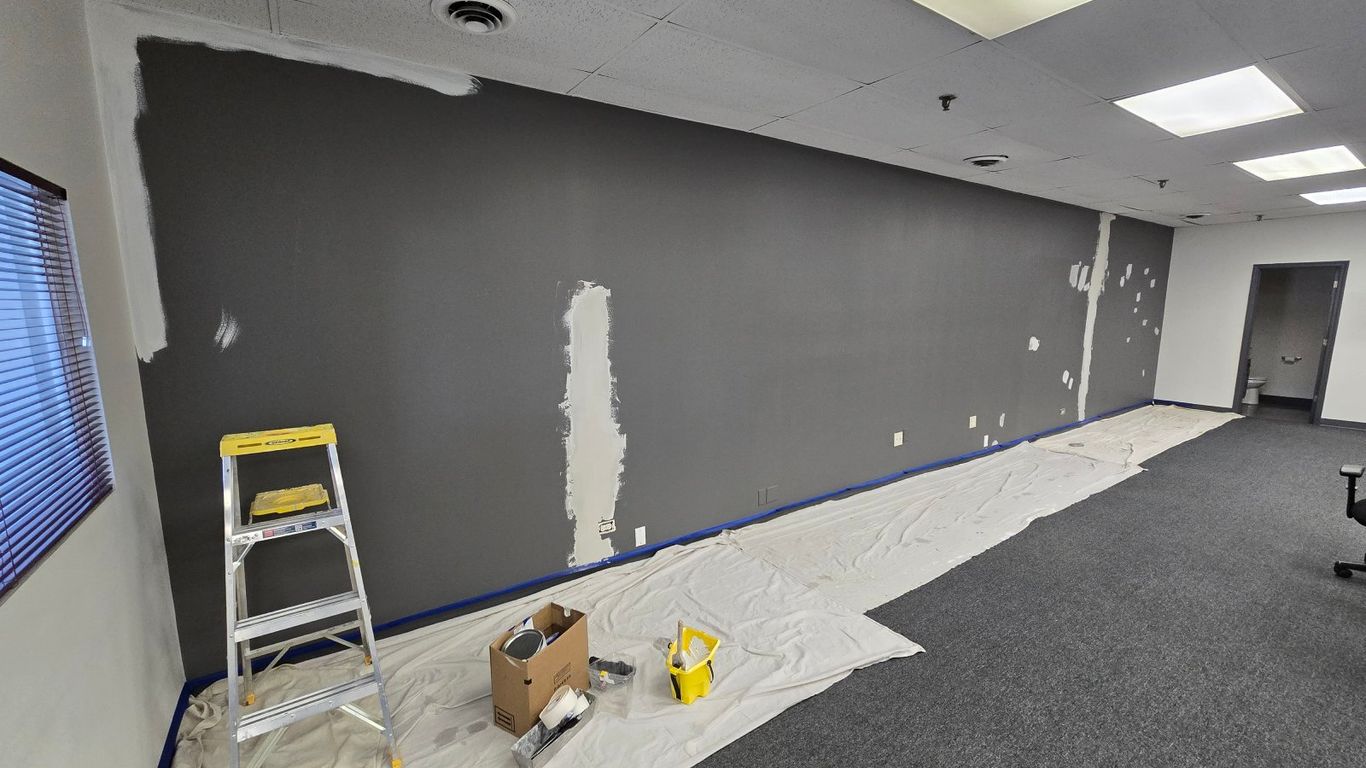
Thinking about a home improvement project that involves paint? It might seem like a simple DIY job, but hiring a professional painter can make a world of difference. From making sure the paint actually sticks for years to come, to getting those super clean lines you just can’t seem to achieve yourself, a good painter is worth their weight in gold. This guide will help you figure out how to find the right person for the job, what to expect, and why you should probably just leave the brushes to the pros.
Key Takeaways
- Finding a skilled painter means looking beyond just a good price. Check their experience, look at past work, and see what other people say about them.
- Proper surface prep is a huge part of why professional paint jobs last. A good painter will spend a lot of time cleaning, sanding, and fixing surfaces before any paint touches them.
- Always verify that a painting contractor is licensed and insured. This protects you if anything goes wrong on your property.
- A professional painting project usually involves a consultation, a detailed contract, and clear communication throughout the process.
- Professional painters offer services beyond just walls, like cabinet refinishing and exterior painting, which require special skills and materials.
Finding Your Ideal Painting Professional
Understanding the Value of Professional Painters
It’s tempting to grab a brush and just handle painting yourself—but trust me, most DIY paint jobs don’t stand the test of time. Professional painters bring precision, proper prep work, and durable materials that simply last longer and look better. They know what makes paint stick (or peel), how to keep your baseboards clean, and what to do when your wall patching looks like a mess after you try to fix it yourself. Professional painting isn’t just about making things look nice on day one; it’s about making sure you won’t be scraping, sanding, or repainting in a year or two.
- Professional-grade paints and primers
- Proper surface prep, ensuring durability
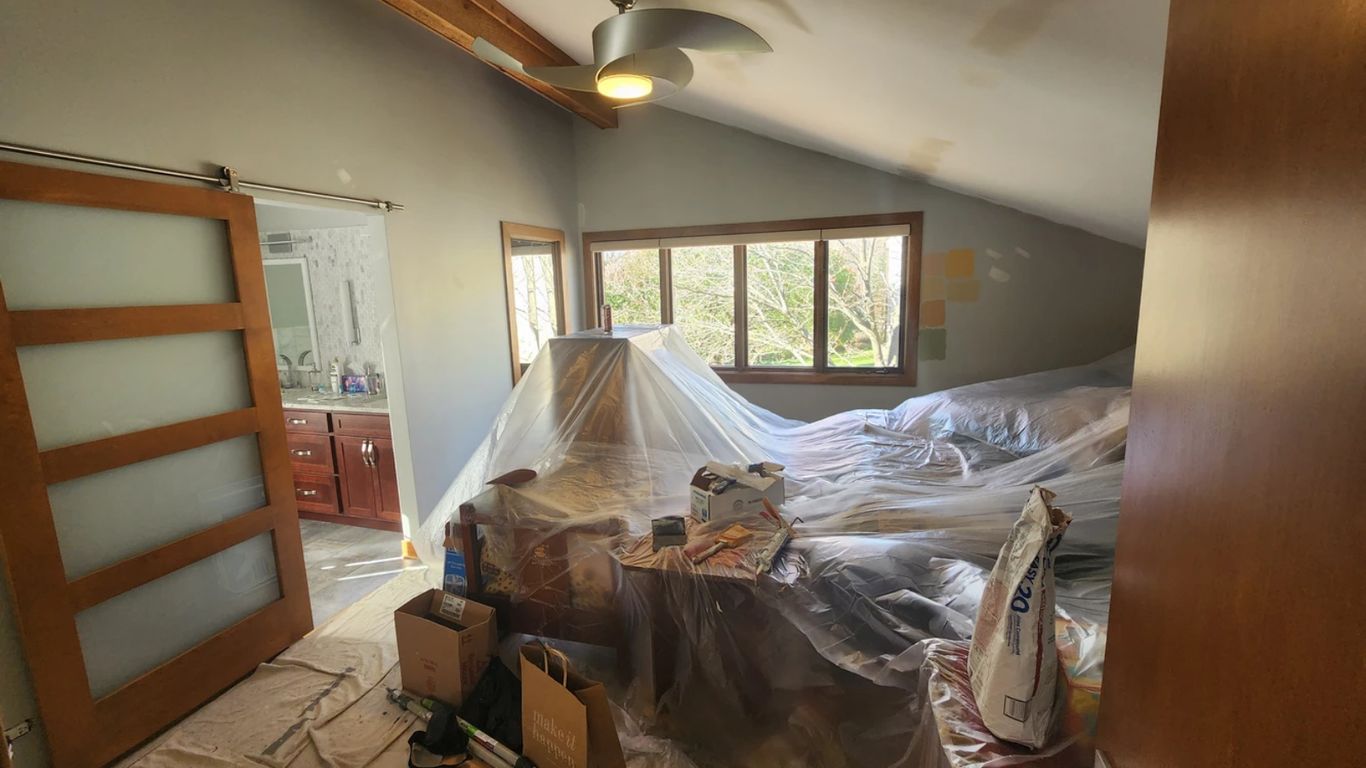
- Tidy jobsite: furniture and floors are covered and respected
- Speed (they finish in a fraction of the time most folks take)
When you hire a true pro, you’re paying not just for paint but for their skill, reliability, and the peace of mind knowing there won’t be expensive surprises along the way.
For local homeowners, browsing through customer reviews can help you sort the amateurs from the proven pros.
Key Qualities of a Skilled Painter
Finding the right person is less about fancy logos and more about their reputation, reliability, and results. Here’s what to look for:
- Experience: Has this painter handled projects like yours—interior walls, exterior siding, cabinets? Ask for photos or references.
- Attention to detail: They should be neat, careful, and thorough with prep work.
- Licensed & Insured: Always check for up-to-date credentials. This saves you headaches if something goes wrong.
- Clear communication: Do they answer your questions and explain their process, timeline, and products?
- Strong reviews: Read others’ experiences. Consistent positive feedback is a strong signal.
A quick checklist for painter selection:
| Painter Criteria | Why It Matters |
|---|---|
| Licensed & Insured | Prevents liability and protects your home |
| Portfolio of Work | Shows quality and breadth of experience |
| Positive Reviews | Indicates reliability and trustworthiness |
| Clear Quote/Contract | Avoids hidden fees and misunderstandings |
When to Seek Professional Painting Services
So, when is hiring a pro the right move? If you find yourself facing any of these scenarios, call in a professional:
- The project is larger than a single accent wall—think whole rooms or exteriors
- Surfaces are damaged or need repairs before painting
- You want specialty finishes (cabinet refinishing, textured walls)
- Safety or height is an issue—vaulted ceilings, multi-story homes
- Tight deadlines, such as prepping for a home sale or event
Honestly, if you care about the outcome (or just want to avoid a major headache), getting a professional quote is a good idea. Some reputable pros even offer a free consultation and estimate, like Patrick’s Painting, so there’s no risk to at least see what you’re in for before you break out the rollers.
Even small jobs—like painting a bathroom or the trim in a hallway—benefit from a pro’s touch. The difference in crispness, durability, and cleanup is real.
The Crucial Role of Surface Preparation
You know, when you’re thinking about getting your house painted, it’s easy to get caught up in picking the perfect color or imagining that fresh, clean look. But honestly, the real magic, the stuff that makes a paint job last for years and look truly professional, happens before the paint even touches the walls. It’s all about the prep work. Skipping this part is like building a house on a shaky foundation – it’s just not going to hold up.
Why Proper Prep is Paramount for Longevity
Think of surface preparation as the groundwork for a great paint job. If the surface isn’t clean, smooth, and sound, the new paint has nothing solid to stick to. This is where many DIY projects go wrong. You might end up with paint that peels, bubbles, or cracks way sooner than you’d expect. Professionals know that spending time on prep work saves you headaches and money down the road. It’s not just about making it look good right away; it’s about making it look good for a long time. A well-prepared surface means the paint adheres better, lasts longer, and resists damage from everyday life and the weather. For exterior painting, this step is even more critical to protect your home from the elements. Proper prep work is crucial for a long-lasting and beautiful finish.
Essential Steps in Professional Surface Preparation
Professional painters follow a pretty detailed checklist to get surfaces ready. It’s not just a quick wipe-down. Here’s a general idea of what goes into it:
- Cleaning: This means getting rid of all the gunk – dirt, dust, grease, mildew, and chalking. For interiors, especially kitchens, a good degreaser is a must. For exteriors, power washing might be involved.
- Repairing: Any holes, cracks, or peeling paint need to be fixed. This involves patching drywall, scraping loose paint, and filling gaps. A smooth, even surface is the goal.
- Sanding: This step is key for making sure the new paint has something to grip onto. It dulls down glossy surfaces and smooths out repaired areas. Sometimes, it’s just a light scuff; other times, it’s more thorough.
- Caulking: Sealing up gaps where walls meet trim, or around windows and doors, prevents drafts and gives a clean, finished look.
- Priming: A good primer seals the surface, blocks stains, and helps the topcoat adhere better. It’s especially important over repairs or on surfaces that are tricky to paint.
The difference between a paint job that looks good for a few years and one that looks great for a decade often comes down to how much attention was paid to these initial steps. It’s the unseen work that truly makes the difference.
How Prep Work Prevents Future Paint Failures
When you skip proper preparation, you’re basically inviting problems. For instance, painting over dirt or grease means the paint won’t stick well, leading to peeling. If you paint over cracks without filling them, the paint will just highlight them, and they might even get worse. Painting over mildew without cleaning it first means the mildew will likely grow back through the new paint. Reliable painting companies emphasize careful preparation because they know these issues. They understand that fixing a small crack now is much easier and cheaper than dealing with a large paint failure later. It’s all about building a durable, lasting finish from the ground up.
Evaluating a Painting Contractor’s Credentials
When you invite someone to paint your home, you’re trusting them with your biggest investment. Credentials aren’t just paperwork—they prove you won’t get caught in a mess if something goes wrong. Picking a contractor with the right credentials helps guarantee your peace of mind and a job done right. Let’s break down what matters most when checking out potential hires.
Verifying Licensing and Insurance for Your Protection
First things first: make sure any contractor you’re considering is licensed and insured. Ask them directly or look it up—don’t just take their word for it. Here’s a quick checklist:
- Request their license number and confirm it with your state’s licensing board. States have different requirements, so review your area’s standards with a resource like ERGO NEXT’s guide to licensing requirements.
- Ask for a copy of their insurance certificate, especially for general liability and workers’ compensation.
- Verify that their policies are current—expired insurance is worthless if something happens.
| Credential | What to Look For | Why It Matters |
|---|---|---|
| Contractor’s License | Current, matches your state | Legal right to operate |
| Liability Insurance | Covers property damage | Protects your home |
| Workers’ Compensation | Covers worker injuries | Protects you from lawsuits |
Too many homeowners run into headaches because they skip these steps. Protect yourself from costly surprises by digging into the details upfront.
Assessing Experience and Online Reputation
Not all experience is created equal. Some painters might be new to your area, while others have been working for years on local homes. Here’s what you’ll want to check:
- How long have they been operating under their current business name?
- Can they handle both interior and exterior work, or do they specialize?
- Do they have strong ratings on reputable review platforms (Google, Yelp, etc.)? Consistency over time is a sign of steady quality.
- Are there any red flags, like unresolved complaints?
Bulleted list of what to look for:
- Years in business (aim for 5+ for reliability)
- Clear, recent customer reviews (preferably pictures included)
- Info about crew size and supervision
- Details on safety and prep standards
Reviewing a Painter’s Portfolio and References
Every painting contractor will promise a beautiful finish—but can they actually show it? This is where a solid portfolio (photos of past jobs) really matters. Take the following steps:
- Ask for before-and-after photos of similar homes or rooms.
- Contact at least two recent references—and don’t be shy about asking tough questions (Were issues handled quickly? Did the job finish on time?).
- If you can, visit a completed project in person to see the finish firsthand.
When speaking with references, consider asking:
- Was the crew polite and respectful?
- Did they keep the workspace tidy?
- Would you hire them again?
The best contractors actually want you to speak with happy former customers—they know it’s their best sales pitch.
Checking credentials can feel boring, but it’s the foundation for a smooth painting project. Take the time upfront so you can relax and enjoy your home’s new look later.
Understanding the Professional Painting Process
Getting your home professionally painted is more than simply picking a color and letting workers loose with rollers. A quality painting contractor follows a clear, step-by-step process that makes a real difference in the result and your satisfaction. Here’s what you can expect from start to finish.
From Initial Consultation to Project Completion
- Consultation: It starts with a walk-through. The contractor looks at your rooms, notes any problem areas, measures square footage, and listens to what you want to achieve. They’ll discuss colors, finishes, and what’s realistically possible.
- Detailed Proposal: Next comes a written estimate, outlining costs for labor, materials, and an expected timeline. Good pros will list the paint brands and number of coats included.
- Scheduling and Prep: Once you approve the proposal, the job is scheduled at a time that works for you. Before work begins, furniture is moved or covered, floors protected, and any fragile items set aside. Communication about what needs to be packed up—or what can stay—is key for both sides.
Expect every detail to be confirmed up front—no surprises should pop up halfway through, from color mishaps to missed prep work.
The Importance of Detailed Written Contracts
Having everything in writing protects you and the contractor. Look for these contract basics:
- Start and end dates
- Description of work (rooms, surfaces, number of coats, prep tasks)
- List of paint products/brands
- Cleanup procedures and who is responsible
- Payment schedule—don’t pay fully up front
- Warranty details for both workmanship and materials
This contract helps set clear expectations. If anything needs changing once work starts (say, you want a different color), changes should be added in writing.
| Contract Detail | Why It Matters |
|---|---|
| Project Scope | Clear scope prevents missed areas/tasks |
| Timeline | Avoids drawn-out projects |
| Payment Terms | Protects both the homeowner and the painter |
| Materials Listed | Ensures agreed-upon quality |
| Warranty Provided | Peace of mind after completion |
What to Expect During the Painting Project
- Surface Preparation: This is the longest phase and makes or breaks the finish. Professionals will clean walls, fill holes, sand rough patches, and use primer where needed. It’s not glamorous work but insures the paint sticks and lasts.
- Paint Application: Whether using brush, roller, or sprayer (depending on the space), your crew applies even coats. They’ll tackle ceilings, trim, doors, all per the contract.
- Daily Cleanup: Experienced painters tidy up at the end of each day, so you’re not tripping over drop cloths or tools. Smells and mess should be minimal.
- Regular Check-ins: You’ll get updates—if not daily, then at major milestones—so you always know what’s happening next. Open lines help if you have questions or requests. Learn more about a painter’s step-by-step approach to exteriors, which often mirrors the process for interiors.
- Final Walk-Through: Once everything dries, you and the painter review the results together. If touch-ups or corrections are needed, this is when you point them out.
A smart painting project is a managed, methodical process—not a mad dash with a paint roller. Professionals thrive on routine because that’s how they consistently deliver walls and trim that look new, feel smooth, and stand up to years of cleaning and sunlight.
Specialized Painting Services for Your Home
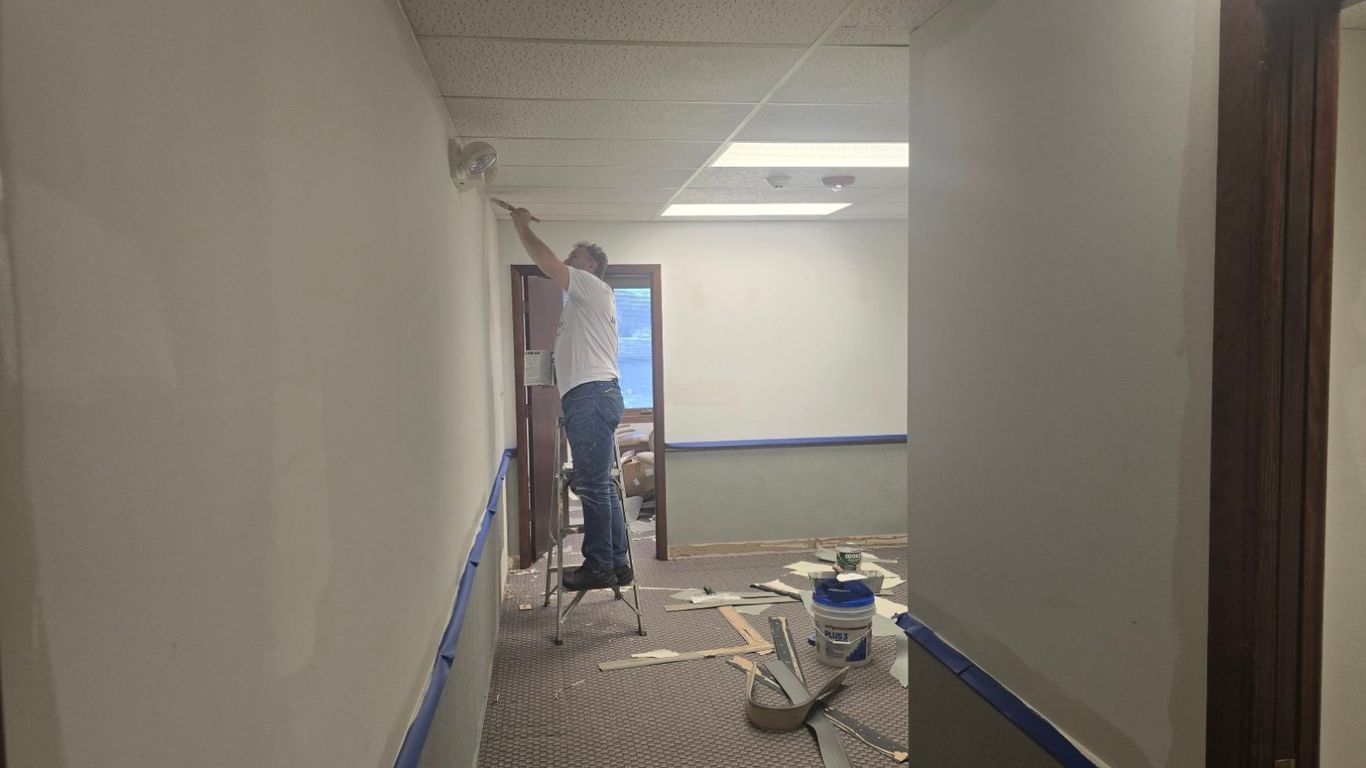
Beyond just painting walls, professional painters can tackle a variety of projects that really make your home shine. Think about those areas that get a lot of wear and tear, or those details that can totally change a room’s feel. A good painter knows how to handle these specific jobs.
Transforming Interiors with Expert Application
When you want to refresh your living space, interior painting is the way to go. This isn’t just about slapping paint on walls. Professionals handle everything from ceilings to baseboards, making sure the colors flow nicely from one room to the next. They use quality paints that look good and are easy to clean, which is a big plus for busy households. They also know how to deal with tricky spots like accent walls, which might need special primers or extra coats to get that color just right. Bathrooms, with all their moisture, need specific types of paint and careful prep to avoid problems down the line. And don’t forget trim and doors – these get bumped and scuffed a lot, so they need a tough, smooth finish that holds up.
Cabinet Refinishing for a Kitchen Refresh
Replacing kitchen cabinets is a huge expense and a major disruption. A much more budget-friendly option is cabinet refinishing. This process takes old, tired cabinets and makes them look brand new. It involves a lot of detailed work: cleaning them thoroughly, sanding them down just right, and then applying special coatings. These coatings are made to handle the heat and grease that kitchens throw at them, so the finish lasts. It’s a sophisticated way to update your kitchen without a full renovation. You can get a factory-like finish that really makes a difference. This is a service that really requires a pro’s touch; it’s not a simple DIY job.
Exterior Painting for Lasting Protection
Your home’s exterior takes a beating from the weather. A good paint job does more than just make it look nice; it actually protects your house. Professionals know how to prep exterior surfaces, which often involves power washing to get rid of dirt and mildew, and repairing any cracks or damage. They use paints that are built to withstand sun, rain, and temperature changes. This keeps your home looking good and prevents bigger problems like water damage down the road. Whether it’s siding, trim, or even a fence, getting the exterior painted by pros means it will look great and be protected for years to come. It’s a big job, but it’s worth it for the protection and curb appeal it provides. You can find professional exterior painting services that focus on this kind of lasting protection.
A professional paint job, whether inside or out, is an investment in your home’s appearance and its structural well-being. It’s about more than just color; it’s about protection, durability, and a finish that stands the test of time. When you hire pros for specialized tasks, you’re getting the benefit of their experience with specific materials and techniques that ensure a superior outcome.
Ensuring a Smooth Project Experience
Getting a professional painting job done is exciting, but it can also feel a little overwhelming. You want the process to go as smoothly as possible, right? That means knowing what to expect and doing a little prep work yourself to help the painters out. It’s a team effort, really.
Preparing Your Home for the Painting Crew
Before the painters even show up, there are a few things you can do to make their job easier and protect your belongings. Think of it as getting your house ready for a spa day.
- Clear the decks: Move smaller furniture, decor items, and anything fragile away from the walls in the rooms being painted. If you have valuable artwork or electronics, it’s best to relocate them entirely.
- Protect your floors and furniture: While the painters will cover everything with drop cloths, it’s a good idea to move items away from the walls so they have ample space to work. This also helps prevent accidental scuffs or paint splatters on your larger pieces.
- Address pet and child safety: Consider where your pets and young children will be during the project. Paint fumes, even low-VOC ones, can be bothersome, and open doors can be a safety concern. It might be best to keep them in a separate part of the house or arrange for them to stay elsewhere for a day or two.
Maintaining Communication Throughout the Project
Good communication is key to a successful painting project. You want to feel informed and comfortable with how things are progressing.
- Designate a point person: Know who your main contact is on the painting crew. This makes it easy to ask questions or voice concerns without having to track down different people.
- Regular check-ins: Don’t hesitate to ask for brief updates. A quick chat at the end of the day or the start of the next can keep you in the loop.
- Be clear about expectations: If something doesn’t look quite right to you, speak up early. It’s much easier to make adjustments when the paint is still fresh. A good contractor will want to know if you have any hesitations.
The painting process itself is often quicker than the preparation, but it’s the meticulous attention to detail during both phases that truly makes a difference. Professionals understand the importance of masking off edges, protecting surfaces, and applying paint evenly. This careful approach prevents future issues like peeling or uneven finishes, ensuring your investment looks great for years to come.
Final Walk-Through and Project Sign-Off
Once the painting is done, there’s one last important step: the final inspection. This is your chance to give the work a thorough once-over.
- Inspect all painted areas: Look closely at the walls, trim, ceilings, and any other surfaces that were painted. Check for missed spots, drips, or uneven coverage.
- Examine the details: Pay attention to cut-in lines, edges, and areas where trim meets walls. These are often indicators of a professional finish.
- Address any concerns: If you notice anything that doesn’t meet your expectations, point it out to the crew leader. Reputable painters will want to make any necessary touch-ups before considering the job complete. You can find a skilled exterior painter who will ensure your home is protected and looks its best.
Once you’re satisfied with the results, you’ll sign off on the project. This signifies that the work has been completed to your satisfaction and that the contractor has fulfilled their obligations. Knowing who will be on-site daily and who your main contact is can also help streamline this process, as mentioned by industry experts.
We want your project to be easy and stress-free from start to finish. Our team is here to make sure everything goes smoothly, handling all the details so you don’t have to worry. We focus on clear communication and keeping you updated every step of the way. Ready to start your project with confidence? Visit our website today to learn more and get a free quote!
Wrapping Up Your Painting Project
So, you’ve learned a lot about what goes into hiring a pro painter. It’s more than just picking a color and hoping for the best. Remember to check their credentials, look at their past work, and always get a clear, written plan before they start. While doing it yourself might seem like a money-saver at first, the time, effort, and potential for mistakes often make hiring a professional the smarter choice for a job done right and built to last. Taking the time to find the right team means you’ll end up with a home that looks great and stays that way for years to come.
Frequently Asked Questions
How do I know if a painting contractor is qualified?
Look for contractors who are licensed and insured. Check their reviews online and ask for references or a portfolio of their past work. This shows they have experience and care about their reputation.
Why is surface preparation so important before painting?
Good surface prep helps paint stick better and last longer. It includes cleaning, sanding, filling holes, and priming. Skipping these steps can lead to peeling or uneven paint in just a short time.
What should I ask during a painting estimate?
Ask about what prep work is included, what type of paint will be used, how long the job will take, and if there’s a written contract. Make sure you get a detailed quote that lists all costs and steps.
How do professional painters protect my home during the project?
Professional painters use drop cloths and plastic sheets to cover your furniture and floors. They move fragile items out of the way and clean up at the end of each day to keep your home safe and tidy.
How often should I repaint the inside and outside of my house?
Most homes need a new coat of exterior paint every 5 to 10 years, but wood might need it sooner. Inside, it depends on wear and tear, but usually every 5 to 7 years keeps things looking fresh.
What happens if I’m not happy with the paint job?
Talk to your contractor right away. Good painters will do a final walk-through with you to fix any problems before finishing. Make sure you have a contract that explains how issues will be handled.