
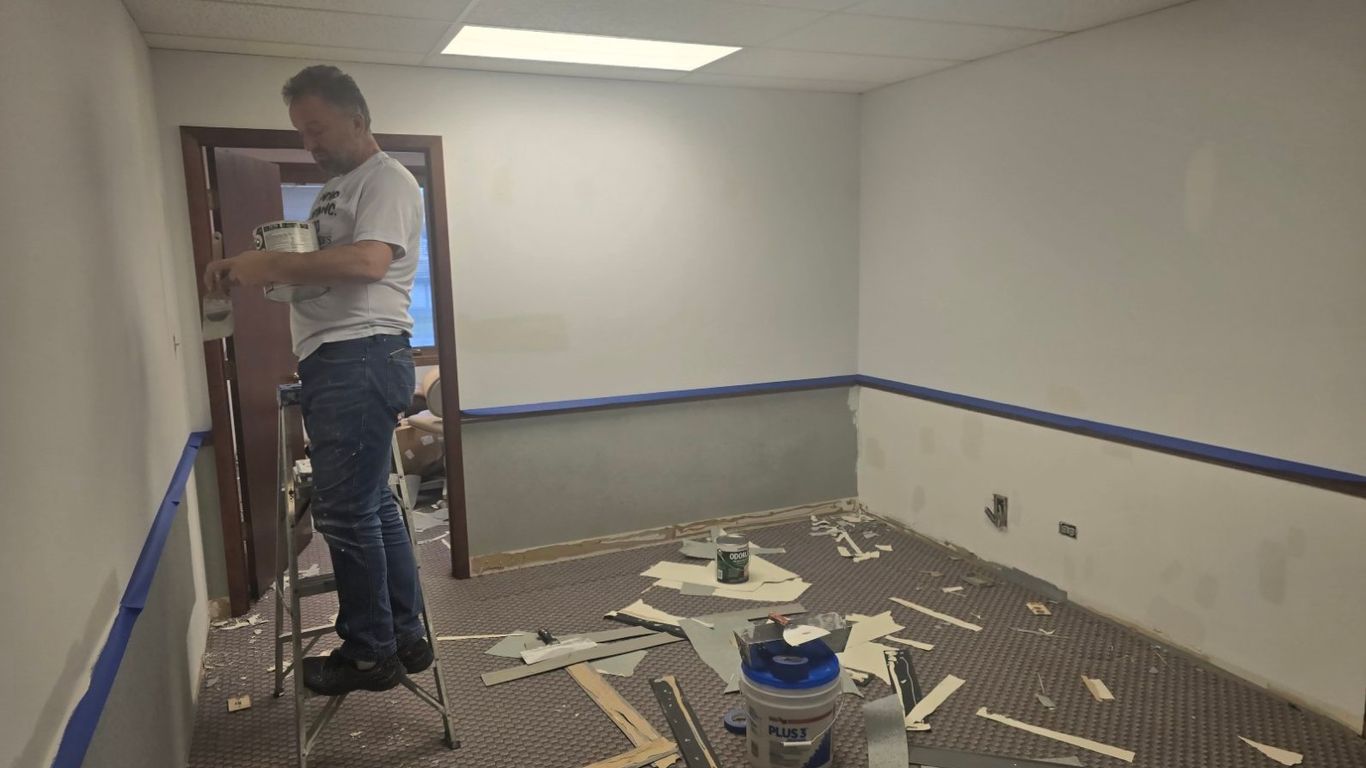
Thinking about giving your kitchen a facelift but don’t want to break the bank? You’ve probably looked around and wondered, ‘Where can I find cabinet painting near me?’ Well, you’re in the right place. Painting your kitchen cabinets is a fantastic way to update the look of your home without the huge cost and mess of a full renovation. It’s amazing what a fresh coat of paint can do to make your kitchen feel new again. Let’s explore how to get that perfect look.
Key Takeaways
- Professional cabinet painting can dramatically change your kitchen’s appearance for less than a full remodel.
- Proper preparation, including cleaning and sanding, is vital for a durable, smooth finish.
- Choosing the right paint sheen, like satin or semi-gloss, is important for durability in a kitchen environment.
- Hiring experienced cabinet painters ensures a factory-quality finish that stands up to daily wear.
- Cabinet painting offers a cost-effective way to refresh your kitchen, boost its value, and allow for personalized style choices.
1. Cabinet Painting Contractors
When you’re looking to refresh your kitchen, finding the right cabinet painting contractors is a big step. These aren’t just general painters; they’re specialists who know how to get that smooth, durable finish that makes cabinets look brand new. They use specific techniques and high-quality paints designed for the wear and tear kitchen cabinets go through.
Hiring professionals means you’re investing in a factory-grade finish that stands up to daily use.
Here’s what you can generally expect when you work with cabinet painting contractors:
- Detailed Preparation: This is where the magic really happens. Contractors will thoroughly clean your cabinets to remove grease and grime, sand them down to create a good surface for paint to stick to, and then apply a high-quality primer. This prep work is super important for a lasting finish.
- Professional Application: They often use sprayers to get that super smooth, even coat that’s hard to achieve with brushes or rollers. This method helps avoid drips and brush marks, giving you a look that’s hard to distinguish from new cabinets.
- Durable Finishes: Contractors use specialized paints, often enamels, that are designed to be tough. These paints resist chipping, scratching, and fading, which is exactly what you need in a busy kitchen environment.
- Color Consultation: Many contractors can help you pick the perfect color and sheen. Whether you want a bold statement or a subtle update, they can guide you based on current trends and what will work best with your kitchen’s existing style.
It’s a good idea to look for contractors with a solid track record, maybe even 33 years of experience if you’re in their service area. Checking reviews and asking for references can also give you peace of mind.
The difference between a DIY paint job and a professional one often comes down to the prep work and the application method. Contractors have the tools, the experience, and the know-how to handle the specific challenges of cabinet painting, like dealing with grease buildup and ensuring a perfectly smooth surface.
2. Kitchen Cabinet Painters
When you’re looking to give your kitchen a facelift without the huge expense of replacing everything, turning to specialized kitchen cabinet painters is a smart move. These pros focus solely on cabinets, meaning they’ve really honed their craft. They know the ins and outs of prepping surfaces, dealing with different wood types, and applying finishes that hold up to daily use – think splatters from cooking and the general wear and tear of a busy household.
These experts use specific techniques and industrial-grade coatings to achieve a smooth, durable, factory-like finish that’s hard to replicate with a DIY approach. It’s not just about slapping on some paint; it’s a detailed process. They’ll typically degrease, sand, prime, and then spray your cabinets, ensuring a flawless look that can completely change the feel of your kitchen. It’s a cost-effective way to get that brand-new kitchen vibe.
Here’s a general idea of what you can expect when hiring professionals:
- Consultation: Discussing colors, finishes, and your overall vision for the kitchen.
- Preparation: Thorough cleaning, sanding, and masking off areas to protect your home.
- Priming: Applying a high-quality primer for better paint adhesion and longevity.
- Painting: Using professional spraying equipment for an even, smooth coat.
- Reassembly: Carefully putting doors, drawers, and hardware back in place.
Choosing the right painter means looking for someone who understands the specific challenges of cabinet surfaces. They should be able to explain their process and the types of paints they use, especially noting their durability and resistance to moisture and grease. This attention to detail is what separates a good paint job from a great one.
If you’re in the market for a kitchen refresh, consider looking into professional cabinet painting services that focus on this specialty. It’s a fantastic way to revitalize your space.
3. Kitchen Cabinet Painting Services
Giving your kitchen cabinets a fresh coat of paint is a fantastic way to update the look of your entire kitchen without the huge expense of replacing them. It’s a smart move if your cabinets are structurally sound but just looking a bit tired or outdated. Professional kitchen cabinet painting services can really transform your space.
This process involves much more than just slapping on some paint; it’s about a detailed transformation. It starts with a thorough cleaning to get rid of all the grease and grime that kitchens tend to accumulate. Then comes the sanding, which is super important for making sure the new paint sticks properly. After that, a good primer is applied, followed by multiple thin coats of high-quality paint. The goal is to get a smooth, durable finish that looks almost like it came straight from a factory.
Here’s a general idea of what you can expect:
- Preparation: This is the big one. It includes degreasing, cleaning, sanding, and masking off areas to protect your countertops and appliances.
- Priming: A quality primer is applied to ensure good adhesion and a uniform base color.
- Painting: Multiple thin coats of specialized cabinet paint are applied, often using spray techniques for the smoothest finish.
- Reassembly: Once the paint is fully cured, doors and drawers are reattached, and hardware is put back on.
Choosing to paint your cabinets is a cost-effective alternative to a full remodel. You can pick pretty much any color you want, which really lets you personalize your kitchen. Plus, it adds value to your home. If you’re looking for top-rated local cabinet painters, doing a little research can help you find someone who will do a great job.
The right paint finish is key for durability in a busy kitchen environment. Semi-gloss or satin finishes are often recommended because they are easier to clean and resist wear and tear better than matte finishes.
4. Cabinet Painting And Repair
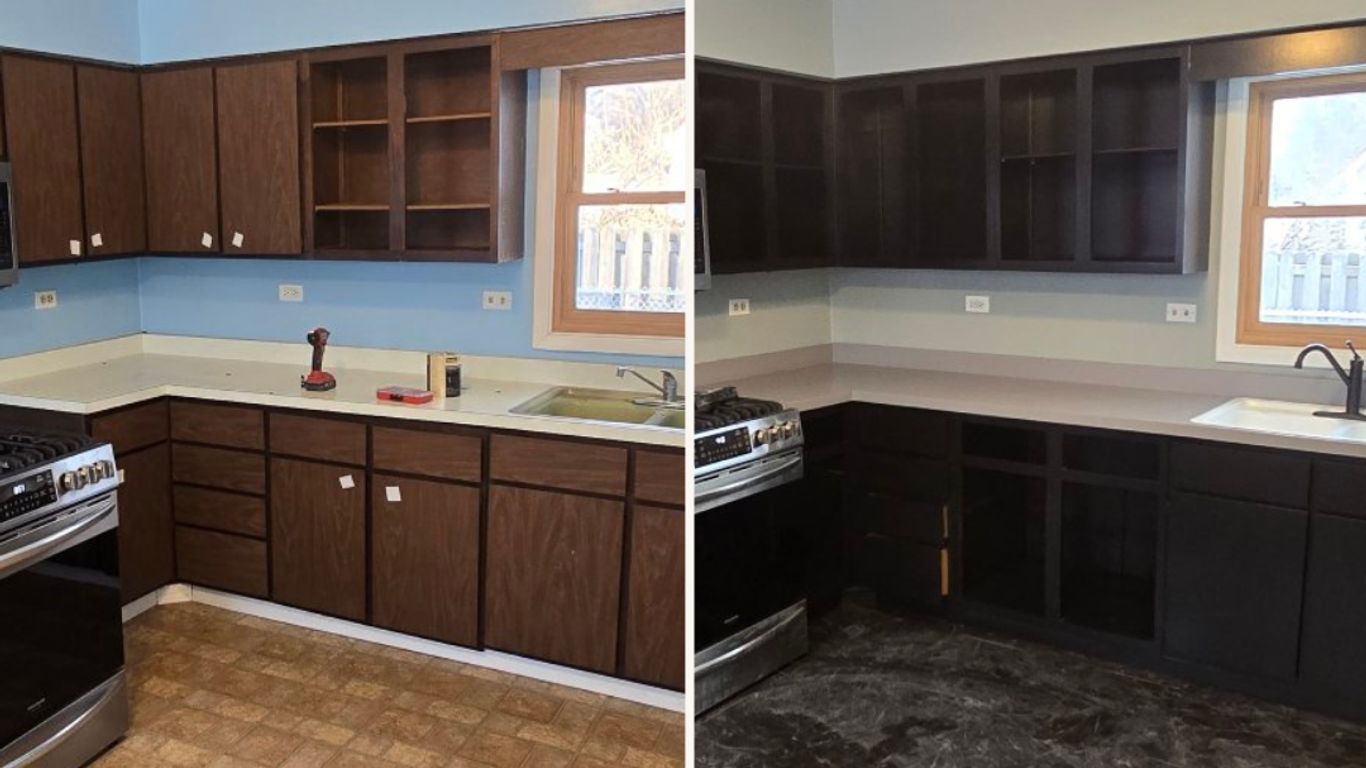
Sometimes, your kitchen cabinets aren’t just looking a little tired; they might have actual damage. Scratches, dents, or even minor structural issues can make them look worse for wear. That’s where cabinet painting and repair services come in. They don’t just slap on a new coat of paint; they actually fix the underlying problems first.
Think of it like this: you wouldn’t paint over a hole in the wall, right? The same logic applies to your cabinets. A good service will assess any damage, from small dings to deeper gouges, and repair them before any painting begins. This ensures a smooth, flawless finish that not only looks great but also lasts longer.
Here’s a general idea of what’s involved:
- Damage Assessment: A professional will look over your cabinets to identify any areas needing repair.
- Surface Repair: This could involve filling dents, fixing veneer, or repairing minor structural weaknesses.
- Surface Preparation: After repairs, the cabinets are cleaned, sanded, and prepped for painting, just like any other cabinet painting job.
- Painting: A fresh, durable coat of paint is applied for a like-new appearance.
This combination of repair and painting is key to a truly revitalized kitchen. It addresses both the aesthetic and the physical condition of your cabinets, making them look and feel brand new.
It’s important to remember that while painting can cover up minor imperfections, significant damage might require more extensive repairs or even a different solution altogether. A professional can help you determine the best course of action for your specific situation, balancing cost and desired outcome.
For example, if you have a lot of deep scratches or peeling laminate, a simple paint job might not be enough. However, for most common wear and tear, a combined painting and repair service is a fantastic way to get a lot of bang for your buck. It’s a smart alternative to full replacement, especially if your cabinet boxes are still in good shape. You can find local cabinet painting and repair specialists who can assess your needs and provide a tailored solution.
5. Kitchen Cabinet Resurfacing
When your kitchen cabinets are looking a bit tired but you’re not ready for a full renovation, cabinet resurfacing is a fantastic option. It’s all about updating the visible parts of your cabinets – think doors, drawer fronts, and the frames – without having to rip out the entire cabinet boxes. This approach can dramatically change your kitchen’s look without the huge cost and mess of a complete remodel.
Resurfacing focuses on the surfaces you see, keeping the underlying structure intact. This means you can get that "new kitchen" feel while still working with your existing layout and cabinet boxes, provided they are in good shape. It’s a smart way to breathe new life into your space.
Here’s a quick look at what typically gets updated and what stays:
- What Changes: Cabinet doors, drawer fronts, face frame finish (like paint or veneer), and hardware (handles, knobs).
- What Stays: The original cabinet boxes, the kitchen layout, plumbing, and appliances.
There are a few ways to go about resurfacing, but professional painting is a really popular choice. It involves applying a high-durability coating, often through spraying, which gives you a smooth, factory-like finish. It’s a big step up from a DIY brush-and-roller job. Another method is refinishing, which is great if you love the natural wood grain but want to change the color or update the stain. This usually involves stripping the old finish and applying a new one.
The beauty of cabinet resurfacing lies in its efficiency. Unlike a full gut-and-remodel job that can take weeks or even months, most resurfacing projects can be completed in a matter of days. This means less disruption to your daily life and a quicker path to enjoying your refreshed kitchen.
If your cabinet boxes are solid and you’re happy with where everything is in your kitchen, resurfacing is definitely worth looking into. It’s a way to get a significant aesthetic upgrade without the major expense and time commitment of replacing everything. You can find trusted professionals who specialize in this kind of work through services like Angi.
When done right, resurfaced cabinets can last for many years, often 15 to 20, giving you a beautiful and updated kitchen that feels brand new. It’s a practical and cost-effective solution for many homeowners looking to improve their kitchen’s appearance. Some companies even offer services like kitchen refacing to give your cabinets a completely new look.
6. Kitchen Cabinets Refinishing
Refinishing your kitchen cabinets is a fantastic way to bring back their original charm or give them a completely new vibe without the huge expense of replacing them. It’s all about restoring what’s there, making those tired cabinets look vibrant and new again. Think of it as a deep spa treatment for your kitchen’s focal point.
This process is perfect for cabinets that are structurally sound but have lost their luster due to age, wear, or outdated finishes. Instead of a full gut job, refinishing focuses on revitalizing the existing cabinet surfaces. It’s a smart choice if you like your kitchen’s layout but not its current look.
Here’s a general idea of what goes into cabinet refinishing:
- Assessment: First, a professional will check the condition of your cabinets. They’ll look for any damage, like water spots or peeling veneer, and assess the wood type.
- Preparation: This is a big one. It involves thorough cleaning to remove grease and grime, followed by sanding to create a smooth surface for the new finish. Doors and drawers are usually removed for better access.
- Stripping (if needed): If there’s an old, damaged finish, it might need to be stripped away completely.
- Staining or Painting: You can choose to re-stain the wood to enhance its natural grain or opt for a fresh coat of paint in a color that suits your style. Professionals often use spray techniques for a smooth, factory-like finish.
- Sealing: A protective topcoat is applied to shield the cabinets from moisture, grease, and daily wear and tear.
Refinishing cabinets is more than just slapping on a new coat of paint; it’s a detailed process that requires skill and the right materials. The goal is to achieve a durable, beautiful finish that not only looks great but also stands up to the demands of a busy kitchen environment. Proper preparation is key to making sure the new finish adheres well and lasts for years.
While DIY is an option, hiring professionals can save you a lot of time and ensure a high-quality result. They have the specialized tools and knowledge to handle tricky spots and achieve that flawless look. If you’re looking for experienced professionals, you can find top-rated local cabinet refinishing experts through Angi.
Refinishing can often be completed in a matter of days, making it a much quicker alternative to a full kitchen remodel. It’s a fantastic way to update your kitchen’s appearance and add value to your home without the significant cost and disruption of replacing everything.
7. Cabinet Installation
When you’re getting your kitchen cabinets painted, the installation part is just as important as the painting itself. It’s not just about slapping paint on; it’s about making sure everything fits back together perfectly.
Think about it: after your cabinets are all prepped, primed, and painted to look amazing, the last thing you want is for the doors to be crooked or the drawers to stick. That’s where professional cabinet installation comes in. These folks know how to handle your freshly painted cabinets with care.
Here’s what you can generally expect:
- Precise Reattachment: All the doors and drawer fronts that were removed for painting are carefully reinstalled. They’ll make sure hinges are aligned and doors swing smoothly.
- Hardware Placement: Knobs, pulls, and handles are put back in their exact spots, or moved if you’ve decided to update your hardware.
- Leveling and Adjustment: Professionals will ensure cabinets are level and doors hang straight, making adjustments as needed for a clean, uniform look.
- Final Checks: They’ll do a final sweep to make sure everything operates as it should, from opening and closing doors to sliding drawers.
Getting the installation right ensures your newly painted cabinets function beautifully and look polished. It’s the finishing touch that makes the whole transformation complete. If you’re looking for help with this, you can find local cabinet installers who specialize in this kind of work.
Proper installation means your cabinets won’t just look good, they’ll work right, too. It’s about the details that make a kitchen functional and beautiful for years to come.
8. Cabinet Project
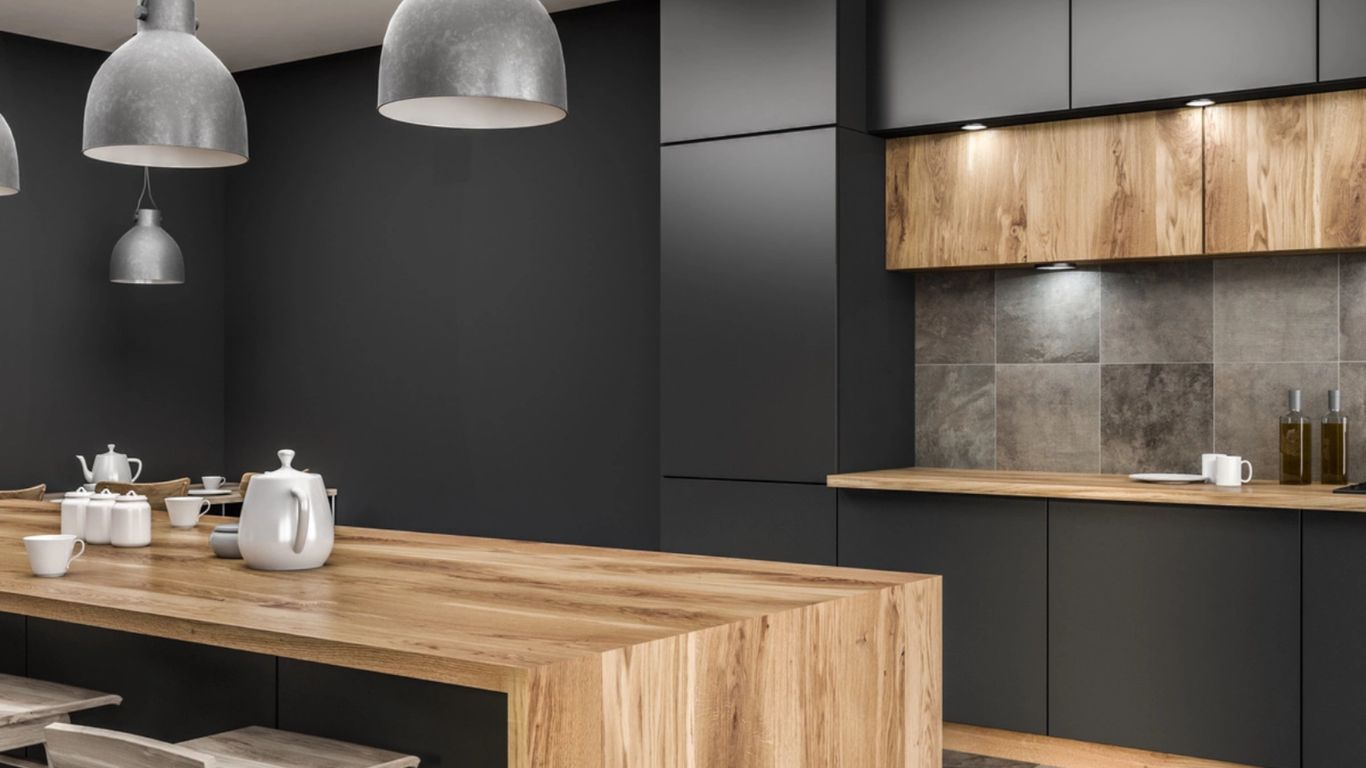
Embarking on a cabinet project, whether it’s a full refresh or a targeted update, involves several key stages to ensure a successful outcome. It’s more than just slapping on some paint; it’s a process that requires planning and attention to detail. The goal is to transform your kitchen’s look and feel without the massive expense and disruption of a complete remodel.
Here’s a general breakdown of what a cabinet project typically entails:
- Preparation is Key: This is arguably the most critical phase. It involves thoroughly cleaning the cabinets to remove grease and grime, followed by light sanding to create a surface the new paint can adhere to. Any necessary repairs, like filling small holes or fixing minor damage, are also done at this stage. Finally, surfaces not being painted are carefully masked off to protect them from dust and paint splatters.
- Priming: A good primer acts as a bridge between the old surface and the new paint, ensuring better adhesion and a more uniform color. For kitchens, especially areas prone to moisture, a specialized primer might be used.
- Painting: This is where the transformation really happens. Whether you’re using a brush, roller, or sprayer, applying thin, even coats is essential. Multiple coats are usually needed for full coverage and durability.
- Reassembly and Finishing Touches: Once the paint is completely dry, doors and drawers are reattached, and new hardware can be installed if desired. A final inspection ensures everything looks just right.
Think of your cabinet project as a journey. It starts with a vision for your kitchen and ends with a beautiful, updated space. While the DIY route is possible, many homeowners opt for professional services to guarantee a factory-smooth finish and long-lasting results. This often involves specialized equipment and techniques that are hard to replicate at home. For instance, professional painters can achieve a factory-grade finish that stands up to daily wear and tear.
The success of any cabinet project hinges on meticulous preparation and the right application techniques. Skipping steps here can lead to premature wear and a less-than-ideal appearance down the line. It’s about creating a durable, beautiful surface that enhances your kitchen’s overall appeal for years to come.
When planning your project, consider the timeline. While a DIY paint job might take a couple of weekends, professional services can often complete the transformation more efficiently, minimizing the time your kitchen is out of commission. The cost can also vary significantly, but painting is consistently highlighted as a more cost-effective option compared to full cabinet replacement.
9. Color Painting
Choosing the right color for your kitchen cabinets is a pretty big deal, honestly. It’s not just about making things look pretty; the color you pick can totally change how your whole kitchen feels. Think about it – cabinets take up a lot of space, so their color really sets the mood for the room.
The color choice affects how spacious your kitchen feels, how easy it is to keep clean, and even how buyers perceive your home’s value. Getting it right means you might not have to think about repainting for a decade or more.
When you’re thinking about colors, there are a few popular routes people go:
- Timeless Neutrals: Think whites, off-whites, warm grays, and greiges. These are super versatile and tend to appeal to a lot of people, which is great if you ever plan to sell. White, in particular, is a classic for a reason – it makes spaces feel brighter and cleaner.
- Bold Statements: Don’t shy away from darker, richer colors like navy blue, charcoal, or even deep greens. These can add a lot of personality and sophistication to your kitchen. They can also be surprisingly good at hiding minor smudges and fingerprints.
- Earthy Tones: Shades of sage green or muted blues can bring a natural, calming vibe into your kitchen. These are great for creating a cozy atmosphere.
The best color to paint kitchen cabinets can completely transform how your kitchen looks and feels — without a full renovation. Since cabinets cover more wall space than almost any other element in the room, the color you choose sets the tone for everything else.
When you’re picking out colors, it’s a good idea to consider how the light in your kitchen changes throughout the day. A color that looks great in the morning might seem totally different in the evening. It’s also smart to think about your existing finishes, like your countertops and flooring. Do you have white quartz with gray veining? A cool gray or crisp white cabinet would probably look great. If your granite has warmer tones, you might lean towards creams or taupes. Hardware is another thing to consider; brass or gold hardware looks amazing against navy, while black or silver pairs well with whites and grays.
If you’re aiming for a brighter, more open feel, especially in a smaller kitchen, sticking to lighter, more reflective colors is usually the way to go. It’s like a little trick to make the space feel bigger. For a more dramatic look, darker colors can work, but you might want to pair them with good lighting. Exploring different kitchen cabinet paint color ideas can really help spark inspiration.
Ultimately, the color you choose should be something you love looking at every day. It’s your kitchen, after all!
10. Commercial House Painters
When you think about painting your house, you probably picture the walls inside or the siding outside. But what about the bigger picture? For businesses, apartment buildings, or even HOAs, keeping the exterior looking sharp is super important. That’s where commercial house painters come in.
These aren’t your average painters. They’re equipped to handle larger-scale projects, often working with different materials and needing to be extra efficient to minimize disruption. Think about an office building or a block of condos – you can’t just shut everything down for a week. Commercial painters understand this and have processes to get the job done quickly and cleanly.
They focus on durability and protection, using industrial-grade coatings that can stand up to weather and heavy use. This means your building not only looks good but is also better protected against the elements, which can save you money on repairs down the line.
Here’s a quick look at what commercial painting often involves:
- Surface Preparation: Just like with residential painting, proper prep is key. This includes cleaning, scraping, sanding, and priming to make sure the new paint adheres well and lasts.
- Application Methods: Commercial jobs often use sprayers for faster, more uniform coverage on large surfaces.
- Material Knowledge: Understanding how to paint different commercial materials like stucco, metal siding, or brick is crucial.
- Safety Compliance: Commercial painters adhere to strict safety regulations, especially when working at heights.
While the focus here is on the exterior of commercial buildings, these professionals can also handle interior painting for businesses, ensuring a consistent look and feel throughout the property. If you’re managing a property, keeping up with its appearance is part of maintaining its value. A fresh coat of paint from a professional commercial painter can make a huge difference. For businesses looking for expert cabinet painting services, these same companies often have teams that specialize in that too, offering a full range of painting solutions.
Looking for pros to paint your house? Our team of commercial house painters is ready to transform your property. We offer top-notch painting services that make your building look its best. Get a free quote today by visiting our website!
Ready for a Kitchen Refresh?
So, you’ve learned a lot about giving your kitchen cabinets a new lease on life with a fresh coat of paint. It’s a fantastic way to update your space without spending a fortune on a whole remodel. Whether you decide to tackle it yourself or bring in the pros, the result is a kitchen that feels brand new. Think about the colors, the finish, and how much you’ll enjoy the updated look every day. It’s a worthwhile project that really makes a difference.
Frequently Asked Questions
How much does it usually cost to paint kitchen cabinets?
The cost can change depending on the size of your kitchen and the condition of your cabinets. For a typical 10×12 foot kitchen, painting might cost around $200 and take about two weekends to complete. However, getting a professional quote is the best way to know for sure.
What’s the best type of paint to use on kitchen cabinets?
For cabinets, you generally want a durable paint that can handle daily use. Latex paints are popular because they dry fast and are easy to clean up with water. Oil-based paints create a harder, smoother finish but need special cleaners. Many pros use special water-based paints that act like oil-based ones, offering toughness with easier cleanup.
Can I paint my kitchen cabinets myself, or should I hire someone?
You can definitely paint them yourself if you’re up for the challenge! But, it’s not as simple as painting walls. It requires careful prep work, the right tools, and specific painting techniques to get a smooth, lasting finish. Hiring a professional painter ensures you get a factory-like look without the hassle.
What’s more important: the paint color or the paint finish?
Both are super important! The color sets the whole mood for your kitchen. The finish, like satin or semi-gloss, affects how the cabinets look and how easy they are to clean. Semi-gloss is great for high-traffic kitchens because it’s easy to wipe down and holds up well against grease and steam.
How do I prepare my kitchen cabinets before painting?
Preparation is key! You’ll need to clean them really well to get rid of grease, then lightly sand them to create a surface the new paint can stick to. After that, you’ll need to prime them, especially if they’re in a damp area. Covering surrounding areas with tape and plastic is also a must to protect your kitchen.
What colors make a small kitchen look bigger?
To make a small kitchen feel more spacious, stick to light and bright colors. Think whites, light grays, or soft pastels. Using a paint finish with a bit of shine, like satin or semi-gloss, can also help reflect light and make the room feel more open.