
Understanding Sheen: What Is Eggshell Paint Finish?
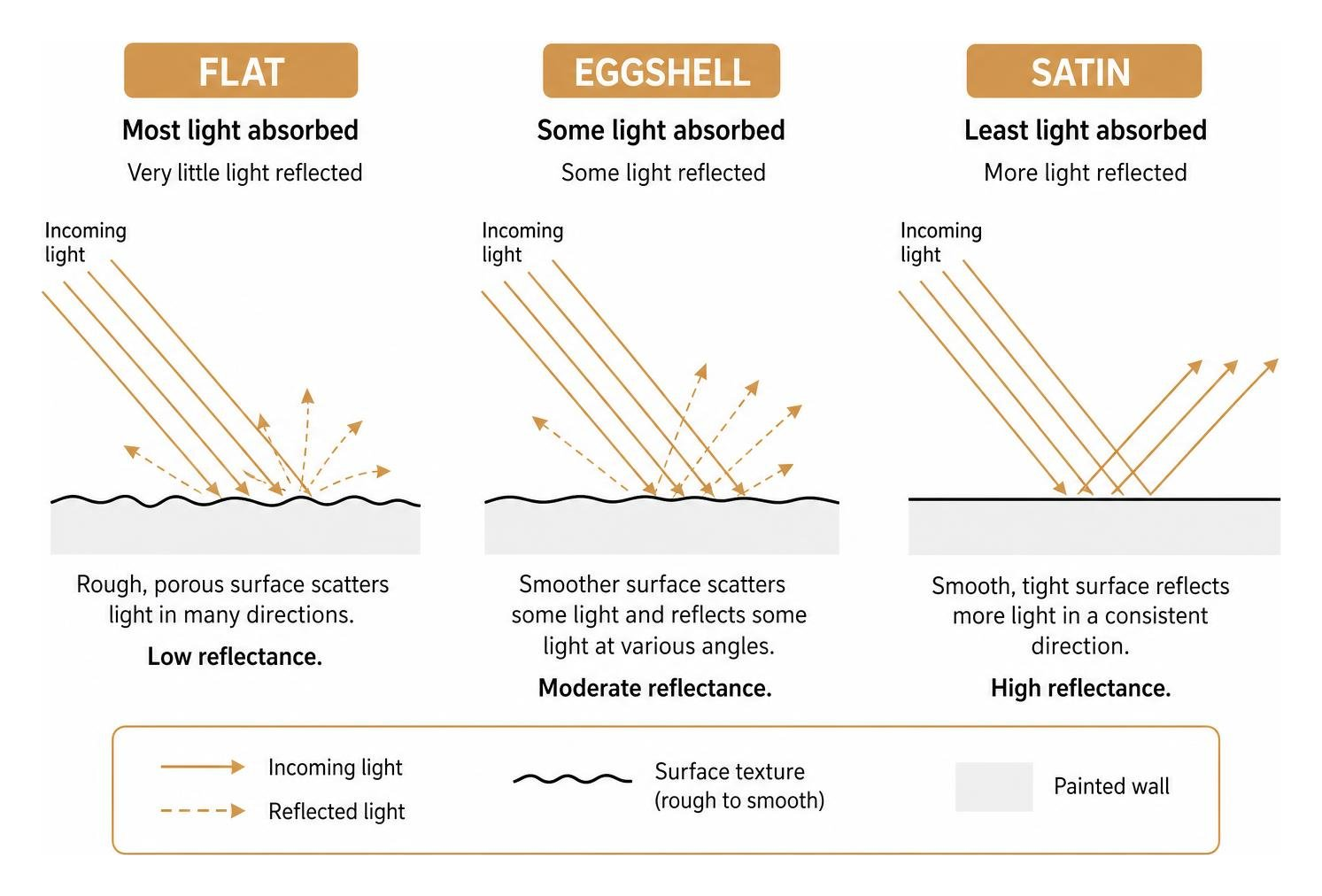
Eggshell paint takes its name from the soft, low-luster appearance of a chicken eggshell. It offers a smooth surface that sits comfortably between flat or matte finishes and higher-sheen options like satin or semi-gloss. When choosing an interior wall finish, understanding the sheen level helps set realistic expectations for both look and longevity.
In technical terms, paint sheen is measured in Gloss Units (GU) at specific viewing angles. Eggshell finishes typically fall between 10 and 25 Gloss Units at a 60-degree angle. This rating means the surface absorbs most direct light while reflecting just enough to create a soft glow without glare. To explore how this finish fits among other options, read our guide on paint sheens 101 the official guide to me right finish.
Sheen Spectrum Comparison
To visualize where eggshell sits within the full range of paint options, review this breakdown of standard interior finishes:
| Finish | Sheen Rating (GU @ 60°) | Visual Effect | Primary Ideal Use |
|---|---|---|---|
| Flat | Under 5 GU | Non-reflective, velvet-like | Ceilings, low-traffic areas |
| Matte | 5–10 GU | Almost flat, very subtle warm depth | Low-traffic living spaces, bedrooms |
| Eggshell | 10–25 GU | Soft, low-glow luster | Living rooms, bedrooms, hallways |
| Satin | 25–40 GU | Pearl-like sheen | High-traffic areas, laundry rooms |
| Semi-Gloss | 40–70 GU | Moderately shiny, slick finish | Baseboards, doors, trim, cabinets |
As shown above, eggshell paint on walls provides a useful balance. It softens harsh room lighting while remaining far easier to maintain than purely flat paints.
Durability and Light Reflection
The balance between durability and flaw coverage is central to sheen selection. Flat paints absorb light, effectively masking minor drywall dings, patches, and uneven textures. However, they scuff easily and can absorb moisture or oils. Higher-sheen paints resist moisture and scrub clean easily, but their reflective surfaces highlight surface flaws under natural light.
Eggshell strikes a functional compromise. It offers enhanced scuff resistance and washability while retaining a low enough profile to keep minor drywall imperfections hidden. For a deeper look at managing surface imperfections, check out our advice on low-sheen interior paint the secret to hiding wall imperfections.
Pros and Cons of Eggshell Paint on Walls
Choosing eggshell paint on walls comes with clear advantages alongside a few key trade-offs. Evaluating these factors helps determine if it is the right finish for your home.
Major Benefits and Advantages
- Simple Cleaning and Washability: Unlike flat finishes, eggshell creates a closed paint film. Dust, scuffs, and fingerprints can usually be removed using a damp microfiber cloth and mild soap.
- Enhanced Color Depth: The slight luster allows light to interact with paint pigments, bringing out undertones in rich neutrals, muted greens, and soft grays.
- Long Lifespan: With proper care, an eggshell finish can last ten years or more without looking dull or faded.
- Low-VOC Formulations: Quality interior eggshell paints are available in zero- or low-VOC (< 50 g/L) formulas, ensuring healthier indoor air quality for your home.
For ideas on choosing shades for your main spaces, see our guide on the best paint sheen for living room walls from flat to fabulous.
Potential Limitations and Drawbacks
- Shows Surface Defects Under Raking Light: Direct sunlight coming across a long wall can reveal uneven drywall seams or heavy roller textures.
- Requires Precise Application: Uneven rolling or letting edges dry prematurely can cause “flashing,” where sheen levels appear inconsistent across the wall.
- Touch-Ups Can Be Visible: Spot-painting cured eggshell walls can leave visible patches where the new sheen does not blend seamlessly with the older layer.
- Not Suitable for High-Moisture Areas: In bathrooms without active ventilation or behind kitchen sinks, persistent moisture can weaken the finish over time.
Room-by-Room Guide: Where to Use Eggshell Paint

Understanding room usage and lighting conditions makes selecting the right space for an eggshell finish straightforward.
Ideal Room Applications for Eggshell Paint on Walls
- Living Rooms and Family Rooms: Provides a calm look with enough washability to handle everyday family life.
- Primary and Guest Bedrooms: Delivers an inviting atmosphere while remaining easy to wipe down near headboards and nightstands.
- Hallways and Entryways: Disguises minor scuffs from coat hooks, shoes, or bags better than flat paint.
- Dining Rooms: Adds warmth under chandelier light while protecting against minor food splatters.
- Home Offices: Cuts down on harsh light reflection during video calls while keeping walls looking crisp.
If you are planning a full home design update, explore our advice on the ultimate guide to the best paint combination for house interiors.
Surfaces to Avoid
While versatile, eggshell is not recommended for every surface:
- Small, Steam-Heavy Bathrooms: High humidity can cause water spot stains; satin or semi-gloss finishes offer better moisture protection.
- Doors, Window Trim, and Baseboards: High-contact architectural woodwork benefits from the higher abrasion resistance of semi-gloss or gloss finishes.
- Kitchen Cabinets: Cabinets require hard-wearing, scrubbable coatings engineered specifically for frequent contact and cleaning.
How to Apply and Maintain Eggshell Finishes
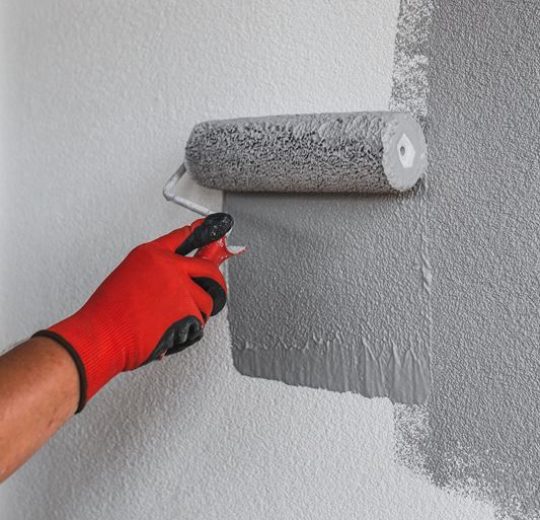
Achieving a uniform, streak-free surface with eggshell paint on walls requires careful prep and proper rolling technique.
Step-by-Step Guide to Applying Eggshell Paint on Walls
- Surface Cleaning: Wash walls with a non-soapy cleaner or mild detergent to remove dust and oils, then rinse and allow to dry completely.
- Patch and Sand: Fill nail holes with lightweight spackle. Once dry, sand smooth using 220-grit sandpaper to keep the patch level with the surrounding drywall.
- Spot Prime Patches: Apply a dedicated stain-blocking or acrylic primer over all spackled spots to prevent uneven absorption or sheen flashing.
- Sand Glossy Surfaces: Lightly scuff-sand any pre-existing high-gloss finishes to establish a mechanical bond for the new coat.
- Roll with Precision: Use a 3/8-inch nap synthetic or microfiber roller for smooth drywall. Maintain a wet edge by cutting in sections and rolling directly into the wet border within 10 minutes.
- Apply Two Full Coats: Allow 2 to 4 hours of dry time between coats depending on humidity and product specifications.
For additional insight into surface preparation, read our overview of interior low sheen paint your guide to the best low gloss wall finishes or consider working with our team for professional wall painting.
Cleaning, Maintenance, and Touch-Up Secrets
To keep eggshell walls looking clean without damaging the sheen:
- Wait Before Cleaning: Allow the paint to fully cure for 30 days before using water or mild detergents on the surface.
- Use Soft Materials: Clean scuffs using a warm, damp microfiber cloth. Avoid abrasive sponges, which can strip the light sheen and leave smooth, shiny spots called “burnishing.”
- Feather Touch-Ups: When filling minor scuffs later, use paint from the original batch. Apply it with a small roller, dampening the edges outward to blend the new paint into the existing finish.
Essential Tools for Eggshell Wall Maintenance
- Soft microfiber cleaning cloths
- Mild liquid dish soap mixed with warm water
- 220-grit fine sandpaper for spot smoothing
- Quality 3/8-inch microfiber roller cover
- Original touch-up paint stored in a sealed container between 60°F and 80°F
Frequently Asked Questions About Eggshell Wall Finishes
Can eggshell paint be used on ceilings, trim, or furniture?
While eggshell can be applied to ceilings, flat paint is generally preferred to eliminate light glare across large, unbroken overhead surfaces. For window trim, baseboards, and furniture, satin or semi-gloss finishes provide greater scuff and impact resistance.
Is eggshell paint more durable than flat or matte paint?
Yes. Eggshell forms a tighter binder film than flat paint, making it substantially more resistant to moisture, rubbing, and everyday wear. While flat paint can look worn after a few years in busy areas, eggshell finishes easily last a decade with basic maintenance. You can learn more in our detailed look beyond flat unpacking the pros and cons of matte paint.
How long does eggshell paint take to cure before washing?
Most latex eggshell paints dry to the touch within 1 hour and can be recoated in 2 to 4 hours. However, full chemical curing takes roughly 30 days. Avoid scrubbing or using liquid cleaners on the walls during this initial curing window.
Conclusion
Choosing eggshell paint on walls provides an attractive balance of soft luster, washability, and depth for your home’s main living spaces. When paired with thorough surface preparation and uniform application techniques, an eggshell finish transforms bedrooms, hallways, and living rooms into clean, inviting areas built to handle everyday life.
At T&Z Interior And Exterior Painting, we bring over 15 years of hands-on expertise to every project. As a licensed and insured team holding a 5.0 Google Reviews rating, we take pride in clean work, careful surface preparation, and lasting results for homeowners throughout Lombard, Itasca, Addison, Glen Ellyn, Oak Brook, and surrounding communities.
If you are ready to update your living space with a durable, professionally applied finish, contact our team today to discuss your project and schedule a consultation for our interior painting services.