
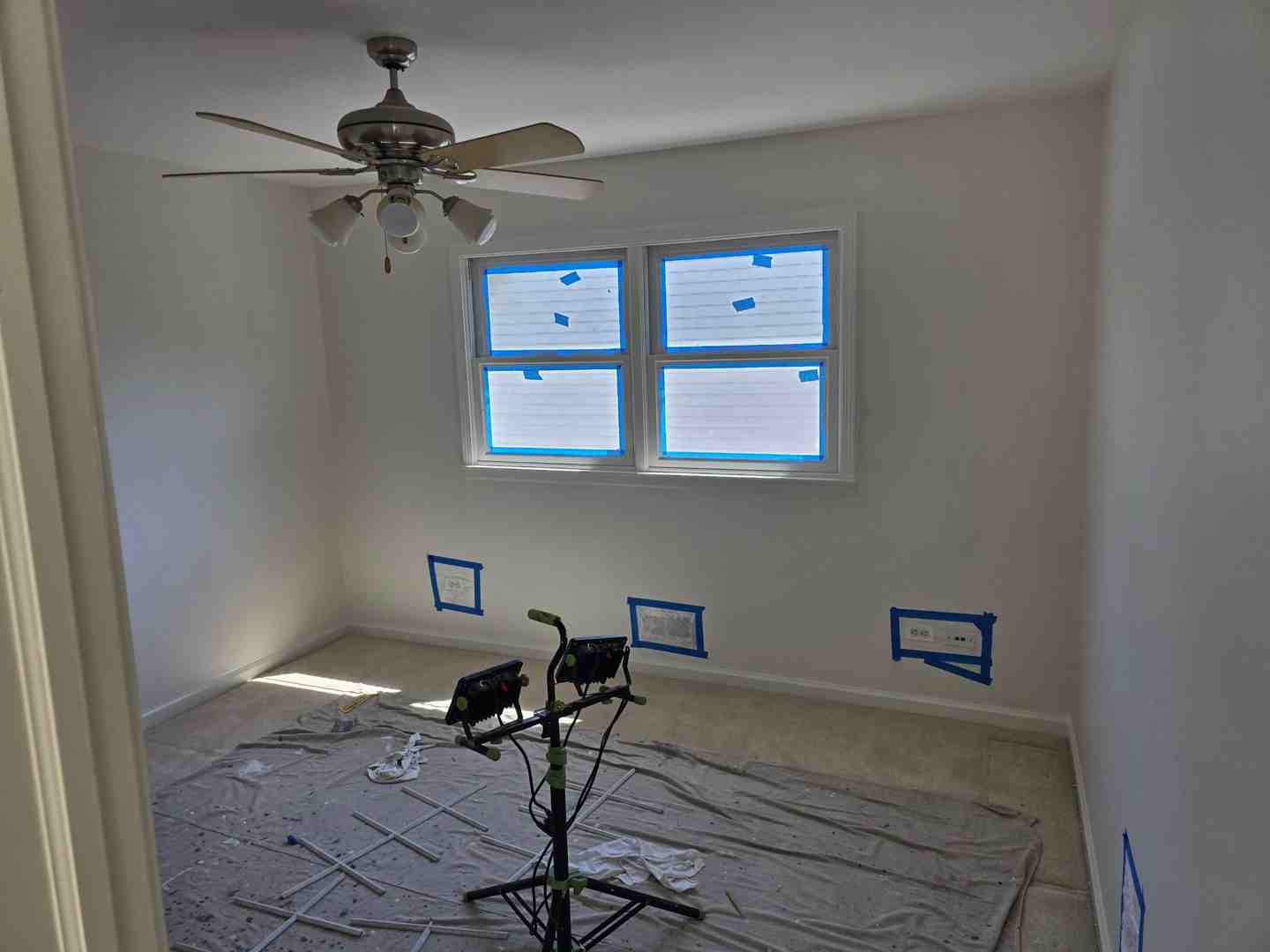
Why Flat Paint for Small Ceilings Is the Top Choice for Low Overhead Spaces
When you step into a room with low or compact ceilings, the overhead surface plays an oversized role in how comfortable the space feels. Ceilings with standard seven- or eight-foot clearances sit closer to eye level and catch both natural window light and artificial light fixtures at shallow angles. This lighting geometry makes surface flaws stand out dramatically under shiny finishes.
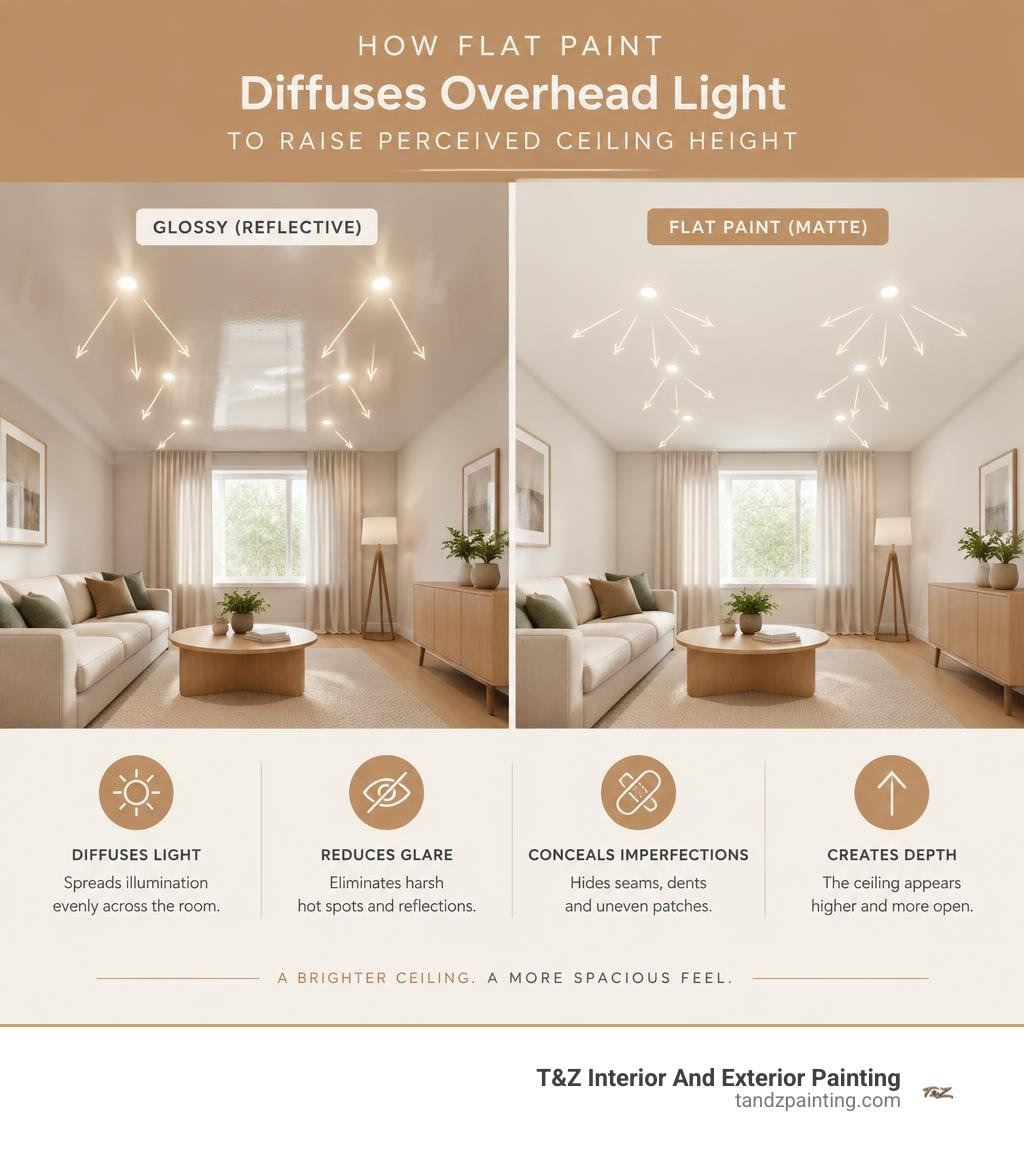
Flat paint provides a non-reflective, matte surface that absorbs and diffuses light uniformly across the ceiling. Rather than bouncing harsh glare directly back into your eyes, flat finishes distribute illumination softly across the entire room. This diffuse reflection eliminates stark hot spots from recessed cans and flush-mount fixtures, blurring the hard visual boundaries that tell your brain a ceiling is low.
A primary advantage of a flat finish is its ability to conceal common surface imperfections. Low overhead planes often feature noticeable drywall seams, fastener indents, minor settling cracks, and uneven plaster patches. Because flat paint has essentially zero specular gloss, it casts no highlights or shadows along joint lines.
When you explore demystifying paint finishes: how to choose the right sheen for every room, you will find that flat coatings create an illusion of visual depth. By removing surface glare, the flat plane recedes visually, opening up cozy living rooms, home offices, and basements.
Comparing Sheens: When to Choose Flat vs. Gloss Finishes
Selecting the correct sheen level requires balancing light distribution, surface condition, and the architectural character of your room. While flat paint remains the standard for low ceilings, higher-sheen alternatives serve specific visual functions when conditions allow.
| Sheen Level | Light Reflection Behavior | Surface Flaw Visibility | Ideal Small Ceiling Scenarios |
|---|---|---|---|
| Flat / Dead Flat | Diffuse, non-directional scatter | Completely hides seams and patches | Standard 7–8 ft ceilings, imperfect drywall, textured planes |
| Eggshell / Satin | Soft, subtle luster | Moderately highlights seams and bumps | Moderate-traffic areas needing mild wipeability |
| Semi-Gloss / High-Gloss | Direct, mirror-like reflection | Strongly amplifies flaws and lap marks | Perfectly smooth architectural features or custom lacquered designs |
High-gloss finishes reflect ambient and window light like a calm body of water, providing a dramatic, reflective look in tiny spaces. However, high-gloss finishes demand a flawless, Level 5 drywall surface. Any ridge, tape line, or pinhole becomes glaringly visible under a glossy sheen. For the vast majority of residential homes, flat paint delivers a smooth, consistent appearance without revealing underlying plaster or drywall imperfections. For a deeper breakdown of sheen performance across interior spaces, consult our paint sheens 101: the official guide to choosing the right finish.
When to Avoid Flat Paint on Ceilings
While flat paint excels across standard living areas, bedrooms, and hallways, certain environments require specialized coatings:
- High-Humidity Bathrooms: Standard flat ceiling paints are prone to moisture absorption in tight, poorly ventilated bathrooms. Steam from daily showers can cause surfactant leaching, water stains, and premature peeling.
- Direct Splash Zones: Powder rooms or utility spaces subject to direct water exposure require a specialty kitchen and bath paint, or a satin finish with built-in antimicrobial agents.
- Scrubbing Requirements: Flat paint has low scrub resistance. Rubbing flat paint with a damp cloth or abrasive sponge can cause burnishing—leaving a permanent, shiny spot on the matte surface.

For standard living spaces, bedrooms, dining areas, and finished basements throughout Lombard and neighboring communities, flat paint remains the premier option to eliminate visual clutter overhead.
Optical Design Strategies to Visually Raise Low Ceilings
Transforming a compact room involves combining the right paint sheen with strategic color selection and thoughtful lighting. Light Reflectance Value (LRV) measures the percentage of light a paint color reflects on a scale from 0 (absorbing all light) to 100 (reflecting pure light).
For low overhead surfaces, choosing a flat paint with an LRV of 80 or higher ensures that ambient daylight bounces efficiently around the room. Formulas enriched with concentrated titanium dioxide pigments provide outstanding hiding power while creating an airy, open feeling. For additional spatial inspiration, explore low ceiling paint solutions.
The Wall-to-Ceiling Extension Trick with Flat Paint for Small Ceilings
A proven technique for making small rooms feel taller is the wall-to-ceiling extension strategy, also known as a color wrap. In standard rooms, a sharp contrast between wall color and a bright white ceiling creates a distinct horizontal line that defines the ceiling height.
By bringing the wall paint 4 to 6 inches inward onto the ceiling perimeter, you shift the visual transition upward. Alternatively, color-drenching the entire space by using the exact same light shade on both walls and ceiling erases the perimeter boundaries entirely. Discover more design nuances in our guide on painting ceilings the same color as walls.
Camouflaging Beams, Ductwork, and Architectural Imperfections
Low overhead spaces in finished basements and historic homes often feature structural beams, HVAC soffits, and textured drywall. Leaving these elements in contrasting colors draws attention directly to low-hanging obstacles.
- Ductwork and Soffits: Coat low-hanging bulkheads and mechanical chases in the same flat ceiling paint as the surrounding surface. The non-reflective finish softens hard geometric edges, helping ductwork blend into the background.
- Textured and Popcorn Ceilings: Textured surfaces create hundreds of tiny shadows when hit by light. Applying a premium flat acrylic paint prevents these textures from glistening, creating a calm, uniform plane.
- Exposed Joists: Painting exposed basement ceilings in a uniform flat white or deep charcoal conceals wiring and piping, giving lower structural elements a clean, intentional look.
Best Application Practices for Flat Paint on Small Ceilings
Achieving a clean, streak-free flat finish on a low ceiling requires structured preparation and reliable application methods.
Preparation and Priming Sequence
- Surface Inspection and Cleaning: Remove cobwebs, dust, and kitchen grease using a dry microfiber pad or a mild cleaning solution. Ensure the surface dries completely.
- Drywall Repair: Fill hairline fractures, nail pops, and gouges with lightweight spackle or joint compound. Feather the patch edges smoothly with 120- to 150-grit sandpaper once dry.
- Spot Priming: Seal repaired patches with a dedicated interior primer. Sealing joint compound prevents uneven absorption that can cause flashing under overhead lighting.
- Perimeter Masking: Mask the upper wall perimeter with professional painter’s tape to maintain clean lines along your crown molding or wall intersections.
Perfecting Roller Technique with Flat Paint Small Ceilings
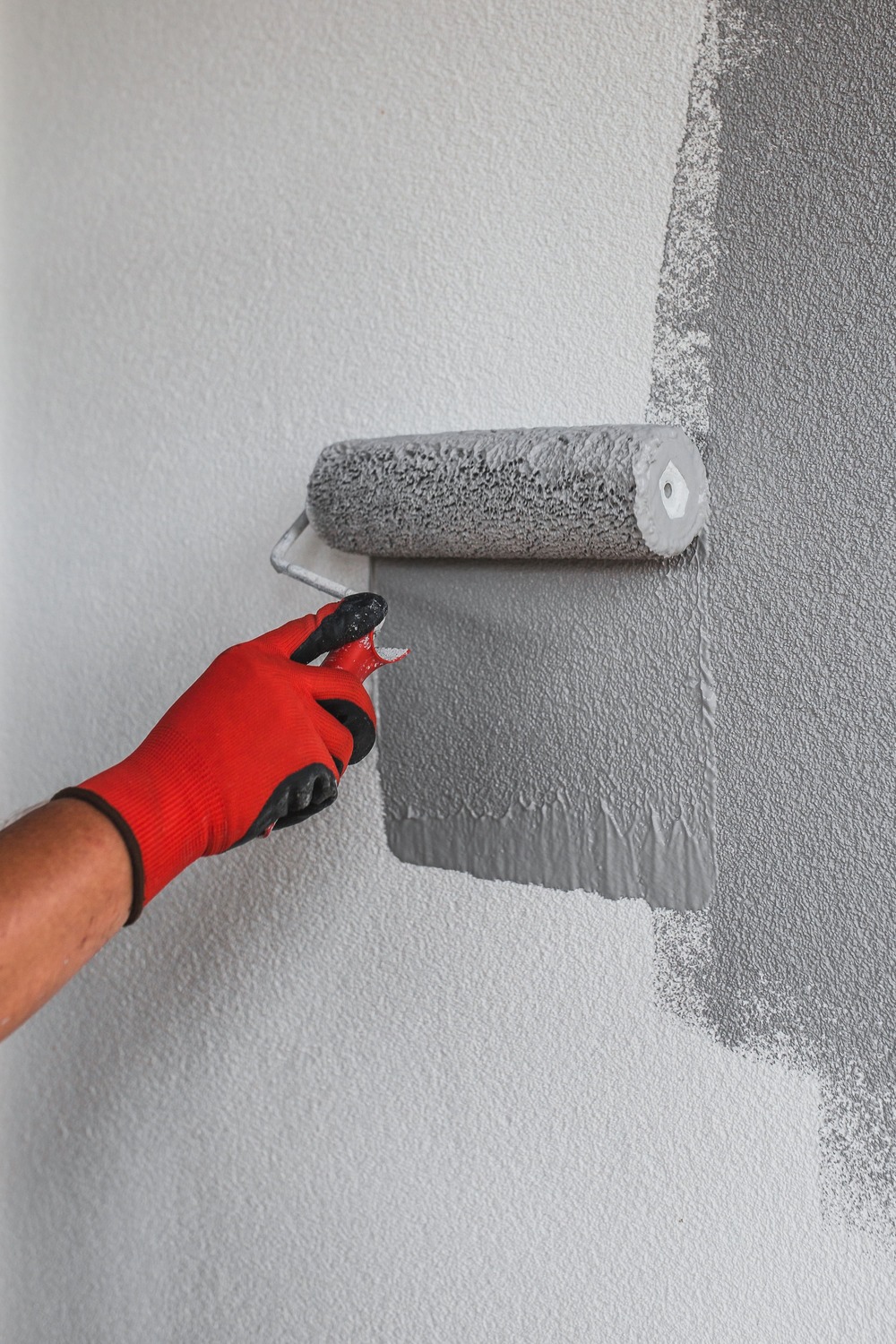
To avoid lap lines and uneven sheen, maintain a wet edge throughout application. Using a high-grade product such as 1 gal. Flat Bright White Ceiling Paint and Primer in One ensures solid coverage and consistent opacity across the ceiling.
- Roller Sleeve Selection: Use a 3/8-inch to 1/2-inch nap synthetic roller sleeve for smooth drywall. For light acoustic textures, a 1/2-inch to 3/4-inch nap ensures full coverage in crevices without spatter.
- Rolling Pattern: Roll paint across the shorter dimension of the room in steady, overlapping “W” or “M” patterns, smoothing backward into the wet edge.
- Maintain Consistent Pressure: Avoid pressing heavily on the roller frame, which can leave raised paint ridges. Let the paint-loaded roller do the work.
Material Estimation, Coverage Rates, and Budgeting
Accurate material planning ensures uninterrupted workflow:
- Coverage Rate: High-quality flat acrylic ceiling paints cover approximately 12 square meters per liter (roughly 350 to 400 square feet per gallon), depending on surface porosity and texture.
- Drying and Recoating: Premium water-based flat formulations dry to the touch within 30 minutes under normal humidity conditions and allow recoating after 2 hours.
- Environmental Quality: Look for low-VOC formulations (under 50 g/L) to maintain healthy indoor air quality in occupied homes.
- Essential Tools: 9-inch roller frame, extension pole, high-density roller covers, angled sash brush, sturdy tray, and canvas drop cloths.
To learn more about professional standards for complete room transformations, explore our comprehensive wall and ceiling painting services.
Frequently Asked Questions About Painting Low Ceilings
Does flat paint make a small ceiling feel higher or lower?
Flat paint visually raises small ceilings. By eliminating glare and specular reflection, a flat finish prevents the eye from fixating on the exact physical boundary overhead, making the ceiling feel open and expansive.
What Light Reflectance Value (LRV) is best for small ceilings?
An LRV of 80 or higher is ideal for small, low ceilings. Ultra-white flat paints with high titanium dioxide concentrations maximize the distribution of both natural and artificial light without creating distracting surface highlights.
Can flat ceiling paint be cleaned without damaging the finish?
Flat paint should be cleaned gently using non-abrasive methods. Remove dust with a dry microfiber duster or a soft brush vacuum attachment. For light smudges, dab gently with a slightly damp microfiber cloth; avoid vigorous scrubbing, which can burnish the matte finish.
Conclusion
Transforming a compact room with low ceilings comes down to balancing proper light diffusion, quality materials, and clean application. Flat paint remains the gold standard for low overhead spaces because it conceals drywall flaws, eliminates distracting glare, and provides a smooth, expansive appearance.
At T&Z Interior And Exterior Painting, our licensed and insured team brings over 15 years of experience, a 5.0 Google Reviews rating, and dedicated craftsmanship to every residential and commercial project. Whether you need drywall repair, texture smoothing, or expert interior painting, we serve homeowners across Lombard, Itasca, Addison, Glen Ellyn, Oak Brook, and surrounding communities.
Ready to elevate your home’s interior spaces? Explore practical solutions for small house painting challenges and contact our experienced team today for a tailored consultation.