
Can an Accent Wall Make a Room Look Bigger?
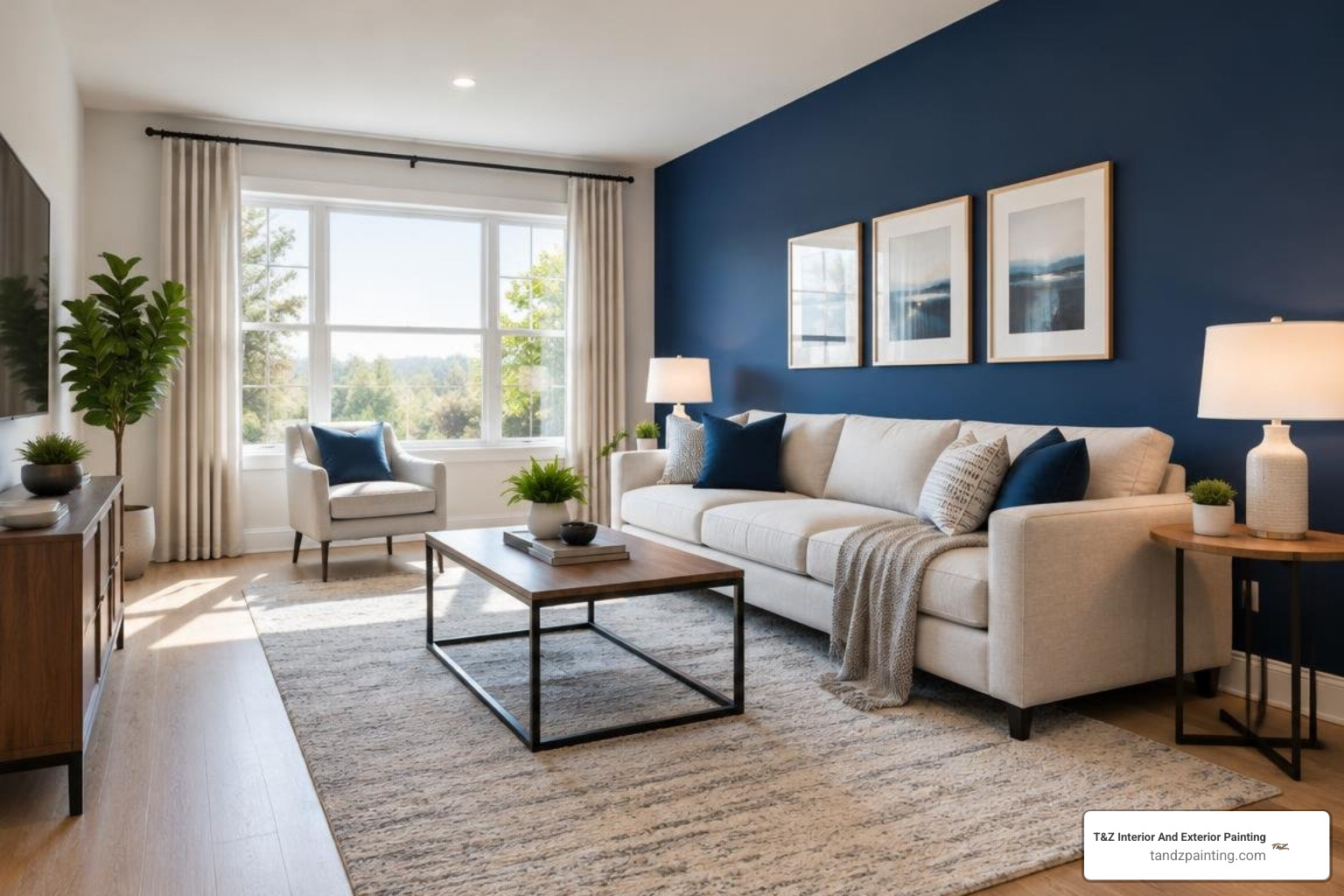
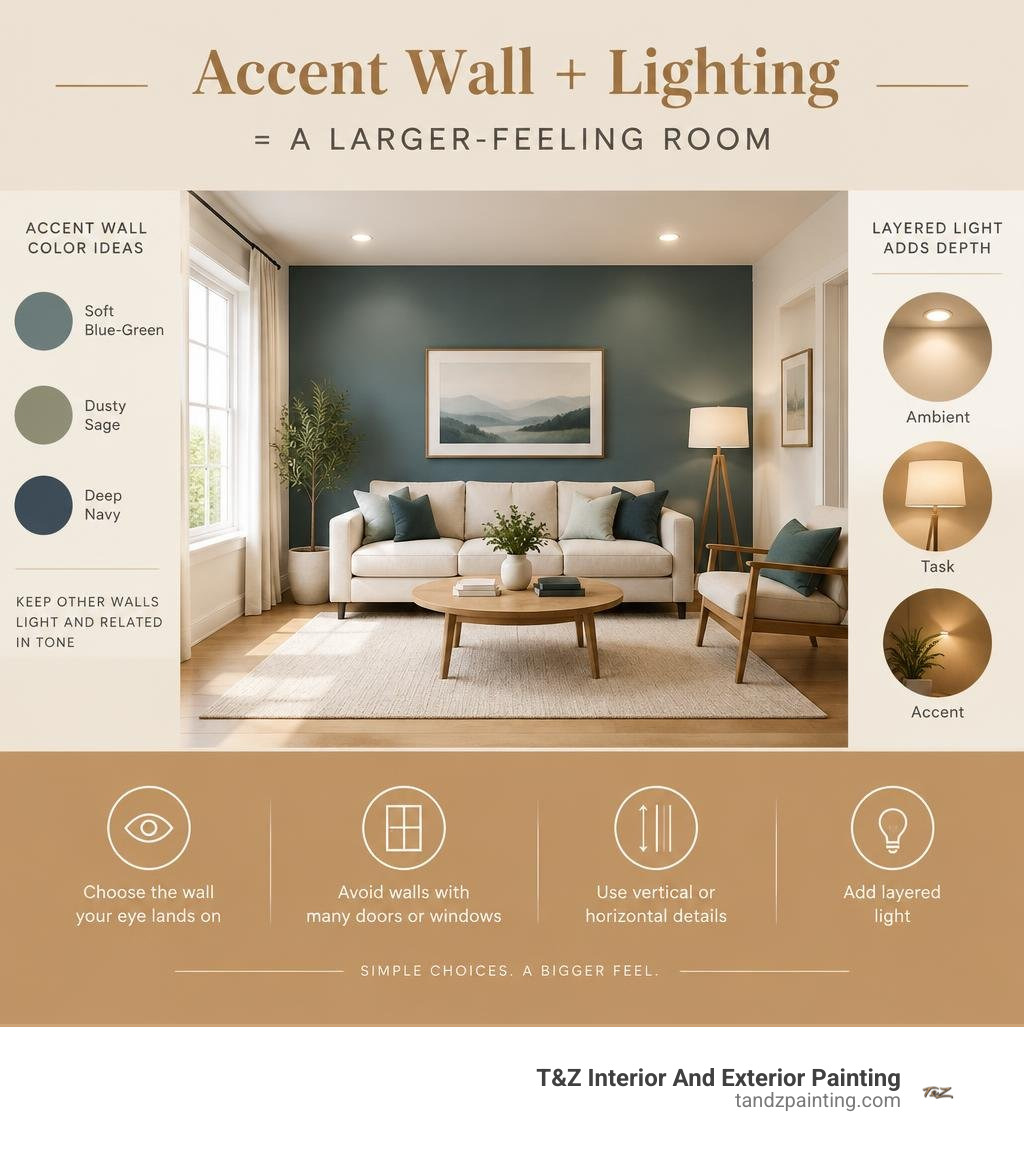
Yes, an accent wall can make a room feel bigger when it creates depth instead of visual clutter. Choose one long, uninterrupted focal wall – often the wall behind a bed, sofa, fireplace, or at the end of the main sightline. Use a muted cool color, such as soft blue-green, dusty sage, or deep navy, while keeping the other walls light and closely related in tone.
For the strongest result:
- Accent the wall your eye naturally lands on when you enter.
- Avoid a busy wall with several doors, windows, or uneven angles.
- Use vertical details to make low ceilings feel taller, or subtle horizontal designs to widen a narrow room.
- Add layered light so the accent color has depth rather than disappearing into shadow.
The effect is visual, not structural. A well-planned feature wall gives the eye a destination, stretches the perceived sightline, and can make wall boundaries feel less obvious. Color, finish, furniture scale, window light, and clear floor space all affect whether the room feels open or enclosed.
I am Tomasz Niemotko of T&Z Interior And Exterior Painting. With more than 15 years of experience painting homes in Lombard, Itasca, Addison, Glen Ellyn, Oak Brook, and surrounding towns, I have seen how the right prep, color placement, and finish can help an accent wall make room bigger in the ways homeowners actually notice.
Accent wall make room bigger terms to remember:
- colors to make a room look bigger and brighter
- painting ideas for small house
- small dining room colors
How Does an Accent Wall Make Room Bigger Spaces Feel More Expansive?
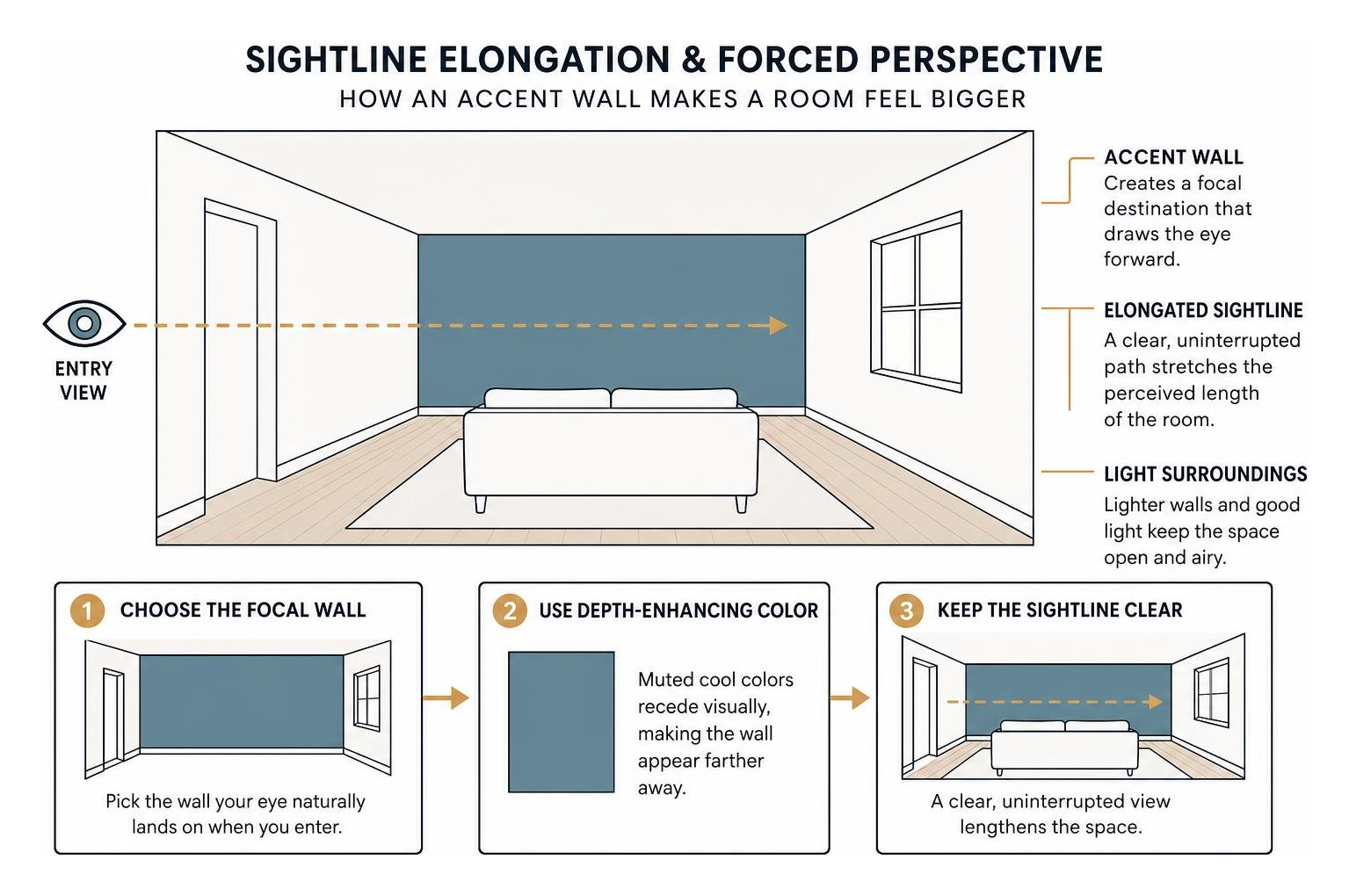
When homeowners ask us if a single painted surface can physically stretch their living areas, we explain that it all comes down to forced perspective and sightline elongation. Interior designers report that up to 70% of perceived space increase comes from visual tricks rather than actual square footage. Instead of letting the eye bounce around a cramped perimeter, a thoughtfully placed accent wall creates an optical anchor that draws the gaze forward, expanding the perceived peripheral boundary of the space.
By incorporating proven designer space-stretching techniques alongside expert accent wall design and feature painting, you can turn a flat, boxy layout into a room with rich dimensionality. The key is understanding how Light Reflectance Value (LRV) and color placement work together. Pairing a deeply saturated backdrop with surrounding surfaces that boast an LRV between 70 and 85 allows natural light to circulate freely while giving the eye a distinct sense of visual depth.
The Visual Psychology of Depth and Receding Surfaces
The human brain interprets cool undertones—such as slate blues, charcoal greens, and misty sages—as being farther away than warm tones like reds or oranges. This chromatic receding effect tricks the brain into perceiving the wall as pushing back into the distance.
When you anchor the horizon of a room with a cool-toned contrasting backdrop, the hard visual boundaries of the space soften. Instead of registering a solid barrier just ten feet away, your eyes perceive a receding surface that blurs structural corners, creating an open and airy atmosphere.
Strategic Wall Selection: Finding the Natural Focal Plane
Choosing the right wall is the most critical decision in this entire process. You want to pick an unbroken sightline—typically the primary wall you see immediately upon crossing the threshold.
- Ideal focal walls: The expansive wall directly behind a master bed headboard, the backdrop of a living room sofa, or an elegant fireplace surround.
- Walls to avoid: Chopped walls interrupted by multiple interior doors, heating vents, or awkward architectural cutouts that fragment sightlines.
Selecting an uninterrupted plane creates a continuous visual field that makes compact living spaces feel calm, organized, and considerably wider.
Choosing the Right Colors, Sheens, and Tones for Small Spaces
Color selection is far more nuanced than simply coating every surface in stark white. In fact, plain white walls can look flat or washed out in low-light settings. Achieving a spacious feel requires balancing color temperature, using desaturated or muted hues, and ensuring smooth, tone-on-tone transitions across adjacent walls.
When selecting brightening paint colors for compact spaces, consider how the wall will interact with both natural and artificial light. A harmonious color strategy grounds the perimeter while maintaining an open feel.
| Paint Sheen | Light Reflectance | Best Used For | Space Impact on Compact Rooms |
|---|---|---|---|
| Flat / Matte | 0% – 5% | Low-traffic ceilings & flawed surfaces | Absorbs light; can flatten small walls if too dark |
| Eggshell | 10% – 25% | Living rooms, bedrooms, main accent walls | Soft ambient bounce; adds subtle depth without glare |
| Satin | 25% – 35% | Hallways, trim, dynamic accent features | Reflects natural light; enhances color saturation |
| Semi-Gloss | 35% – 55% | Baseboards, doors, architectural woodwork | Crisp border lines; draws the eye vertically |
How Light and Dark Palettes Help an Accent Wall Make Room Bigger
Both light and dark palettes can visually enlarge a room when applied correctly. A deep navy or rich forest green on a far wall creates an illusion of infinite depth, acting almost like an outdoor night sky. Meanwhile, earthy tones like dusty sage provide a grounding effect that feels stable and expansive.
To make this dynamic work:
- Maintain high-LRV neutrals (soft warm grays, creamy off-whites) on the three adjacent walls.
- Avoid jarring contrast gaps by selecting trim colors that softly bridge the accent wall and surrounding surfaces.
- Consider subtle monochromatic color drenching on doors and surrounding millwork to eliminate visual stops that make a room feel closed in.
Selecting Sheens and Finishes to Reflect Ambient Light
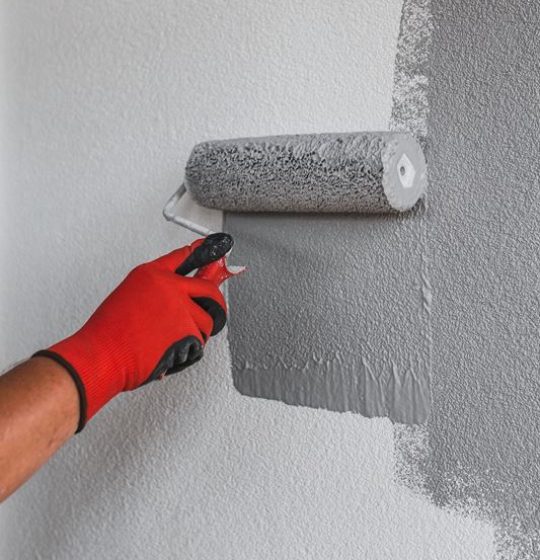
The finish you choose directly affects how light travels across your room. While matte paints are excellent for concealing drywall imperfections, they absorb light like a sponge, which can make a dark accent wall feel heavy.
For feature walls in compact areas, eggshell and satin sheens offer the ideal specular reflection. They bounce daylight throughout the room without creating harsh mirror-like glare, adding a vibrant luster that makes surfaces feel dynamic and open.
Painted Textures, Patterns, and Finishes That Stretch Compact Rooms
Painted patterns and subtle textural finishes add character while actively guiding how the eye moves through the room. By combining directional linear flow with soft micro-shadows, you can make standard eight-foot ceilings feel significantly taller or stretch a narrow room outward.
Our team often incorporates these effects when integrating decorative accent walls into compact spaces, elevating plain drywall into an architectural statement.
Stripes and Botanical Designs: Why Accent Wall Make Room Bigger Illusions Work
Directional painted patterns act like visual arrows:
- Vertical stripes: Draw the gaze toward the ceiling, creating an immediate sense of overhead clearance.
- Horizontal bands: Stretch narrow, boxy rooms outward to create an elongated horizontal axis.
- Large-scale motifs: Soft geometric layouts or forced-perspective botanical murals create visual depth without cluttering the floor plan.
Design research highlighted in One Wall Wallpaper Trick Makes Rooms Look Double the Size demonstrates how treating just one focal plane can make a 320-square-foot room feel twice its size. Painted alternatives offer this exact same visual benefit with the added durability and easy maintenance of premium coatings.
Textured Finishes and Dimension Without Visual Clutter
For homeowners who want depth without bold patterns, specialty finishes provide a sophisticated solution. Techniques like painted board-and-batten, faux grasscloth styling, or subtle decorative plastering create delicate micro-shadows that shift with the light throughout the day.
Before applying these specialty finishes, proper surface preparation is essential. Professional drywall repair and smoothing ensure that linear elements stay straight and crisp, preventing uneven shadows that could detract from the spacious effect.
Room-by-Room Guide: Living Rooms, Bedrooms, and Small Spaces
Every room presents unique architectural layouts, ceiling heights, and lighting conditions. Tailoring your accent wall approach to the specific function of each space helps you maximize its visual dimensions.
A great starting point for any layout is harmonizing ceiling and wall colors, ensuring your feature wall flows naturally with the rest of your home.
Expanding Compact Bedrooms and Living Rooms
In living areas and bedrooms, accent walls define functional zones while keeping the layout light and uncluttered:
- Living Rooms: Place the accent color behind your primary sofa or media wall to anchor the room’s main seating zone. Pair this with raised-leg furniture to keep sightlines clear across the floor.
- Bedrooms: Anchor the headboard with calming color palettes for small bedrooms. Muted mineral blues, soft teals, and smoky lavenders provide a tranquil backdrop that naturally pushes the rear wall backward.
Hallways, Bathrooms, and Awkward Layouts
Compact and narrow spaces benefit significantly from targeted accent placement:
- Powder Rooms: Transform small half-baths into jewel-box spaces with rich, immersive accent colors that blur perimeter corners.
- Long Hallways: Avoid painting the long side walls in deep tones; instead, paint the far end wall in a rich hue to visually shorten a tunnel-like feel while widening the corridor.
- Basement Living Spaces: Apply smart techniques for painting small basements to feel huge, using reflective sheens and bright contrasting accent tones to make lower-level rooms feel open and welcoming.
Critical Mistakes and Lighting Strategies to Avoid Shrinking Your Space
Even high-end designer paint can make a room feel smaller if placed on the wrong wall or under poor lighting. Avoiding common pitfalls ensures your new feature wall delivers the spacious, open look you want.
Common Pitfalls: High-Contrast Gaps, Wrong Walls, and Flat Matte
Several frequent missteps can unintentionally shrink a room:
- Accenting the Short Wall: In a narrow, rectangular room, darkening the short side pulls the ends inward, making the space feel more cramped.
- The Window Wall Trap: Painting the wall containing your primary window puts the accent color in constant shadow, creating high-contrast backlighting that tires the eyes.
- High-Contrast Trim Gaps: Stark white baseboards against a dark accent wall create a sharp boundary line that visually chops wall height. Painting trim to match the accent wall elongates vertical planes.
- Using Flat Matte on Deep Tones: Flat dark paint absorbs available light, creating a heavy look that encloses the space.
For more design pitfalls to keep in mind, review these common accent wall mistakes.
Layered Illumination and Color Temperature Optimization
Lighting makes or breaks your spatial illusion. A single overhead fixture casts harsh downward shadows into room corners, shrinking visual boundaries.
To maximize the expanding effect of your accent wall:
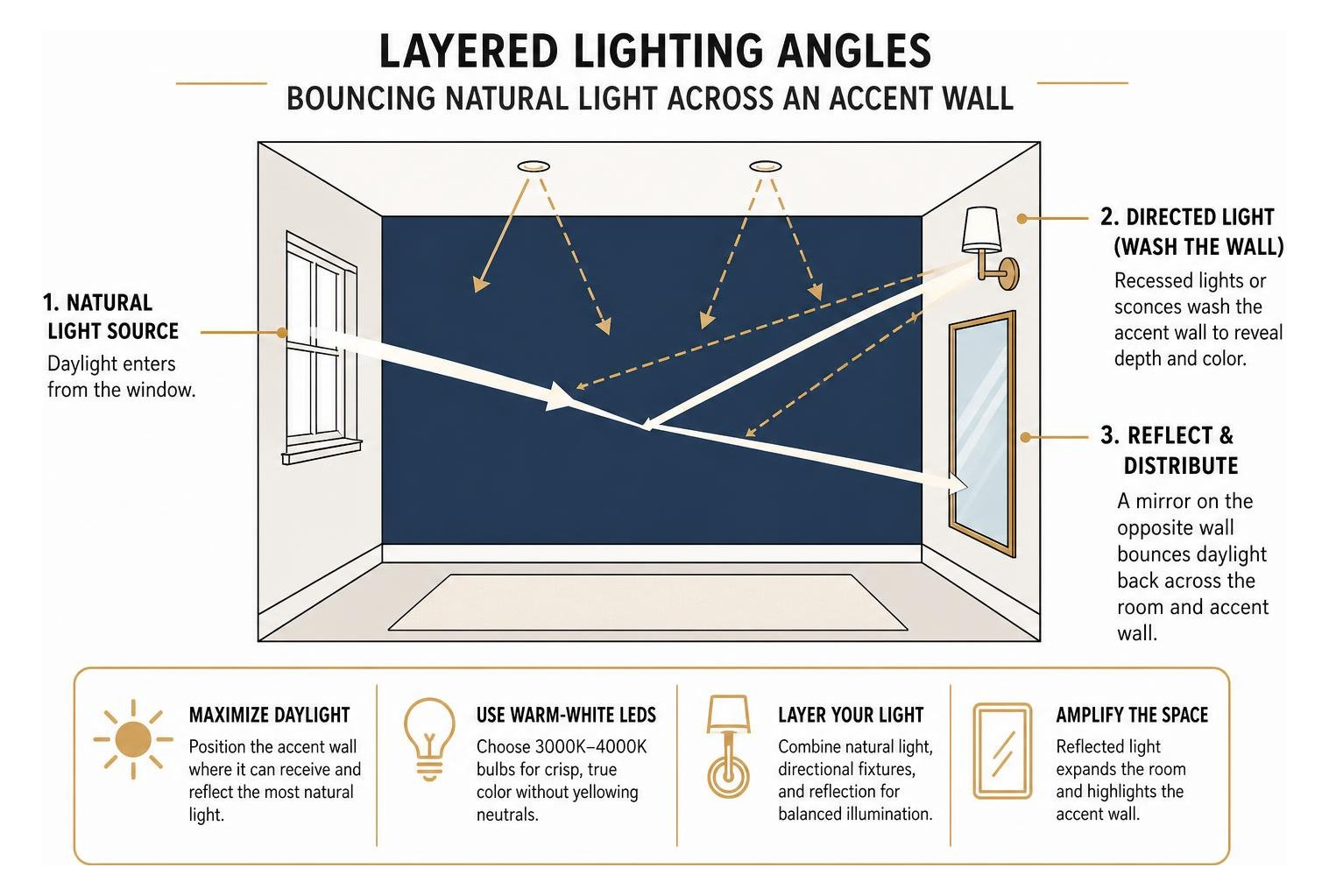
- Use warm-white LED bulbs in the 3000K to 4000K range to keep colors crisp and true without yellowing light neutrals.
- Install directional recessed fixtures or wall sconces to wash the accent wall with light, highlighting its texture and depth.
- Position a large wall mirror on an adjacent surface opposite the window. Light neutral walls and strategically placed mirrors can make a room feel substantially more spacious by reflecting natural daylight across your accent surface.
Frequently Asked Questions About Accent Walls in Small Rooms
Which wall should I choose for an accent wall to make a room look bigger?
Choose the longest unbroken wall in the room or the natural focal wall you see first when entering the doorway. In living rooms, this is typically the wall behind the main sofa or fireplace; in bedrooms, it is the wall behind the headboard. Avoid walls broken up by multiple doors, closets, or large windows.
Should my accent wall be lighter or darker than the other walls?
An accent wall can be either, but deeper, cool-toned hues (like navy, charcoal-green, or slate) excel at creating the illusion of depth by appearing to recede into the distance. If you opt for a darker accent wall, keep the remaining three walls light with a high Light Reflectance Value (LRV 70+) and ensure the room has balanced layered lighting.
Can a painted design on one wall create the illusion of more space?
Yes. Directional painted designs like vertical stripes draw the eye upward to make low ceilings feel higher, while wide horizontal bands visually broaden narrow rooms. Large-scale, flowing geometric designs or murals create forced perspective, adding a sense of dimension that solid flat colors cannot replicate alone.
Conclusion
Maximizing room dimensions with paint is all about visual balance. By selecting the right focal plane, utilizing cool, receding hues, choosing light-bouncing eggshell or satin finishes, and incorporating layered lighting, you can turn a compact area into a bright, open living space.
Achieving crisp lines, smooth drywall transitions, and lasting paint results requires precision craftsmanship. At T&Z Interior And Exterior Painting, we bring over 15 years of dedicated residential and commercial painting experience to every project. As a fully licensed and insured team with a 5.0 Google Reviews rating, we take pride in helping homeowners across Lombard, Itasca, Addison, Glen Ellyn, and Oak Brook elevate their interiors with flawless craftsmanship and reliable service.
Whether you are navigating small house painting challenges, refreshing your master suite, or adding a stylish modern accent wall to your living room, we are here to bring your vision to life. Contact our team today to schedule your interior color consultation and transform your home.