
Understanding Paint Sheens: What Is Eggshell Paint?
When selecting a paint finish for your home, understanding where eggshell fits into the sheen spectrum is essential. Paint finish is determined by the ratio of binders to pigments in the formula. Binders cure into a smooth, reflective film, while pigments provide color and absorb light.
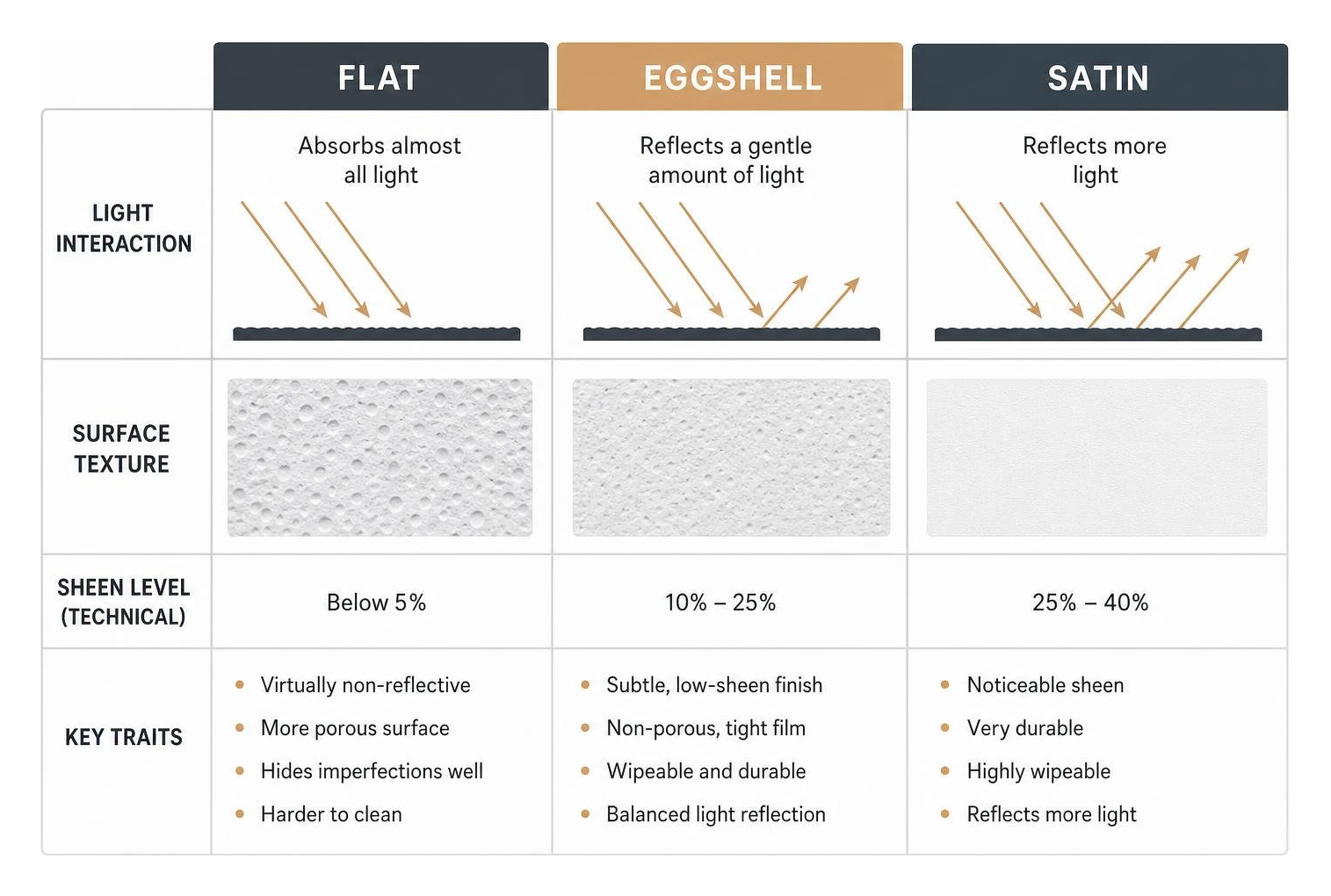
Eggshell paint gets its name from its uncanny visual similarity to the surface of a chicken egg—it features an understated, low-gloss finish with a very subtle sheen. On the technical scale, standard eggshell finishes typically exhibit a sheen level between 10% and 25%. This positions it directly between velvety flat/matte finishes and higher-luster finishes like satin.
For a deeper dive into how lusters function across your home, read our guide on Everything You Need to Know About Wall Paint Finishes.
Soft Light Reflection and Visual Warmth
One of the primary reasons homeowners choose eggshell paint for living room surfaces is how it interacts with ambient light. Unlike flat paint, which absorbs almost all light rays, eggshell reflects a gentle amount of natural and artificial light.
This subtle bounce-back creates a sense of visual depth and warmth. During the day, sunlight entering your living room windows catches the wall surface to produce a soft glow rather than a harsh glare. In the evening, dim interior lighting softens the sheen further, creating a cozy and welcoming ambiance. This balanced light reflection enhances the richness of neutral, warm, or cool wall colors, making them feel vibrant and tailored.
How Eggshell Compares to Flat and Matte Finishes
To appreciate the functional design of eggshell, it helps to compare its surface structure with flat and matte paint:
- Flat Paint: Virtually non-reflective with a sheen level below 5%. It creates a smooth, porous surface that absorbs light completely. While it excels at hiding drywall dings and patches, its porous surface easily traps dirt, skin oils, and dust, making it difficult to scrub without burnishing (creating shiny spots).
- Matte Paint: Offers slightly more durability than flat paint with a sheen around 5% to 10%. Modern acrylic matte formulations have improved, but they remain more porous than eggshell.
- Eggshell Paint: Cures into a non-porous, tight acrylic paint film. This non-porous boundary prevents dirt, dust, and airborne particles from penetrating deep into the finish. It yields an understated appearance while delivering superior durability and wipeability over flat or matte paints.
Key Advantages of Using Eggshell Paint for Living Room Walls

Your living room is often the central gathering hub of your home. Choosing eggshell paint for living room walls strikes an ideal balance between elevated visual warmth and everyday practicality.
If you are exploring wall finishes that combine subtle lusters with excellent performance, check out our insights on Interior Low-Sheen Paint Your Guide to the Best Low-Gloss Wall Finishes.
Eggshell Paint for Living Room High-Traffic Areas
Living rooms experience continuous foot traffic, active pets, playing children, and moving furniture. Flat paint in these areas quickly shows scuffs, scratches, and rub marks.
Because eggshell paint cures with a tighter resin matrix, it resists everyday scuffs and surface abrasion far better than flat alternatives. Premium options, such as BEHR ULTRA® Interior Eggshell Enamel Paint & Primer, are specifically engineered to offer enhanced scuff and mar resistance. This durability allows your walls to maintain their fresh, freshly-painted look for up to a decade under normal living conditions.
Washability and Simple Cleaning
Accidental spills, pet smudges, and dirty fingerprints are inevitable in active households. A major advantage of eggshell paint is its ease of maintenance:
- Easy Wiping: Dirt and grease stay on top of the cured paint film rather than soaking into the substrate.
- Simple Maintenance: Most marks can be easily removed by wiping the wall gently with a warm, damp microfiber cloth and a drop of mild liquid dish soap.
- Stain Resistance: Advanced formulas incorporate stain-release technologies that prevent household splatters from setting into permanent stains.
When cleaning, avoid harsh scrubbing or abrasive scouring pads, as these can alter the sheen uniformness. Gentle wiping preserves the original luster for years.
Color Depth, Warmth, and Room Undertones
Because eggshell paint reflects just enough light to illuminate color pigments without creating mirror-like reflection, it highlights the full depth of paint undertones.
When choosing colors for your living room, consider how undertones interact with natural lighting:
- Warm Undertones (Yellow, Red, Beige): Warm neutrals painted in an eggshell finish bounce warm light around the space, making large or cool-toned living rooms feel inviting.
- Cool Undertones (Blue, Soft Gray, Green): Cool neutrals create a serene, spacious feel. The subtle sheen of eggshell keeps cool colors from feeling flat or sterile.
- Neutral Shades (Ivory, Warm White, Greige): Eggshell acts as a versatile backdrop, allowing your furniture, art, and architectural features to shine. Warm, barely-there ivory shades, such as Neutral Eggshell Interior Wall Paint | YesColours, work wonderfully in north-facing rooms to soften cool natural daylight.
Eggshell vs. Satin and Matte: Choosing the Right Finish
Navigating paint sheens can feel confusing with so many options available. To simplify your decision, we have created a clear breakdown comparing flat, eggshell, and satin finishes:
| Feature / Characteristic | Flat / Matte Paint | Eggshell Paint | Satin Paint |
|---|---|---|---|
| Sheen Level | Very Low (0% – 10%) | Low-Medium (10% – 25%) | Medium (25% – 35%) |
| Light Reflection | Non-reflective; absorbs light | Subtle, soft warmth | Velvety, pearl-like shine |
| Durability & Wear | Low to Moderate | High | Very High |
| Wipeability & Cleaning | Difficult; prone to burnishing | Easy; warm damp cloth | Excellent; scrub-resistant |
| Flaw Concealment | Superior; hides wall bumps | Moderate to High | Low; accentuates imperfections |
| Ideal Room Usage | Ceilings, adult bedrooms | Living rooms, family rooms, hallways | Bathrooms, kitchens, trim, doors |
For additional guidance on selecting the perfect sheen for your main living areas, explore our article on the Best Paint Sheen for Living Room Walls From Flat to Fabulous.
Comparing Satin vs Eggshell Paint for Living Room Spaces
Homeowners frequently ask whether they should opt for eggshell or satin for their living room walls. While both are durable choices, they produce different visual effects:
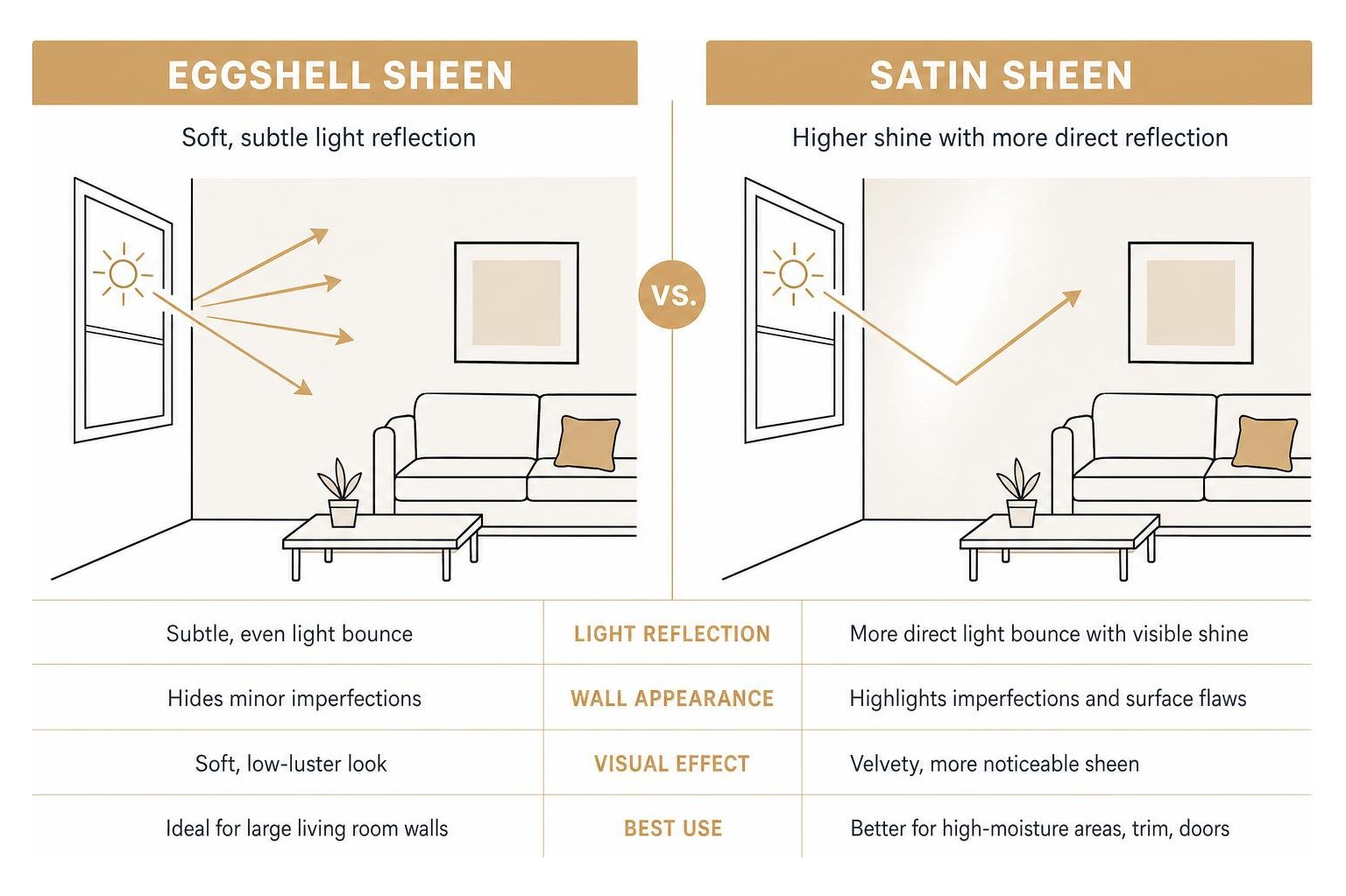
- Satin Finish: Delivers a noticeably velvety luster with a higher degree of shine. It offers superior moisture resistance and scrubbability, making it the preferred choice for bathrooms, kitchens, trim, baseboards, and interior doors. However, on broad living room walls, satin’s higher gloss can draw attention to minor drywall imperfections and create unwanted glare under direct lighting.
- Eggshell Finish: Provides a softer, lower-luster appearance that complements large living room wall expanses. It provides sufficient washability for everyday family life while keeping wall surfaces looking smooth, rich, and glare-free.
Concealing Wall Imperfections and Flaws
If your living room has older drywall, settling cracks, plaster patches, or uneven textures, paint sheen plays a key role in how visible those flaws will be. High-gloss and satin finishes act like spotlights on surface defects because light bounces directly off raised edges and patches.
Eggshell paint offers an advantageous sweet spot. Because its luster remains low, it absorbs enough ambient light to disguise subtle drywall bumps, nail pops, and minor patch work far better than satin. Simultaneously, it delivers the wipeability and long-term durability that flat paint lacks.
Best Practices for Applying Eggshell Paint
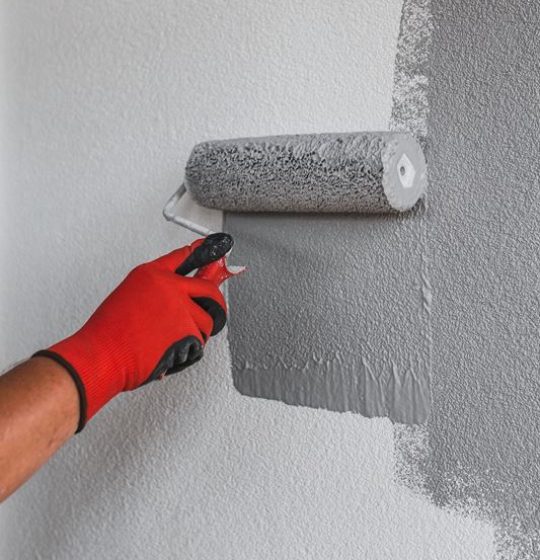
Achieving a flawless, brush-mark-free finish with eggshell paint requires proper surface preparation and proven application techniques. Because eggshell paint contains a small degree of shine, improper rolling or uneven film thickness can result in noticeable “flashing” (areas with uneven sheen).
For step-by-step professional advice on execution, read The Ultimate Guide to House Painting Tips and Tricks for a Perfect Finish.
Surface Preparation, Priming, and Sanding
A durable paint finish depends entirely on the quality of the surface preparation beneath it. Before opening a paint can, follow these professional prep steps:
- Clean the Walls: Dust, cobwebs, and grease prevent proper paint adhesion. Wipe down living room walls using warm water and a light cleaning solution, then allow them to dry completely.
- Repair Imperfections: Patch nail holes, stress cracks, and dents with quality spackling compound. Once dry, sand the patches smooth using 120-grit to 220-grit sandpaper.
- Scuff Sand Glossy Surfaces: If you are applying eggshell over an existing semi-gloss or satin sheen, light scuff sanding with fine-grit sandpaper creates microscopic grooves for the new paint coat to grip onto.
- Spot-Prime Patches: Bare spackle or repaired drywall is highly porous. Apply a coat of quality primer to all patched areas to prevent “flashing,” where the patch absorbs paint sheen unevenly.
Rolling Techniques and Achieving Uniform Coverage
When applying premium formulas like Ben® Interior Paint – Eggshell | Benjamin Moore or Regal® Select Waterborne Interior Paint – Eggshell, correct tool selection and rolling techniques make all the difference:
- Select the Right Roller Nap: Use a high-quality 3/8-inch to 1/2-inch synthetic woven roller cover. This nap size holds an optimal amount of paint and lays down a smooth, uniform texture on smooth-to-lightly-textured drywall.
- Maintain a Wet Edge: Roll from ceiling to floor in continuous “W” or “N” patterns, overlapping each pass into the previous wet section. Never roll back over paint that has already begun to tack up or dry, as this disrupts the sheen formation.
- Observe Proper Dry Times: Most modern acrylic waterborne eggshell paints dry to the touch in 1 hour and can be recoated after 2 hours under normal indoor conditions (around 70°F and 50% relative humidity).
- Apply Two Full Coats: While high-quality paint-and-primer formulas provide excellent coverage, applying two full coats ensures uniform film thickness, true color representation, and an even sheen level across the room.
- Allow Full Cure Time: While eggshell paint dries quickly, full cure strength takes up to 14 to 28 days. Avoid heavy wall cleaning or scrubbing during this initial cure window.
Frequently Asked Questions About Living Room Paint Finishes
Can eggshell paint be used on ceilings or trim?
While eggshell paint can technically be applied to ceilings and trim, it is rarely the optimal choice for those specific surfaces:
- Ceilings: Flat paint is almost universally recommended for ceilings. Ceilings catch light at sharp angles, and any sheen level—even low-gloss eggshell—can highlight drywall seams, shadow lines, and structural imperfections overhead.
- Trim and Doors: High-touch architectural features like baseboards, door frames, window sills, and crown molding benefit from the higher impact resistance and scrubbability of semi-gloss or satin finishes. However, if you prefer an understated, uniform look throughout your room, using an acrylic eggshell enamel on trim is acceptable, provided the wood is thoroughly primed and prepped.
Is eggshell paint difficult to touch up if damaged?
Touching up eggshell paint requires a bit more care than touching up flat paint, but it is straightforward when done correctly:
- Understanding Flashing: Flat paint can be touched up anywhere without showing brush marks because it reflects no light. With eggshell paint, dabbed-on spots can create subtle differences in sheen level (“flashing”) under direct light.
- Best Touch-Up Technique: To touch up an eggshell wall successfully, use original paint from the initial application, feather the edges outward using a small roller or foam brush, and avoid leaving thick edges. For larger wall repairs, painting the entire wall section from corner to corner ensures a seamless, uniform sheen.
Conclusion
Selecting the right paint finish transforms the atmosphere and durability of your living space. Eggshell paint for living room walls delivers an ideal combination of soft visual warmth, rich color depth, and low-maintenance scrubbability. By reflecting light gently without harsh glare, it elevates your home decor while standing up smoothly to everyday life.
Achieving a truly flawless, lap-mark-free finish requires careful surface prep, expert rolling techniques, and attention to detail. At T&Z Interior And Exterior Painting, our experienced teams bring over 15 years of professional experience to every home painting project. As a fully licensed and insured painting contractor with a 5.0 Google Reviews rating, we take pride in delivering exceptional craftsmanship, using top-brand materials, and maintaining clean, respectful job sites across Lombard, Itasca, Addison, Glen Ellyn, Oak Brook, and nearby communities.
If you are ready to update your living room with beautiful, long-lasting wall finishes, contact T&Z Interior And Exterior Painting today to schedule your consultation. Explore our comprehensive Interior Painting Services to see how our expert painters can bring your vision to life!