
Strategic Color Palettes for Exterior Painting Compact Houses
Selecting the ideal color palette is the foundation of successful exterior painting compact houses. Unlike larger suburban estates where sprawling siding can absorb multiple color shifts, small homes require a streamlined approach. Every square foot of siding is immediately noticeable, making color harmony essential for creating a grand presence on a modest lot.
To make a compact home feel expansive, pay close attention to Light Reflectance Value (LRV). LRV measures the percentage of light a paint shade reflects on a scale from 0 (absolute black) to 100 (pure white). For small home exteriors, body shades with an LRV between 55 and 75 reflect natural sunlight effectively without washing out under direct midday sun.
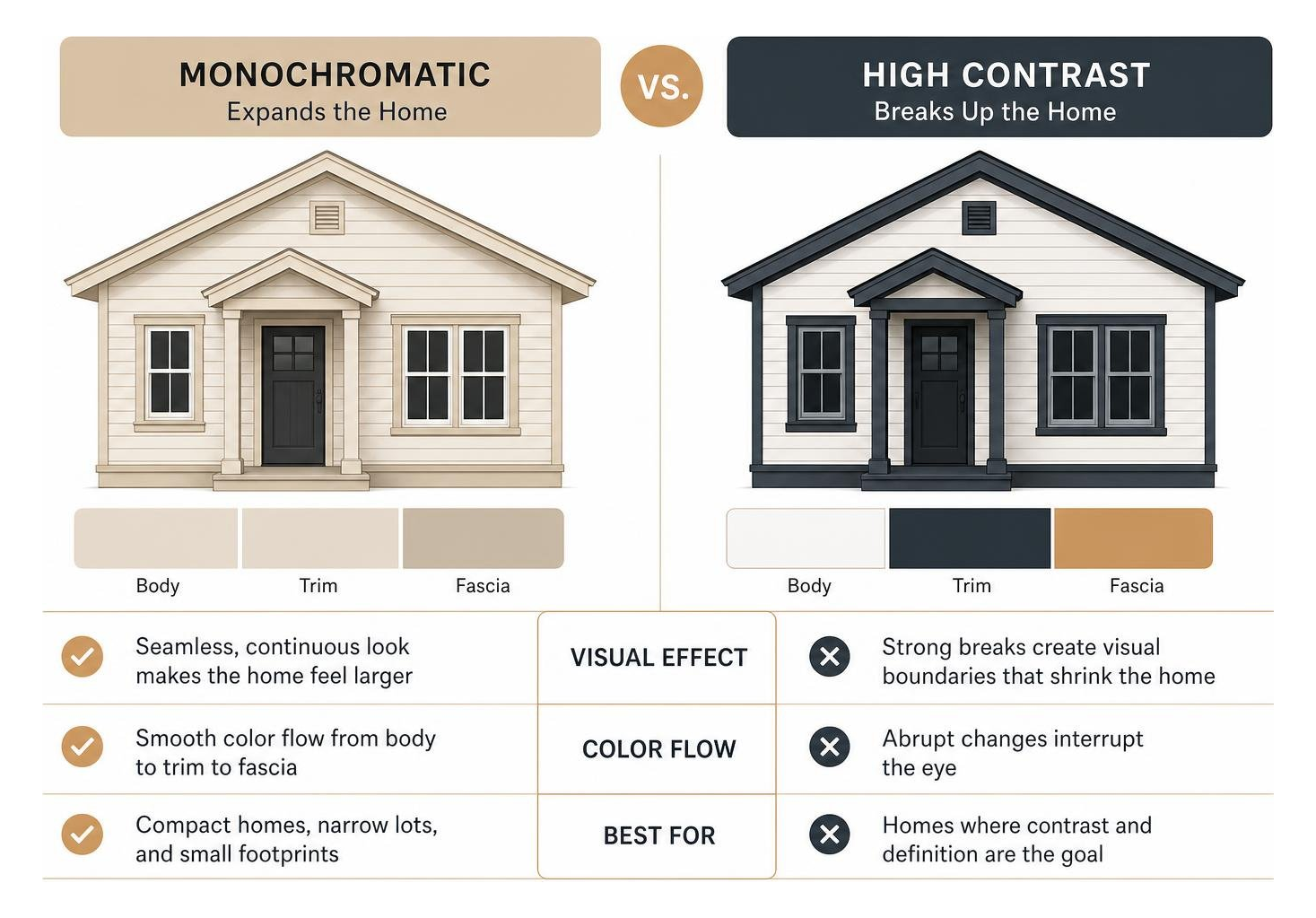
Opting for light, warm neutrals—such as soft off-whites, creamy greiges, or gentle moss greens—allows light to bounce across the facade, visually pushing the exterior walls outward. Monochromatic schemes are particularly effective on compact properties. By picking a single base color and varying its tint slightly across the body, trim, and fascia, you eliminate sharp visual breaks. This seamless transition tricks the eye into perceiving a taller, wider structure.
When selecting body and accent colors, our team often guides homeowners toward timeless options. You can explore creative ideas in our article on cute cottage vibes and the best exterior paint colors for small homes. Popular shades like Sherwin-Williams Alabaster, Benjamin Moore White Dove, and soft sage tones instantly uplift small footprints while blending naturally into local Chicagoland neighborhoods.
Color Illusions in Exterior Painting Compact Houses
Strategic paint placement can visually reshape a home’s proportions. Optical illusions are a powerful tool when approaching exterior painting compact houses. By adjusting light and dark tones across different sections of your siding, you can correct visual imbalances and make a squat structure look taller or wider.
For instance, applying a slightly darker, grounding shade to the foundational base or lower floor—while keeping upper siding levels light—creates an illusion of increased height. The lower section acts as an anchor, drawing the eye upward toward the lighter upper story and roofline.
Alternatively, if you want your home to look wider from the street, use continuous body shading across the entire front facade. Avoid splitting a small front elevation into multiple competing body colors, as vertical or horizontal color splits chop up the building and make it look smaller. To learn more about how light reflectivity alters perception in small living spaces, check out this guide on Tiny House Color Selection: How the Right Paint Makes 350 Sq Ft Feel Spacious.
Architectural Highlights and Trim Work
Even a small home possesses unique architectural features—such as window casings, gables, brackets, or porch columns—that deserve to shine. The key is balancing these details without cluttering the overall presentation. A proven guideline for exterior design is the classic 60-30-10 rule:
- 60% Main Body: The dominant color applied to siding, stucco, or brick.
- 30% Secondary Trim: Used for window frames, soffits, fascia, corner boards, and railings.
- 10% Accent Color: Reserved for focal points like the front door, window boxes, or accent shutters.
High-contrast trim work adds crisp definition to small homes. Pairing light body siding with charcoal, deep navy, or dark olive trim draws attention to window framing and gables. Painting window frames and brackets in a contrasting tone emphasizes the craftsmanship of a compact bungalow or Craftsman cottage. For recommendations on durable finishes that withstand midwestern seasonal shifts, explore our guide on top-rated exterior paints for your homes trim.
High-Performance Finishes and Surface Materials for Compact Exteriors
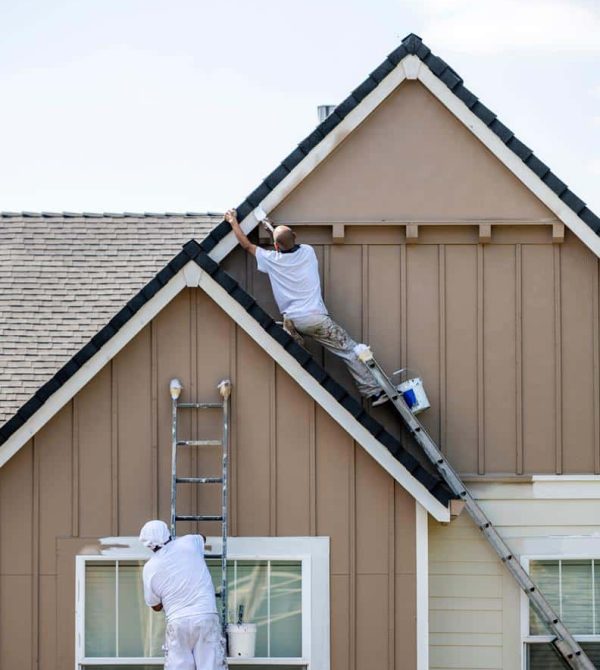
Choosing the correct paint formulation and sheen is just as important as selecting the right shade. The exterior finish must withstand rain, freeze-thaw cycles, and intense summer sun while maintaining its fresh appearance over time.
For siding on small homes, low-luster sheens like satin or eggshell are ideal. Flat finishes tend to absorb dirt and moisture, while high-gloss sheens highlight every minor dent, seam, or wood imperfection. Satin finishes provide a gentle sheen that repels water and dust while softening visual surface flaws.
In terms of paint chemistry, 100% acrylic latex paints offer exceptional flexibility, color retention, and resistance to blistering. For homes exposed to intense weather or structural shifting, elastomeric coatings provide a thick, flexible membrane that bridges minor hair-line cracks and prevents moisture intrusion.
Substrate Considerations in Exterior Painting Compact Houses
Compact homes in the Chicagoland area feature a wide range of exterior siding materials, each requiring specialized preparation and coating strategies:
- Aluminum and Vinyl Siding: Aluminum expands and contracts significantly during thermal changes. Applying high-adhesion 100% acrylic latex paint ensures the coating flexes without cracking or peeling.
- Exterior Stucco: Stucco requires breathable masonry primers and elastomeric or specialized flat/satin masonry coatings to lock out rain while allowing trapped internal moisture vapor to escape. Read more in our detailed resource on stucco painting exterior finishes.
- Brick and Masonry: Limewash or specialized mineral paint creates an authentic, earthy appearance that allows the natural brick texture to show through while protecting the substrate.
- Fiber Cement Panels: Pre-primed fiber cement boards provide a smooth surface, ideal for premium acrylic finishes that offer smooth coverage and long-lasting UV protection.
For an architectural perspective on selecting materials and colors for micro-footprints, review this expert guide on exterior paint colors for tiny houses.
Spraying vs. Brushing for Small Footprints
Achieving an even finish on a compact home depends on using the right application methods. Professional painters often combine airless sprayers with traditional hand brushing:
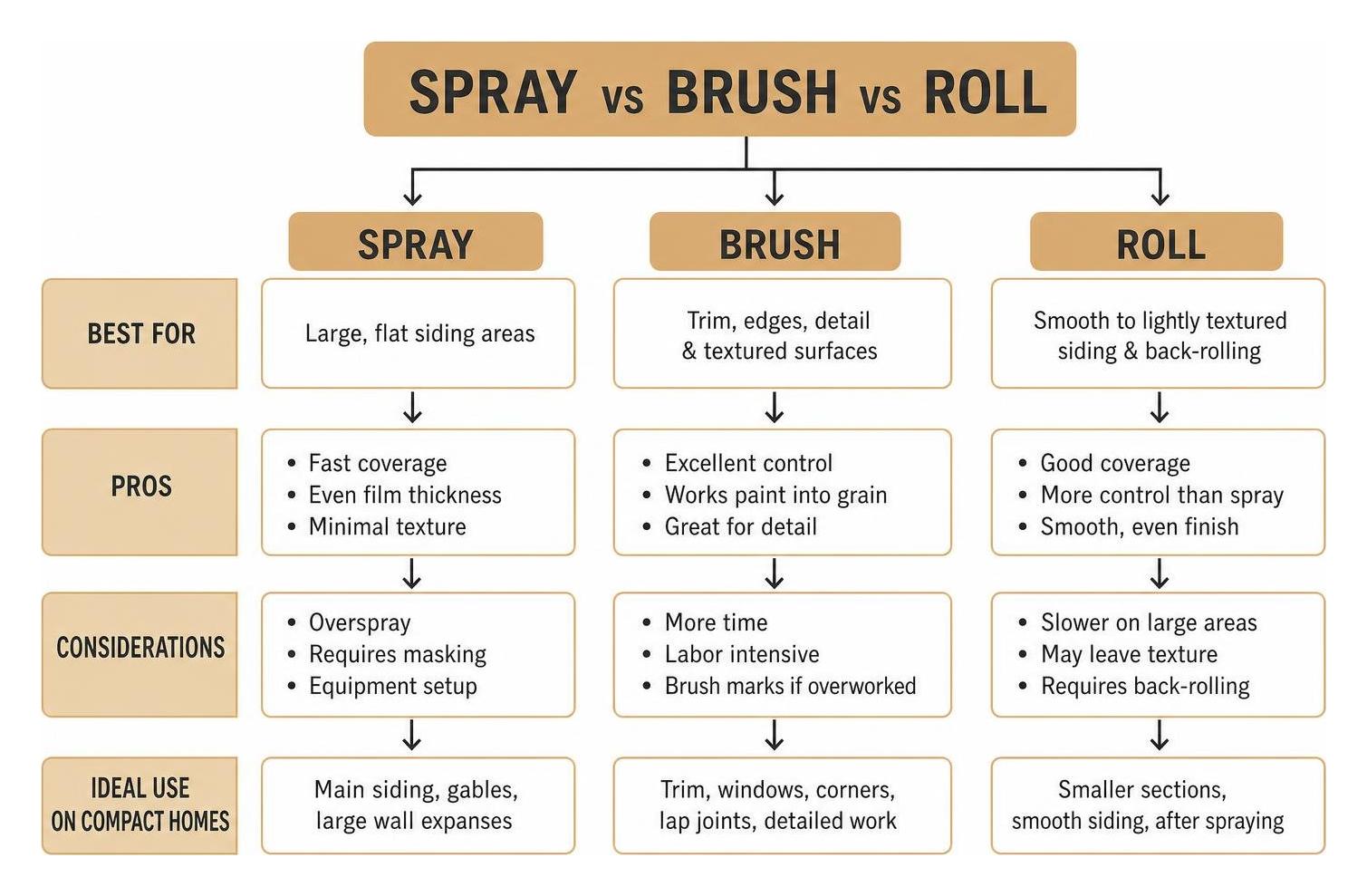
Airless sprayers are highly efficient for broad siding surfaces, delivering an even film thickness without roller stipple or brush marks. However, hand brushing and back-rolling are essential for pushing paint deep into textured wood grain, lap joints, and detailed trim work. For more insights on professional equipment usage, check out our guide on house exterior spray painting.
Defining Outdoor Spaces and Enhancing Curb Appeal

When working with a compact exterior, the outdoor living areas surrounding your home act as natural extensions of the house itself. Paint can visually anchor these zones, turning a modest front porch or side yard into an inviting entryway.
Creating dedicated focal points directs traffic and establishes immediate curb appeal. Your front door is the primary focal point of the home. Painting it in a rich accent color—such as ruby red, deep teal, sunny yellow, or classic black—draws the eye directly toward the entrance, making the entire home feel open and welcoming.
Zoning Outdoor Living Areas
Beyond the front door, strategic paint application helps define secondary architectural elements across the lot:
- Porch Framing and Columns: Painting porch ceilings in a classic sky blue or soft greige creates depth, making small covered entries feel airier.
- Natural Cedar and Wood Accents: Staining porticos, cedar headers, or gables introduces natural warmth that contrasts beautifully with painted body siding.
- Concrete Steps and Walkways: Coating tired concrete steps with specialized exterior floor paints revitalizes the path to your front door. Discover practical tips in our article on paint for concrete steps outside.
Frequently Asked Questions About Compact Exterior Painting
How can paint colors make a compact house appear larger?
Light colors with high Light Reflectance Values (LRV between 55 and 75) reflect natural sunlight, causing exterior walls to visually recede and appear larger. Using a monochromatic palette where siding, corner trim, and window casings feature subtle variations of the same shade eliminates visual clutter, creating an uncluttered look that enlarges the home’s profile.
What is the best paint finish for small house siding?
A satin finish is generally the best choice for small home siding. It offers a subtle sheen that reflects light without emphasizing surface imperfections. Satin finishes are durable, resist dirt buildup, and are easy to wash down with a hose, making them ideal for high-contact compact exteriors.
How do dark accents work on smaller home exteriors?
Dark accents add contrast and depth when used thoughtfully. Painting roof eaves, soffits, window sash frames, or the front door in deep shades—like black, iron gray, or navy—frames the lighter main body siding. This contrast highlights crisp lines and architectural details, preventing a light-colored home from looking washed out.
Transforming Your Home with Professional Exterior Painting
At T&Z Interior And Exterior Painting, we know that exterior painting compact houses requires precise craftsmanship, thorough surface preparation, and an eye for design details. With over 15 years of experience serving homeowners across Lombard, Elmhurst, Downers Grove, Wheaton, and the greater Chicagoland area, our licensed and insured team brings craft-level dedication to every job.
From complete power washing and scraping to caulking, priming, and applying top-tier brand paints like Sherwin-Williams and Benjamin Moore, we ensure your investment provides lasting protection and curb appeal. Tackling unique structural constraints requires professional skill; learn more by reading about small house painting challenges.
Ready to give your compact home the stunning makeover it deserves? Contact T&Z Interior And Exterior Painting today to schedule your consultation and see how professional painting transforms your property.