
How to Choose House Painting Colors Outside
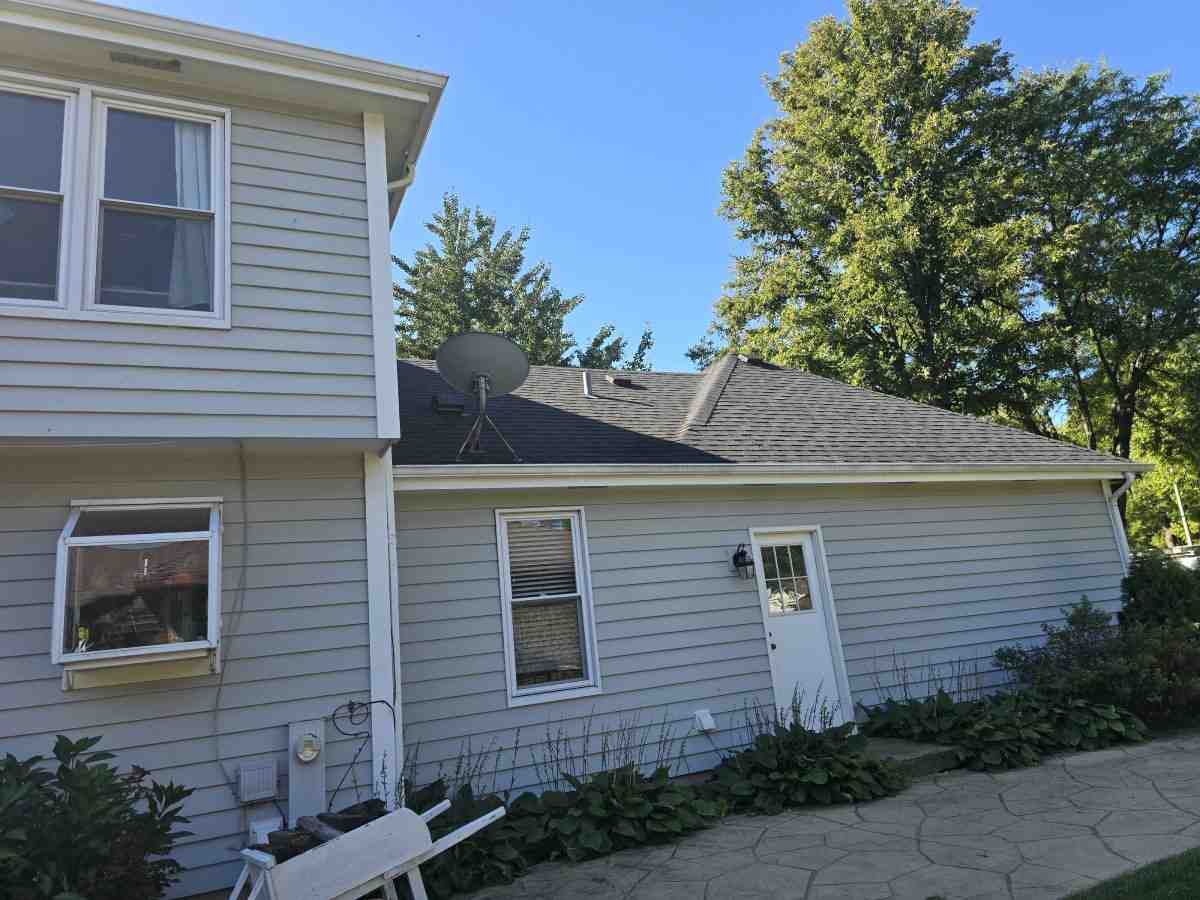
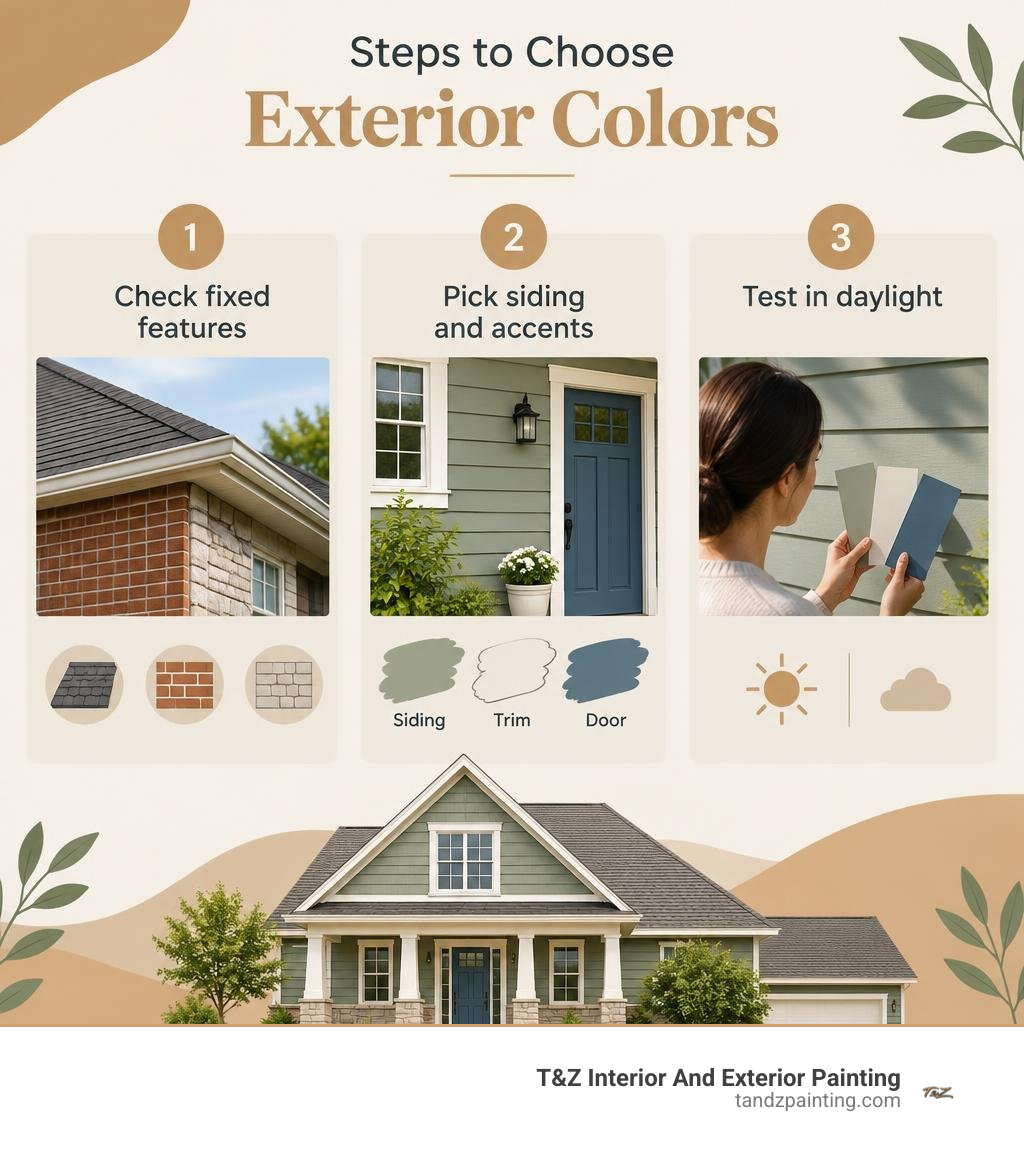
Choosing house painting colors outside starts with what will stay: your roof, brick, and stone. Pick a siding color that works with those features, a trim color that gives the house shape, and a door color for a small accent. Warm off-white, sage green, and muted blue are good starting points. Test large samples in sun and shade before you commit.
I’m Tomasz Niemotko, founder of T&Z Interior And Exterior Painting, a licensed and insured painting contractor based at 1101 S Columbine Ave, Lombard, IL 60148. Founded in 2009, our team has over 15 years of experience helping homeowners choose house painting colors outside through color consultation and exterior painting.
Basic house painting colors outside terms:
- exterior paint colors for small cottage
- exterior painting compact houses
- exterior accents small houses
Popular House Painting Colors Outside and Timeless Palettes
Selecting the right exterior paint palette can completely reshape how your home fits into its neighborhood. While stark white and cold gray dominated residential facades for years, homeowners are shifting toward warmer, character-rich tones that connect with the natural landscape. Homeowners typically use three to four colors to build a balanced exterior color scheme: a primary body hue, a secondary trim shade, and one or two intentional accents.
When curating your scheme, explore proven outside house painting color combinations to see how different values interact on siding, eaves, and architectural trim.
| Color Palette Family | Mood & Aesthetic | Siding Shade | Trim Shade | Front Door Accent |
|---|---|---|---|---|
| Warm Heritage Neutral | Classic, inviting, timeless | Warm Off-White | Crisp Bright White | Deep Charcoal or Black |
| Earthy Foliage | Organic, grounded, calming | Soft Sage Green | Warm Cream | Natural Wood Stain or Bronze |
| Coastal Slate | Fresh, breezy, structured | Muted Blue-Gray | Pure White | Navy Blue or Pale Yellow |
| Modern Monochrome | Bold, architectural, sleek | Deep Charcoal | Light Gray | Rich Crimson or Jet Black |
| Modern Greige | Balanced, versatile, soft | Warm Greige | Soft White | Classic Dark Forest Green |
Crisp Whites and Warm Off-Whites
White remains a foundational exterior choice, but modern palettes favor warm off-whites over sterile, stark tones. Classic selections like Alabaster or White Dove OC-17 soften harsh sunlight, preventing glare while highlighting architectural trim, eaves, and porch columns.
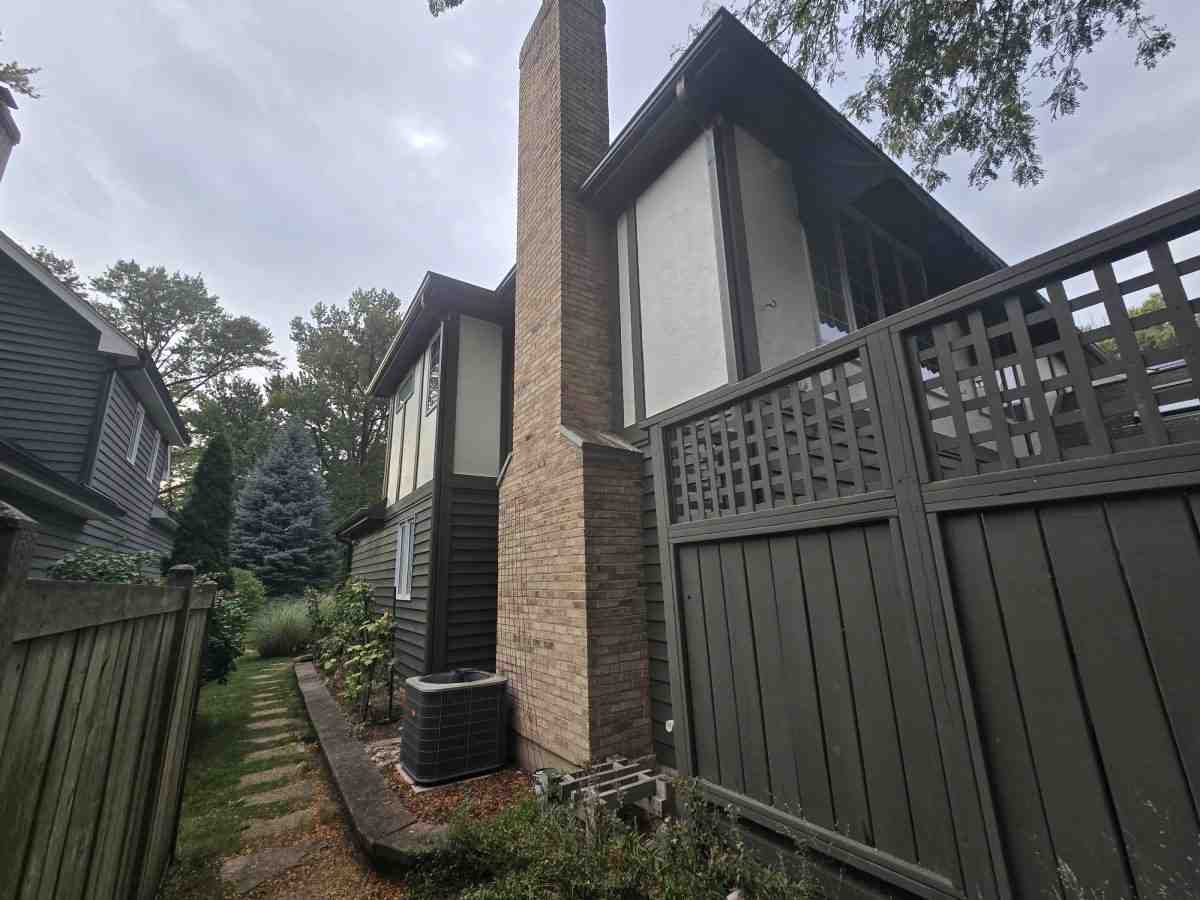
Off-whites carry a high light reflectance value, which helps visually expand smaller homes and brightens facades shaded by mature trees.
Earthy Greens, Muted Blues, and Grounded Neutrals
Nature-inspired tones have become modern staples for homes nestled among lawns and woodlands. Muted sage greens, warm beiges, and soft blue-grays harmonize naturally with stone steps and garden beds.
Homeowners wanting a calm, organic facade can look toward nature-inspired exterior paint colors that mirror surrounding greenery, sky, and regional timber.
Dark, Dramatic Hues and Bold Accents
Deep navy, rich charcoal, and dark graphite have transformed from a niche trend into an enduring exterior design choice. When paired with bright white or warm wood fascia, deep body colors provide clean contrast that makes window frames and rooflines stand out cleanly. These deeper tones work well on modern architecture and transitional homes, grounding the facade without appearing unapproachable.
How to Apply the 60-30-10 Rule to Your Exterior Palette
To keep three or four paint shades from competing, professional designers rely on the 60-30-10 proportion rule. This framework distributes your exterior color palette across the structural elements of your house to maintain visual balance.
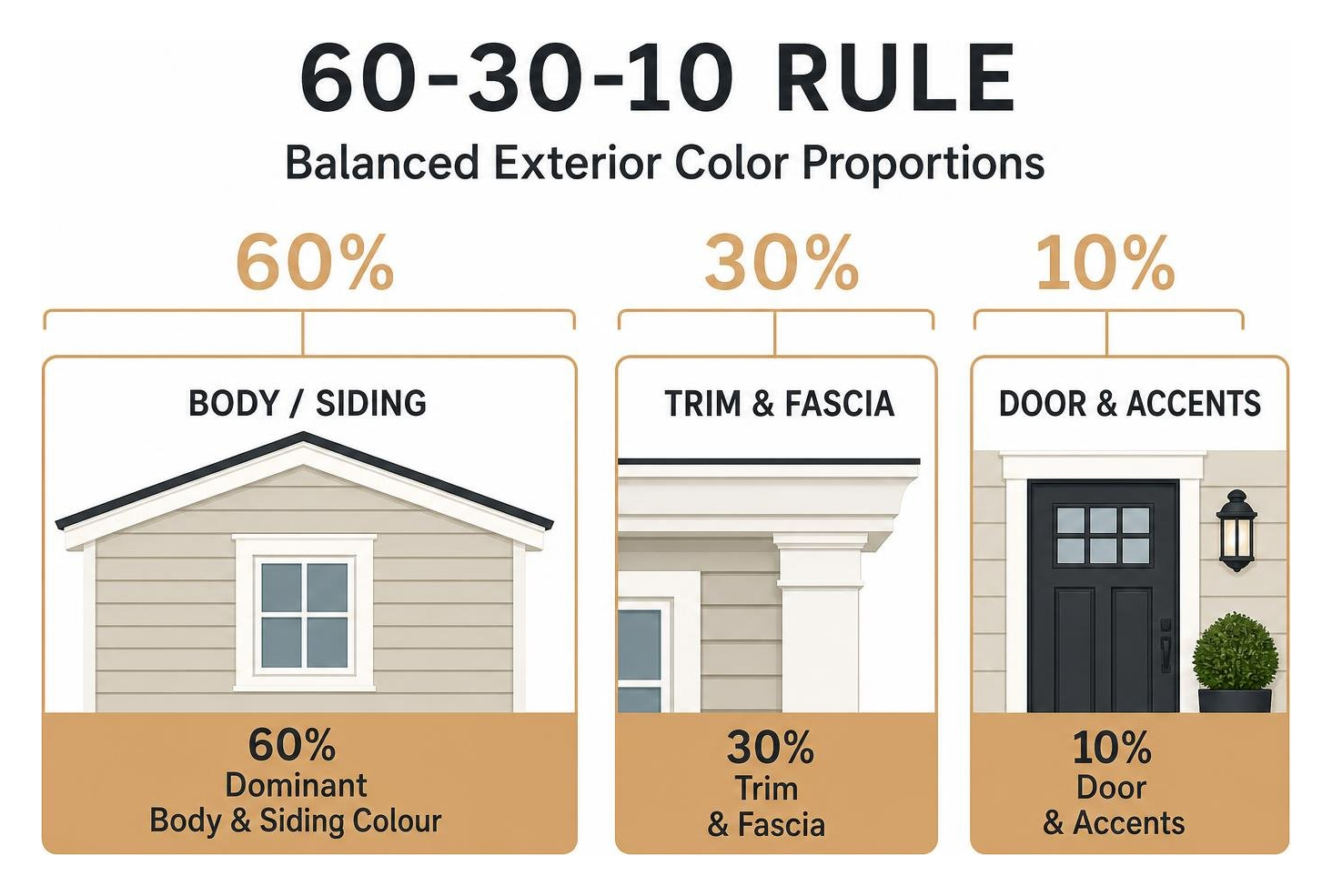
Consulting a structured color guide from a paint manufacturer can help you visualize how these color ratios work across varied home surfaces.
Sixty Percent Dominant Body and Siding Color
The dominant 60% of your palette covers the main siding, whether you have vinyl, cedar lap, stucco, or painted masonry. Because this shade blankets the largest surface area, it anchors your home’s exterior identity.
For detailed prep, material handling, and surface tips, read our comprehensive house outer wall paint guide before starting your project.
Thirty Percent Secondary Trim and Fascia
The secondary 30% includes your window casings, fascia boards, soffits, corner boards, baseboards, and garage doors. This color provides structural framing and sharp definition. Using a lighter or darker neutral from the same color family as your siding ensures clean, readable lines from the curb.
Ten Percent Accent Hues for Doors and Shutters
The final 10% is dedicated to accent features, such as your front door, window shutters, or decorative entryway details. A dark black door remains one of the most popular front door choices, though deep green, navy, and rich red offer classic personality.
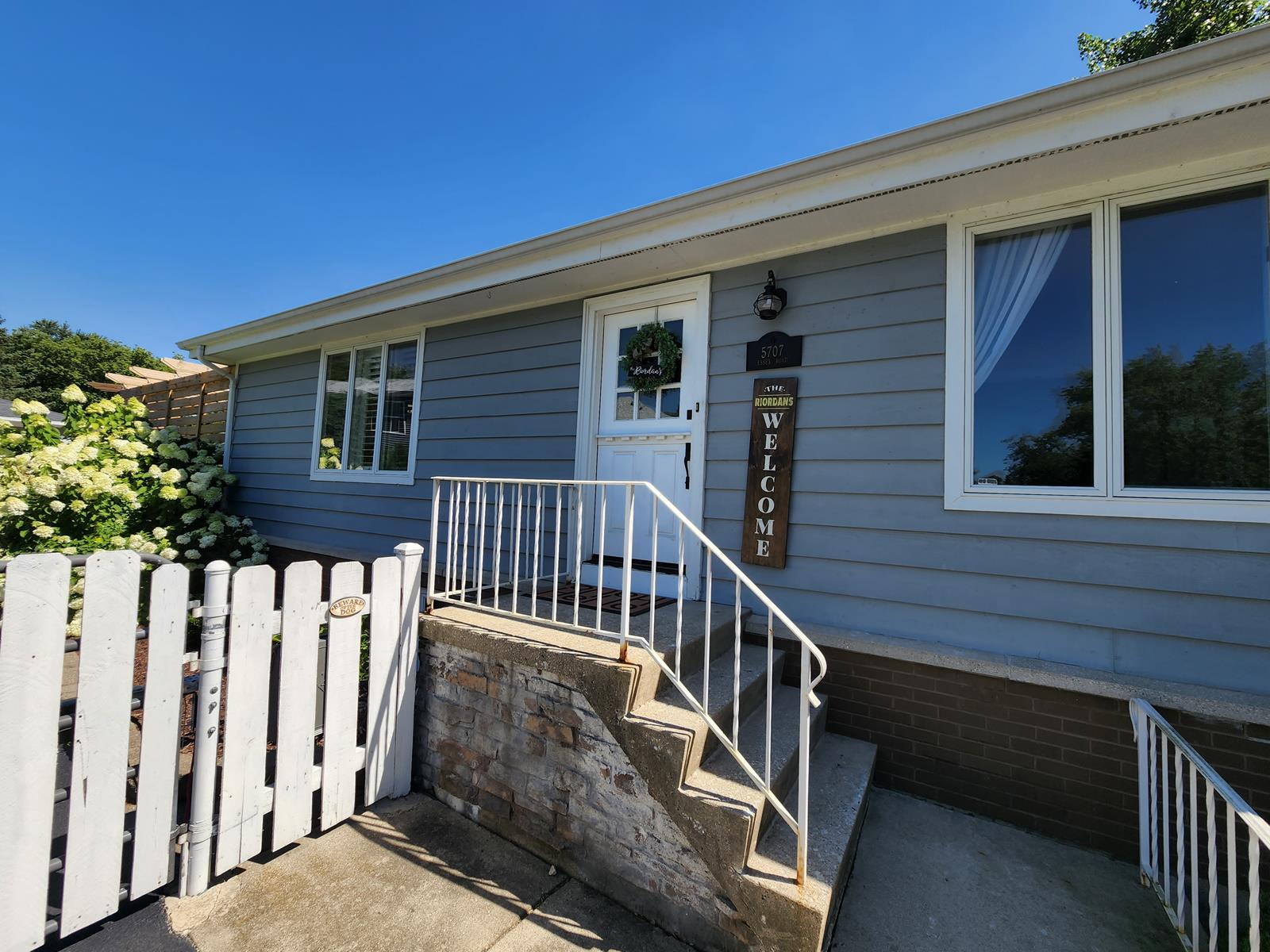
This focal area draws the eye directly toward the entrance, giving visitors a warm, intentional welcome.
Matching Paint Palettes to Architectural Styles and Fixed Features
A paint scheme should work with your home’s architecture, not fight it. Historical and regional home styles carry architectural cues that call for specific color relationships.
Choosing House Painting Colors Outside for Distinct Architectural Styles
- Modern Farmhouse: Crisp warm whites on vertical board-and-batten siding paired with black or charcoal window sashes and natural wood porch headers.
- Traditional Colonial: Balanced off-whites, soft grays, or classic blues with bright white trim and black or dark green raised-panel shutters.
- Craftsman Bungalows: Earthy olive greens, deep taupes, and warm browns that accentuate wide overhanging eaves, exposed rafter tails, and tapered stone porch columns.
- Compact Cottages: Soft pastels, light greiges, or airy blues that make smaller structures feel welcoming without overwhelming their modest footprints.
Homeowners managing smaller footprints can review the best exterior paint colors for small homes to choose tones that visually expand exterior walls.
Coordinating Fixed Features: Brick, Stone, and Roofing
Your roof shingles, brick chimneys, and stone foundations are fixed features that will not be painted. Always evaluate their undertones before finalizing your paint colors:
- Red or Orange Brick: Pairs well with warm earth tones, sage greens, and creamy off-whites. Avoid cool, icy grays that clash with the warmth of the clay.
- Tan, Buff, or Sandstone: Complements warm greiges, soft taupes, and deep bronze accents.
- Gray Slate or Dark Roofing: Supports a broad spectrum of neutral siding, from cool slate blues to crisp whites and dark charcoals.
Testing Swatches, Lighting Exposure, and Sheen Selection
Color cards look much darker inside a store than they do on an exterior wall. Direct outdoor sunlight washes out pigment, making most shades appear one to two shades lighter on your siding.
Homeowners looking for proven paint pairings can explore 14 Exterior House Colors & Inspiration to see how manufacturer palettes respond to real daylight.
Testing House Painting Colors Outside Across Changing Daylight Conditions
Paint large test boards or apply test patches on multiple sides of your home. A south-facing wall receives warm, intense sunlight throughout the day that warms up undertones, while a north-facing wall receives cooler, indirect light that brings out gray and blue casts.
If you are unsure how changing daylight will impact your home, our color consultation and palette selection team can help you evaluate sample swatches from the street across morning, afternoon, and evening light.
Selecting the Right Sheen for Siding, Trim, and Doors
Choosing the proper sheen protects your exterior substrates from UV exposure and moisture while highlighting architectural details:
- Flat/Matte: Ideal for hiding minor surface flaws on older wood siding or textured stucco, though it is less washable than glossier options.
- Low Lustre / Satin: The most popular sheen for exterior siding and trim. It provides a soft, rich finish that sheds rain, resists dirt pickup, and cleans easily.
- Semi-Gloss: Best suited for window sills, door frames, and architectural trim where you want sharp definition and extra moisture resistance.
- High-Gloss: Reserved for front doors and decorative metal accents to create a durable, wipe-clean focal point.
Frequently Asked Questions About House Painting Colors Outside
What is the most popular exterior house paint color in 2026?
Warm off-white shades (such as Alabaster and White Dove), versatile greiges, and nature-inspired soft greens continue to lead exterior paint choices. These shades provide lasting curb appeal while blending smoothly with surrounding landscaping and neighborhood styles.
Should shutters and window trim always match the front door?
Shutters and window trim do not need to match your front door. Matching your shutters to your trim creates clean, unified window framing, allowing your front door to stand out in a distinct 10% accent color. Alternatively, painting shutters a darker shade than the siding adds depth while keeping the entryway as the main focal point.
How do exterior paint colors affect a home’s perceived size?
Light, airy colors reflect light and make small home exteriors appear larger from the street. Dark siding colors absorb light, visually grounding the structure and creating a sleeker, more compact silhouette.
Conclusion
A well-planned exterior paint job protects your home’s siding from seasonal weather while significantly boosting curb appeal. From balancing undertones with the 60-30-10 rule to testing large swatches against natural stone, choosing your palette carefully ensures results you will enjoy for years.
When you are ready to update your siding, brick, or trim, our professional exterior painting services ensure clean prep, thorough repairs, and long-lasting paint application. For an in-depth breakdown of exterior prep, scraping, and coating methods, read the ultimate guide to exterior painting. If you are tackling a tighter footprint or unique architectural details, explore our guide on small house painting challenges for additional design solutions.
At T&Z Interior And Exterior Painting, owner Tomasz Niemotko and our experienced team bring over 15 years of residential painting expertise to every project. We are a licensed and insured, BBB-accredited painting contractor based at 1101 S Columbine Ave in Lombard, IL, holding a 5.0 Google rating with 85+ reviews and backing our work with a dependable 2-year warranty. We proudly serve homeowners across Lombard, Glen Ellyn, Villa Park, Oak Brook, Oakbrook Terrace, Downers Grove, Wheaton, Elmhurst, Addison, Itasca, Roselle, Bloomingdale, Carol Stream, Wood Dale, Westmont, Bensenville, Berkeley, Hillside, Schiller Park, Glendale Heights, Schaumburg, and Chicago.
Ready to give your home a fresh look? Request a free estimate today at tandzpainting.com or call us directly at (224) 240-0054 to discuss your exterior project.